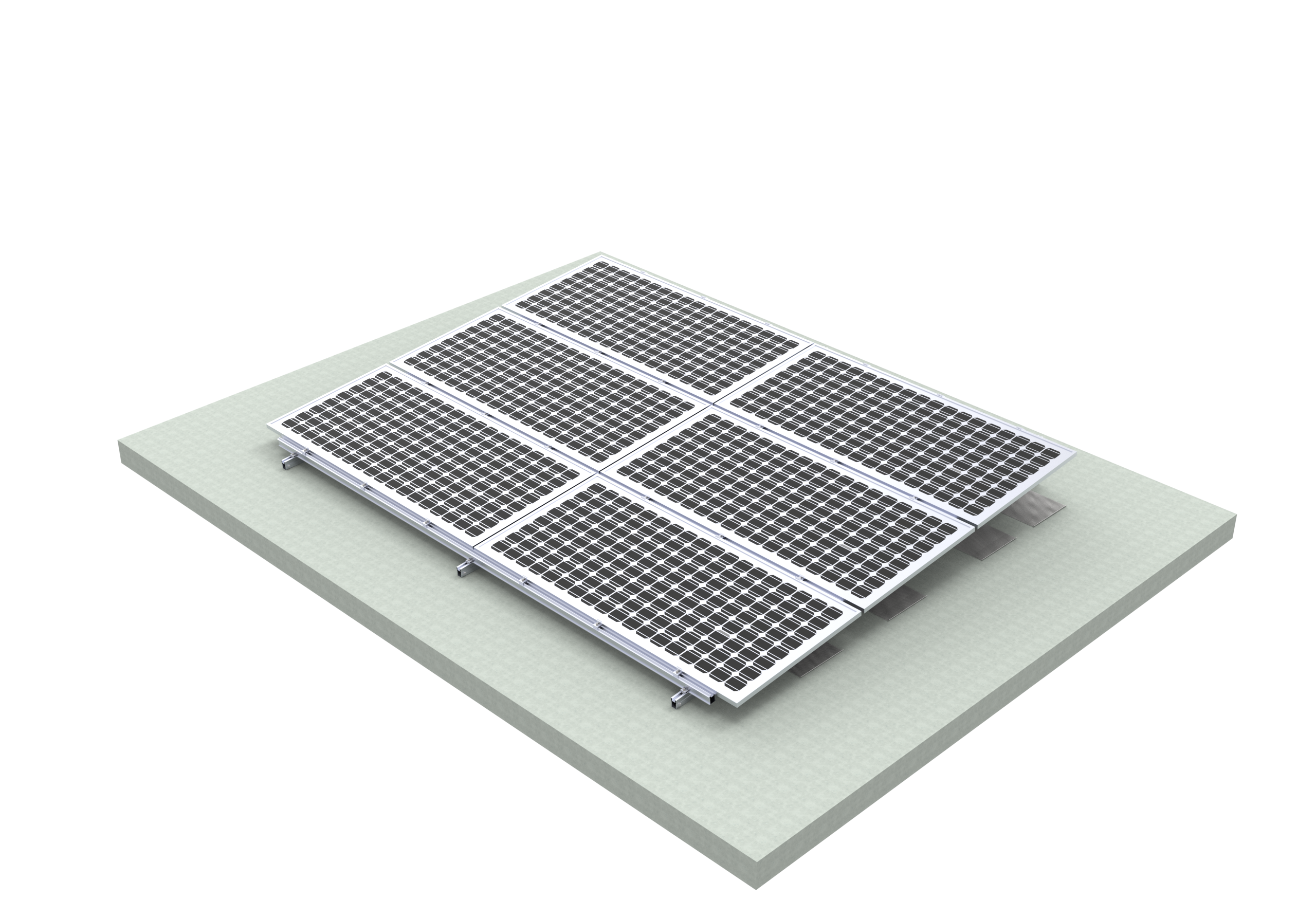
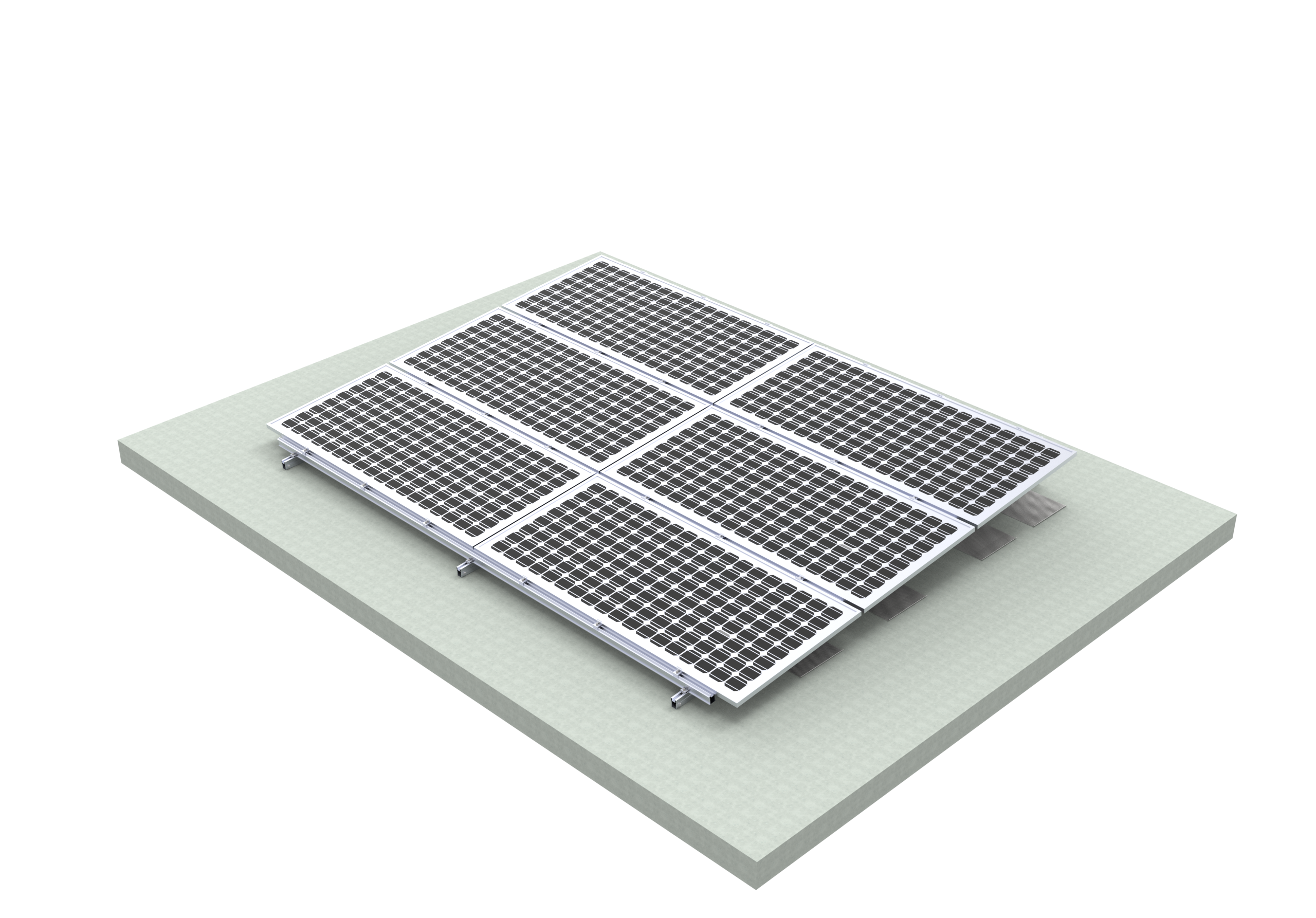
Flat roofs are becoming increasingly popular for residential, commercial, and industrial solar projects. However, unlike pitched roofs, flat roofs require specially designed support structures to achieve the ideal tilt angle for maximum energy generation.
A flat roof solar triangle mounting system is one of the most widely used solutions because it offers flexibility, stability, and cost-effective installation. Whether you’re installing a small rooftop PV system or a large commercial solar project, triangle brackets provide reliable support while improving solar panel efficiency.
This article explains everything you need to know about solar triangle mounting systems, including their structure, advantages, applications, and how to choose the right solution.
What Is a Solar Triangle Mounting System?
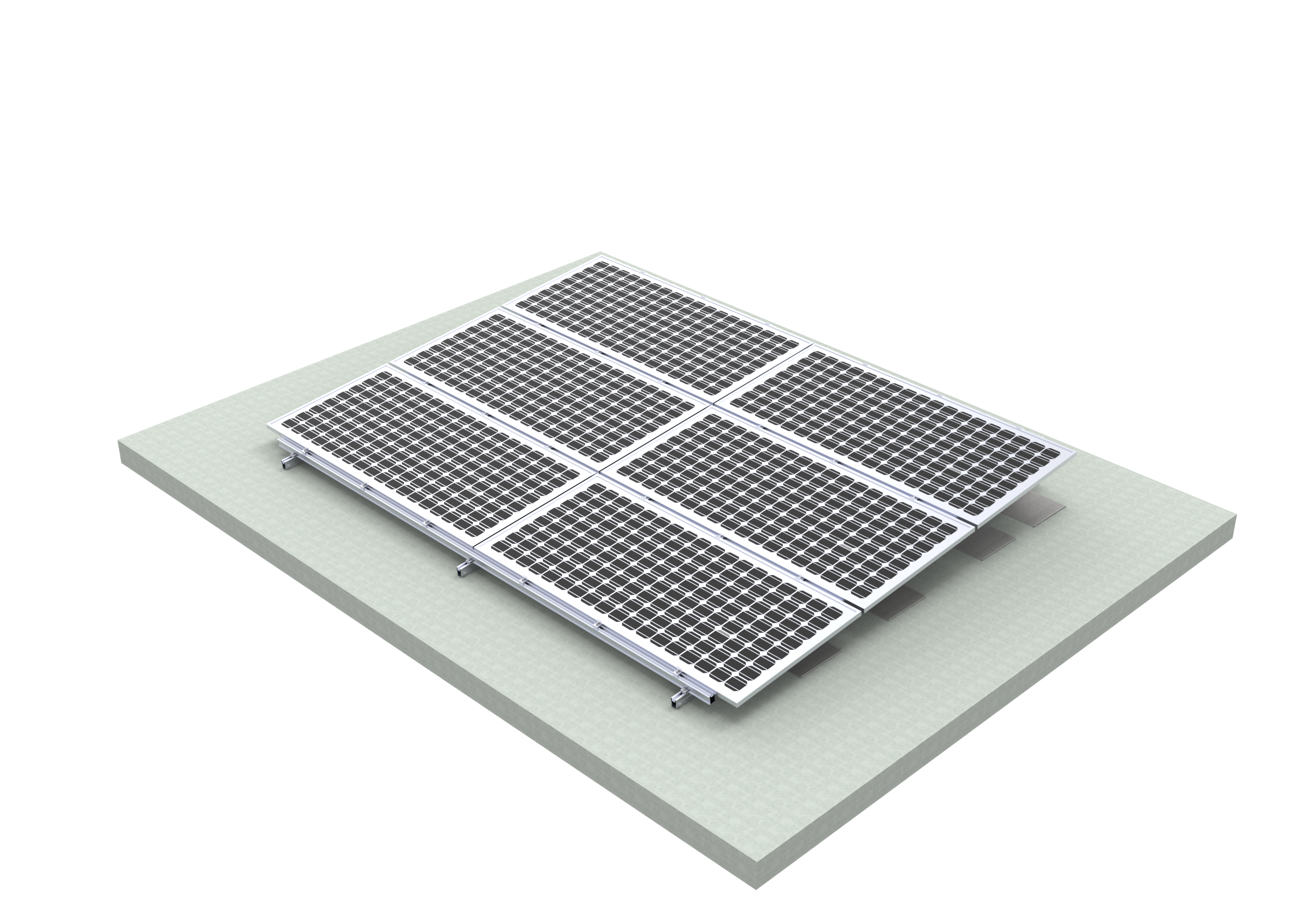
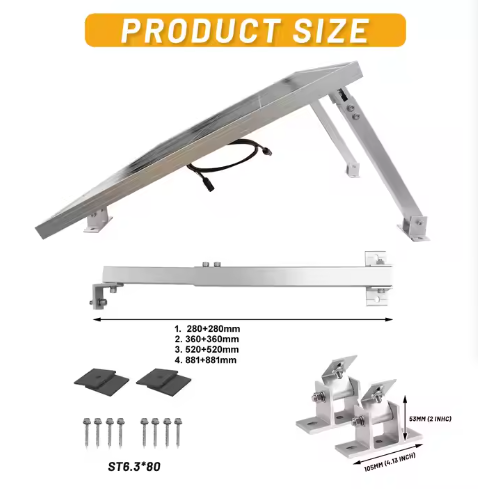
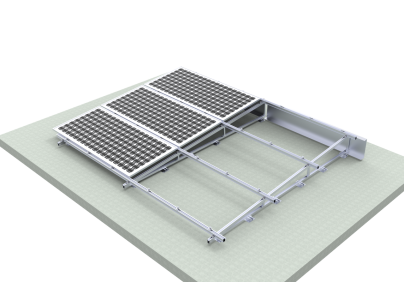
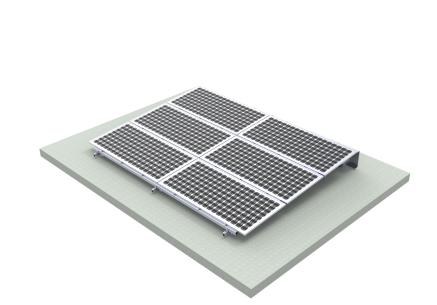
A solar triangle mounting system is a structural support solution designed specifically for flat roof photovoltaic installations. The triangular frame raises solar panels at a predetermined angle, allowing them to capture more sunlight throughout the day.
Compared with directly placing panels on a flat surface, triangle brackets significantly improve energy production by optimizing the panel inclination. The system is commonly manufactured from AL6005-T5 anodized aluminum or hot-dip galvanized steel, providing excellent corrosion resistance and structural strength.
Depending on project requirements, the triangle brackets can be installed using ballast blocks or mechanical roof anchors.
Why Choose Triangle Mounting Brackets for Flat Roofs?
Higher Energy Yield
Proper tilt angles allow solar modules to receive more direct sunlight, increasing annual electricity generation compared with horizontal installations.
Easy Installation
Triangle brackets are supplied as pre-engineered components, reducing installation time and labor costs.
Excellent Structural Stability
Designed to withstand local wind and snow loads, the mounting system ensures long-term operational safety.
Flexible Design
The system can accommodate various panel sizes, installation angles, and roof layouts.
Low Maintenance
High-quality aluminum and stainless-steel components provide excellent corrosion resistance with minimal maintenance throughout the system’s lifespan.
Common Types of Triangle Mounting Systems
Ballasted Triangle Mounting System
Instead of penetrating the roof membrane, this solution uses concrete ballast blocks to secure the structure.
Advantages include:
· No roof penetration
· Protects waterproof membranes
· Quick installation
· Easy future maintenance
Typical applications:
· Commercial buildings
· Shopping malls
· Warehouses
· Office buildings
Anchored Triangle Mounting System
Mechanical anchors fix the mounting structure directly to the roof.
Advantages include:
· Higher wind resistance
· Reduced ballast weight
· Suitable for high-wind regions
This option is commonly used where structural engineers permit roof penetration.
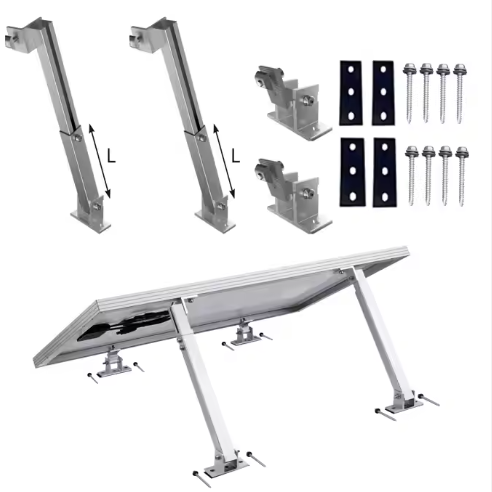
Adjustable Triangle Mounting System
Some projects require different installation angles based on latitude or seasonal optimization.
Adjustable triangle brackets provide greater flexibility while maintaining structural integrity.
Applications
Solar triangle mounting systems are suitable for numerous rooftop photovoltaic projects, including:
· Residential flat roofs
· Commercial office buildings
· Industrial factories
· Logistics warehouses
· Shopping centers
· Schools
· Hospitals
· Government buildings
Their modular design allows both small residential systems and multi-megawatt commercial installations.
Materials Used
Material quality directly affects system durability.
At Starwin Solar, our triangle mounting systems are manufactured using:
· AL6005-T5 anodized aluminum profiles
· SUS304 stainless steel fasteners
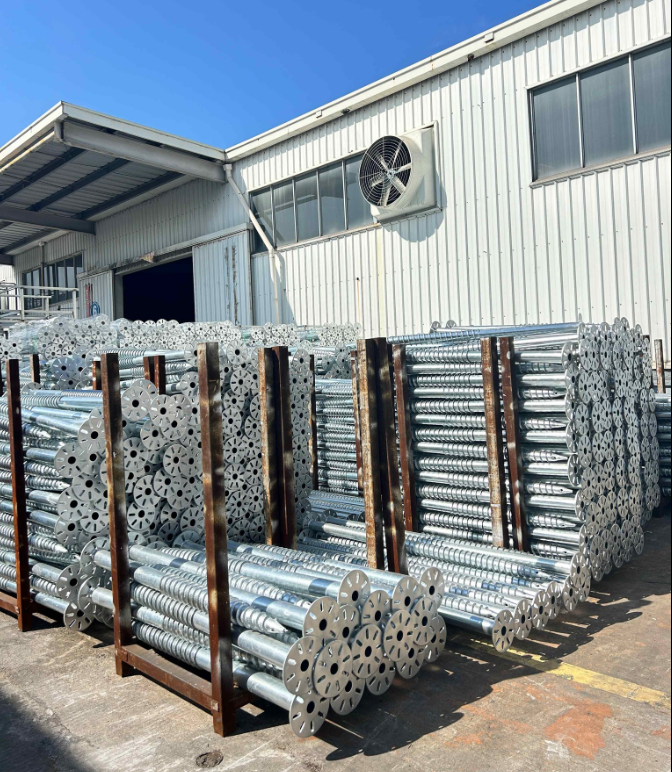
· Hot-dip galvanized steel components (available for heavy-duty projects)
These materials provide excellent resistance to corrosion, UV exposure, humidity, and harsh outdoor environments.
Important Design Considerations
Before selecting a roof triangle mounting system, several engineering factors should be evaluated:
Roof Structure
Concrete roofs, metal roofs, and membrane roofs require different installation methods.
Wind Load
Projects in coastal or hurricane-prone regions require reinforced structural calculations.
Snow Load
Heavy snow regions need stronger brackets and optimized support spacing.
Solar Module Size
Different module dimensions influence rail spacing and bracket configuration.
Roof Load Capacity
Engineers should verify that the roof can safely support the mounting structure and ballast if applicable.
Professional structural calculations ensure compliance with local building codes while maximizing system safety.
Why Choose Starwin Solar?
Starwin Solar specializes in manufacturing high-quality photovoltaic mounting structures for customers worldwide.
Our advantages include:
· Customized structural design
· Professional engineering support
· OEM & ODM manufacturing
· Factory-direct pricing
· Fast production lead time
· Strict quality inspection
· Global project experience
· Technical assistance throughout the project
Our engineering team can design customized mounting solutions based on your wind load, snow load, roof type, and solar module specifications.
Frequently Asked Questions
What tilt angle is recommended for flat roof solar panels?
The optimal tilt angle depends on your installation location, latitude, and project objectives. Most commercial systems typically use angles between 10° and 30°.
Can triangle mounting systems be installed without drilling?
Yes. Ballasted systems use concrete blocks instead of roof penetration, making them suitable for waterproof roofs.
Are aluminum triangle brackets durable?
Yes. High-quality anodized aluminum provides excellent corrosion resistance and can operate for more than 25 years with minimal maintenance.
Can the system support bifacial solar panels?
Absolutely. Triangle mounting systems are compatible with both monofacial and bifacial PV modules.
Conclusion
A flat roof solar triangle mounting system is one of the most reliable and efficient solutions for rooftop photovoltaic installations. It improves panel performance, simplifies installation, and offers outstanding long-term durability.
Whether your project is residential, commercial, or industrial, Starwin Solar can provide customized triangle mounting systems designed according to your roof conditions, wind speed, snow load, and module dimensions.
Contact Starwin Solar today to receive professional design support and a competitive factory quotation for your next solar project.
Contact us today to discuss your project requirements and receive technical support, drawings, and a customized quotation.
About Our Company
Xiamen Starwin Solar Technology Co., Ltd. is a professional manufacturer of high-quality solar mounting systems for residential, commercial, and utility-scale projects.
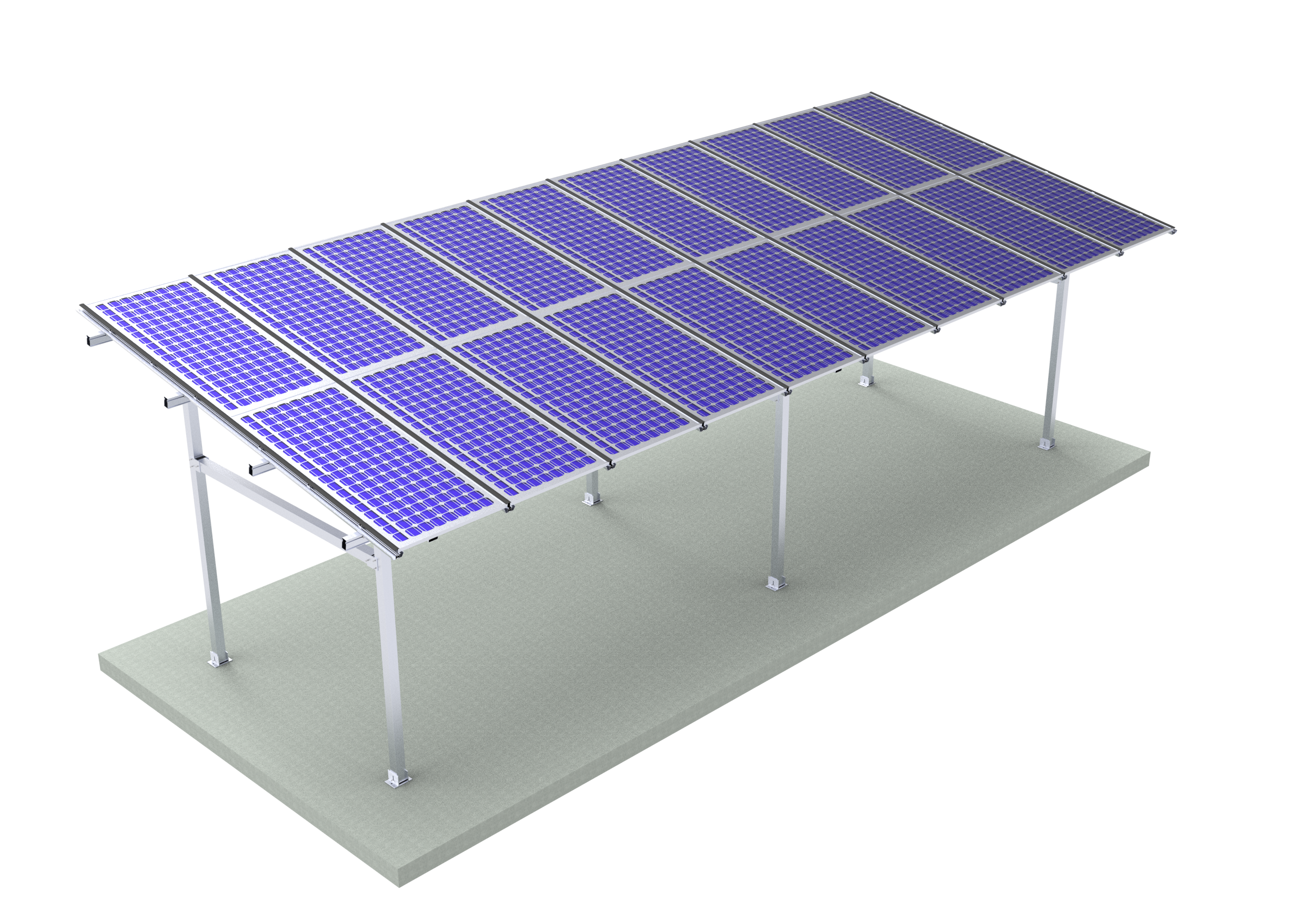
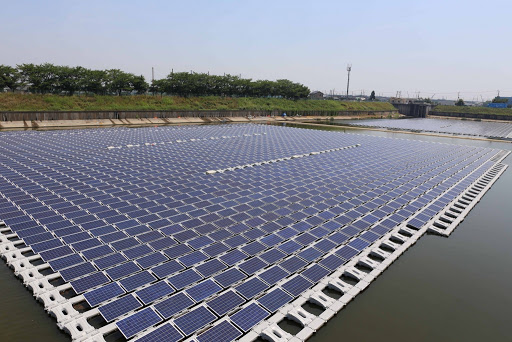
Our main products include roof mounting systems, carport mounting systems, floating photovoltaic mounting systems, solar ground mounting systems, and solar farm mounting systems.
We operate our own manufacturing facilities, enabling strict quality control and ensuring consistent, reliable product quality. In addition, our experienced R&D team provides professional and innovative solar mounting solutions tailored to specific project requirements.
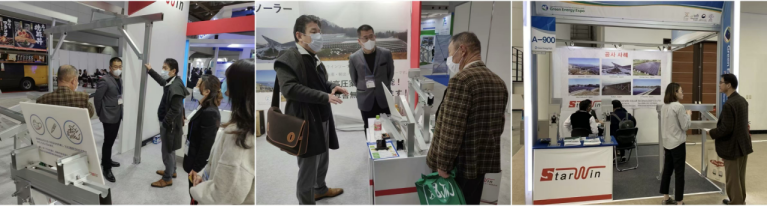
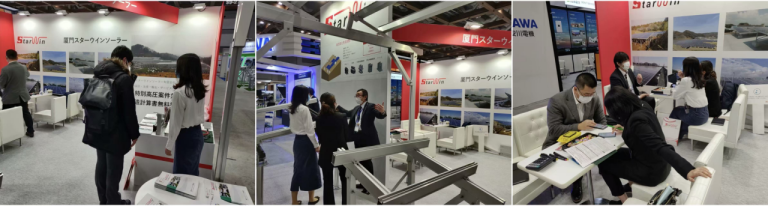
With an annual production capacity exceeding 1 GW, Starwin Solar mounting structures have been successfully supplied to many countries worldwide, including Japan, Singapore, Malaysia, Vietnam, the Philippines, South Korea, Cambodia, the United States, France, and more.
Adhering to the principles of “Quality First” and “Technology Innovation,” we place great emphasis on employee training and development, recognizing our people as the most valuable asset of the company.