
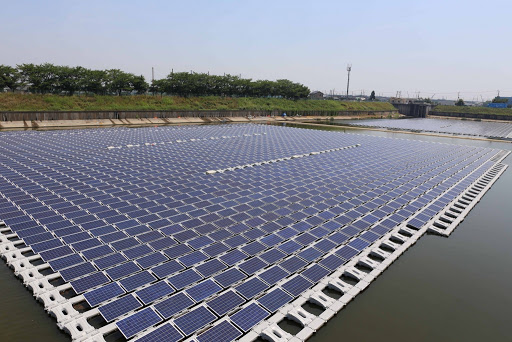
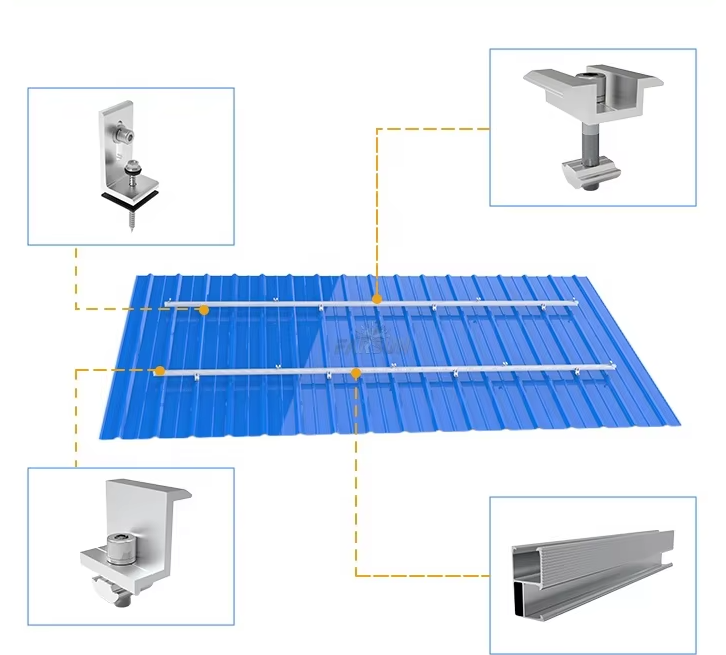
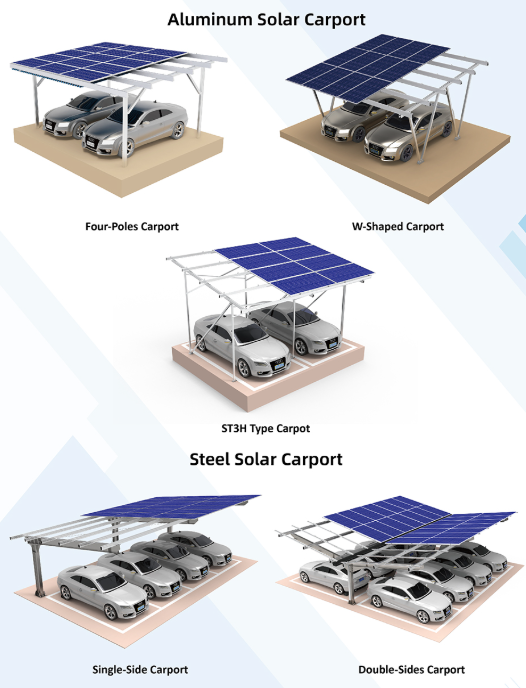
Not all flat roofs can hold a Flat Roof Solar Racking System without checking first. If you do not check, you might have these problems:
The building can get weaker from structural damage.
Water can leak in from many places, especially where racks are put in without the right flashing.
Sealant can break down when metal gets hot and cold, which can cause leaks and cost a lot to fix.
Getting a professional to look at your roof and get it ready helps you stop these problems. Experts like Xiamen Starwin Solar Technology Co.,Ltd help you with every step.
Key Takeaways
Make sure your roof is strong before adding solar panels. This helps stop damage to the building. - Get experts to look at your roof and make it stronger if needed. This can help stop leaks and save money on repairs. - Pick the best mounting system for your roof type and weather. - Use good sealing and flashing to keep water out and protect your roof. - Work with skilled solar installers so the job is safe and works well.
1. Assessing Flat Roof Solar Racking System Load
Load Requirements and Roof Age
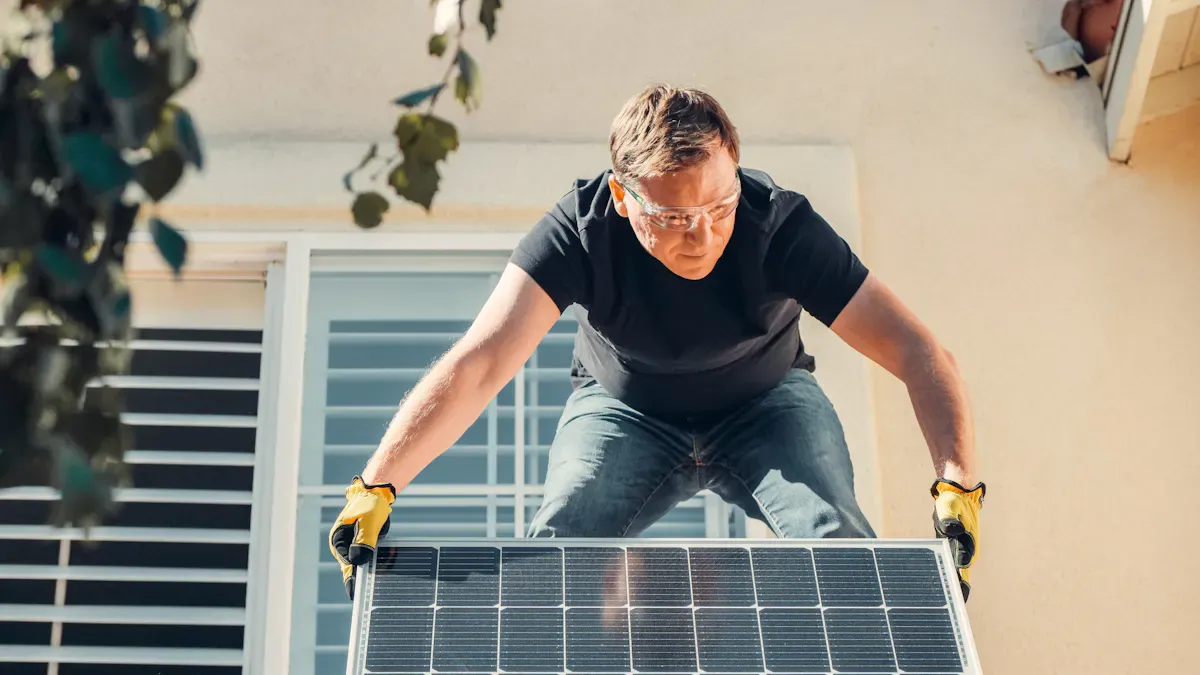
Before you install a Flat Roof Solar Racking System, you need to know how much weight your roof can hold. Here are some important numbers to keep in mind:
Flush-mounted systems add about 3-4 pounds per square foot.
Ballasted systems for flat roofs add about 5 pounds per square foot.
Mounting equipment adds 0.5-1 pound per square foot.
Racking and hardware add another 0.3-0.7 pounds per square foot.
Your roof should have a live load capacity of 20-40 pounds per square foot and a dead load capacity of 10-15 pounds per square foot.
The total design load should be between 30-55 pounds per square foot, with a safety factor of 40-60% above that.
The age and material of your roof matter a lot. Most flat roofs last 20 to 30 years. If your roof is over 10 years old, you should repair or replace it before adding a Flat Roof Solar Racking System. New installations can last 25 years or more, so you want your roof and solar panels to last together.
Tip: Careful planning helps your roof keep its strength and avoids future problems.
Warning Signs of Weak Structure
You should look for signs that your roof might not be strong enough:
Sagging or uneven rooflines
Dips or sags in the roof surface
Cracks in walls or ceilings
Dampness or rot in beams
Persistent leaks
If you see any of these, your roof may need repairs before you install a Flat Roof Solar Racking System.
Consulting a Structural Engineer
A licensed structural engineer can check if your roof is ready for solar panels. They know how to measure your roof’s strength and make sure it meets building codes. Solar installers often work with engineers to gather information before starting. This teamwork helps you avoid costly mistakes and keeps your building safe.
Note: Local weather, like wind and snow, can change how much weight your roof needs to hold. Always ask an expert about your area.
2. Preparing for Solar Installation
Professional Roof Inspection
You need a professional to check your roof before you install a Flat Roof Solar Racking System. This helps you find problems early. It stops bigger issues from happening later. A good inspection will do many things. It checks if rafters and trusses are strong. It looks for water damage, like stains or soft spots. It finds leak spots near vents, chimneys, or skylights. It checks roofing materials and replaces old or broken parts. It uses tools like moisture meters or thermal cameras to find hidden weak spots.
Tip: Ask your inspector to look for hidden moisture. This can help you avoid leaks after your solar system is installed.
Roof Repairs and Reinforcement
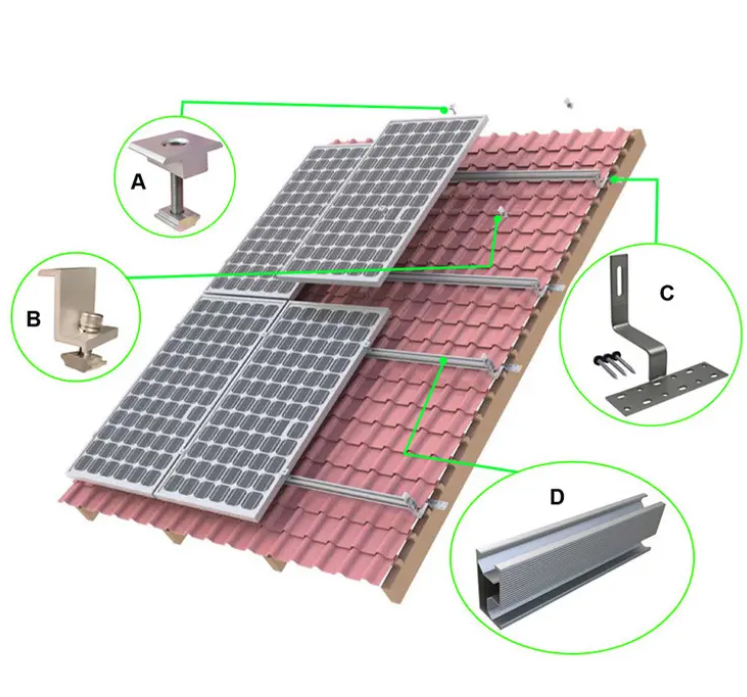
You might need repairs or extra support before you add solar panels. Some common steps are needed. You may need to make your roof stronger for the extra weight. You can use special fasteners, like high-strength bolts, to keep things safe. Lightweight ballast systems help older roofs spread out the weight. You should seal holes or gaps to keep water out. This is important if you use a roof mounting system that attaches right to the roof.
If you pick a flat roof solar Mount structure or flat roof solar racking, make sure your roof can handle it. Each system needs different support and waterproofing.
Permits and Documentation
You must get the right permits before you start work. Permits keep your project legal and safe. Here is a table of common permits:
| Permit Type | Description |
|---|---|
| Building Permit | Checks roof strength and code compliance |
| Electrical Permit | Makes sure wiring is safe |
| Utility Permit | Needed to connect your system to the power grid |
| Zoning Permit | Ensures your system fits local rules |
| Fire Permit | Checks for fire safety |
| HOA Approval | Needed if you live in a neighborhood with a Homeowners Association |
| Grid Connection Approval | Allows you to connect to the local electric grid |
Note: If you skip permits, you could get fined. You might have to stop work or remove your solar panels. Always check with your city or county before you begin.
3. Choosing the Right Mounting System
When picking a mounting system for your flat roof, you must think about safety. You also need to think about how much energy you want and how to protect your roof. There are three main things you should look at.
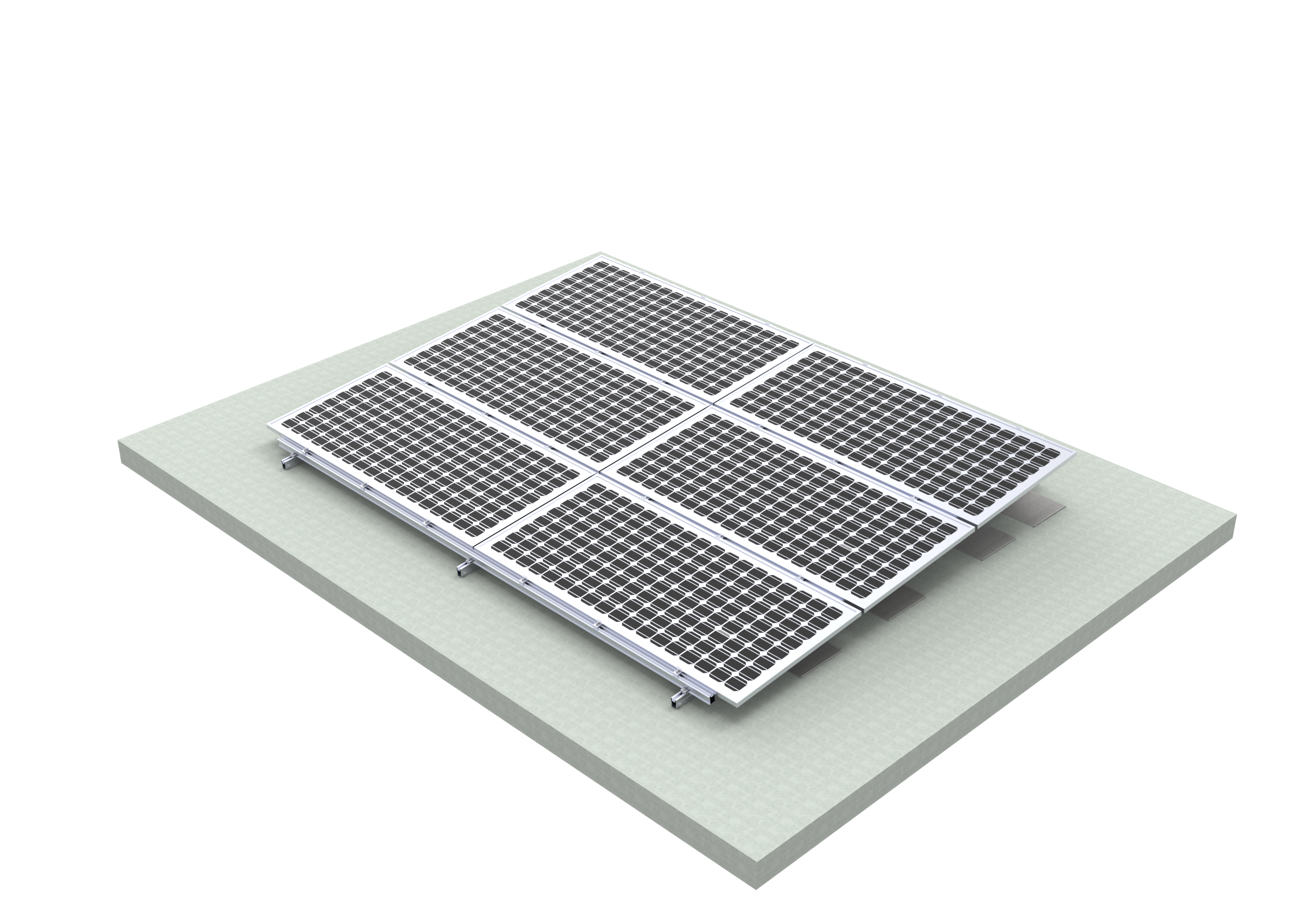
Non-Penetrating and Ballast Mounts
You can choose from two main mounting systems for your flat roof. One is non-penetrating, called ballasted. The other is attached. The table below shows how they are different:
| Feature | Ballasted Systems | Attached Systems |
|---|---|---|
| Installation Method | Uses weight (concrete blocks) without roof penetrations | Mechanically fastened with sealed penetrations |
| Structural Requirements | Needs strong roof in moderate wind zones | Good for high-wind areas and limited weight roofs |
| Climate Suitability | Best for moderate wind, avoids roof penetrations | Works in severe weather and heavy snow |
| Maintenance | Easier removal, less work on penetrations | Needs flashing and sealant checks |
| Installation Time | Faster, less sealing work | Takes longer due to sealing |
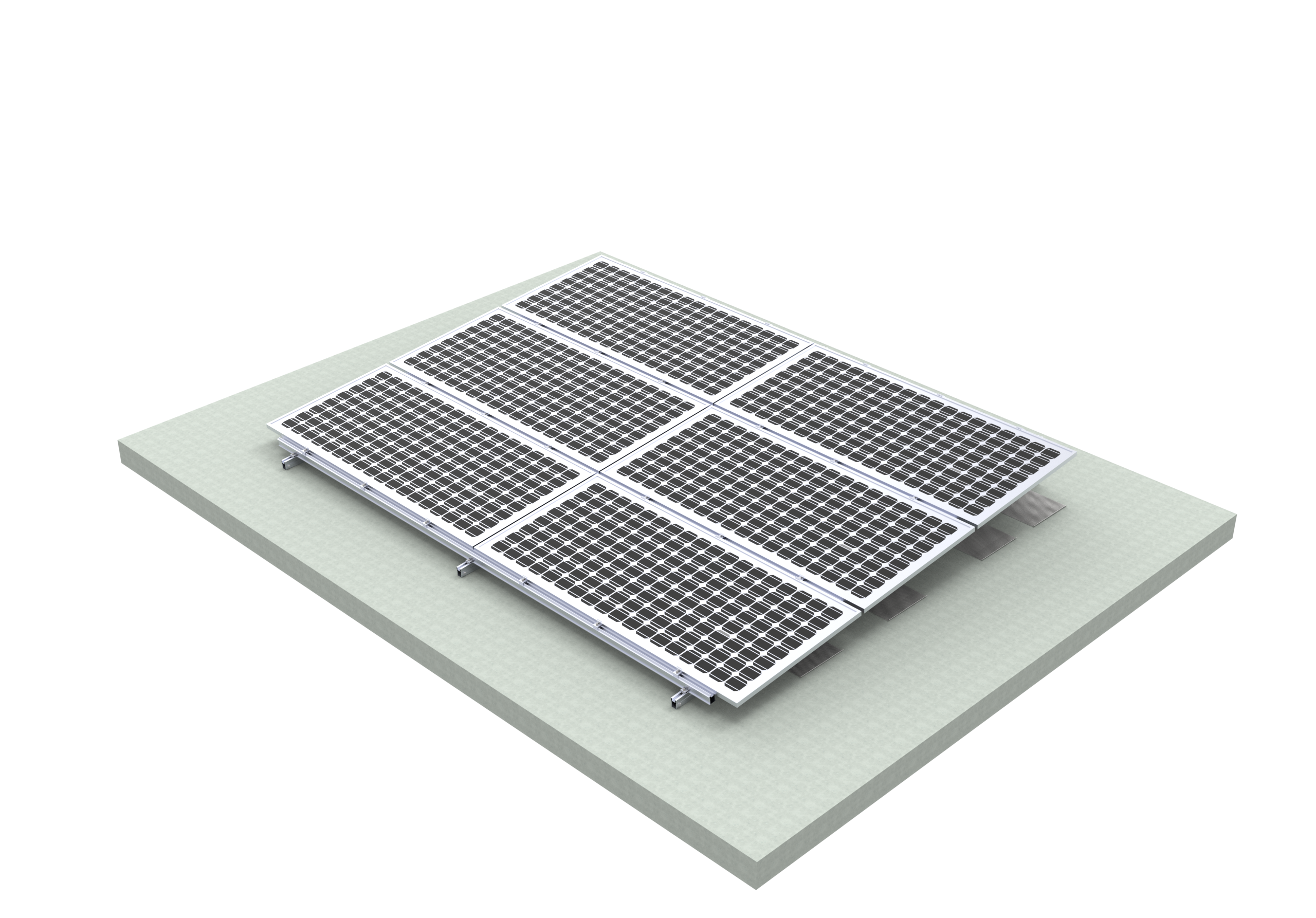
Ballasted systems use heavy blocks to keep panels in place. Attached systems use bolts and need waterproofing. Pick the system that fits your roof’s strength and your local weather.
Minimum Tilt and Panel Placement
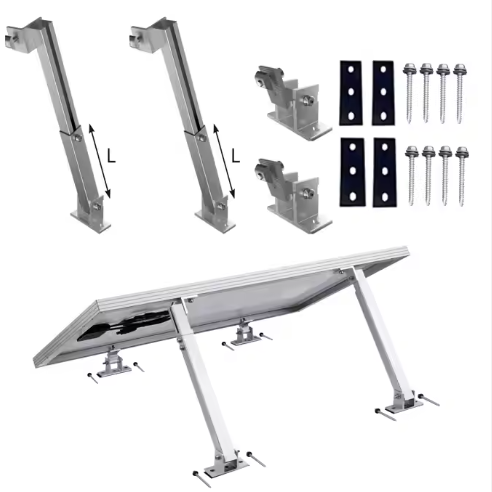
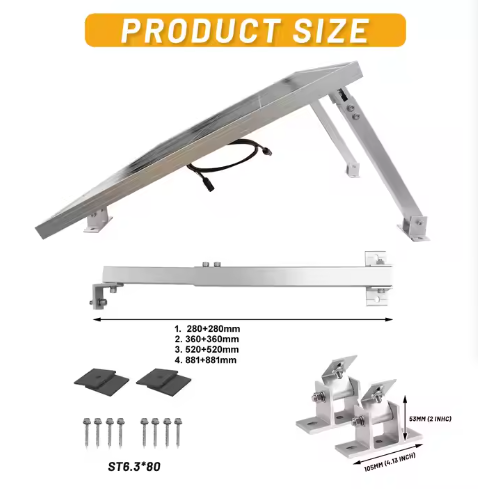
Panels should be tilted between 5 and 10 degrees. This tilt helps rainwater run off the panels. It stops water from pooling under them. Good drainage keeps your panels and roof safe. Panels with the right tilt get more sunlight. This means they make more energy. You can use a striangle solar mounting or flat roof solar Mount structure to get the best angle.
Tip: Put panels so they do not block roof drains or vents.
Matching Mounts to Roof Material
You must match your mounting system to your roof material. Roofs with single-ply membranes like TPO, EPDM, or PVC need special care. These materials are light and work with many mounting types. A roof mounting system that fits your roof will keep water out. It will protect your building. Always check for good drainage and use the right sealants. A professional can help you pick the best flat roof solar racking for your roof.
A good Flat Roof Solar Racking System gives strong support. It helps make more energy. It keeps your roof free from leaks for many years.
4. Preventing Waterproofing Issues
Common Waterproofing Mistakes
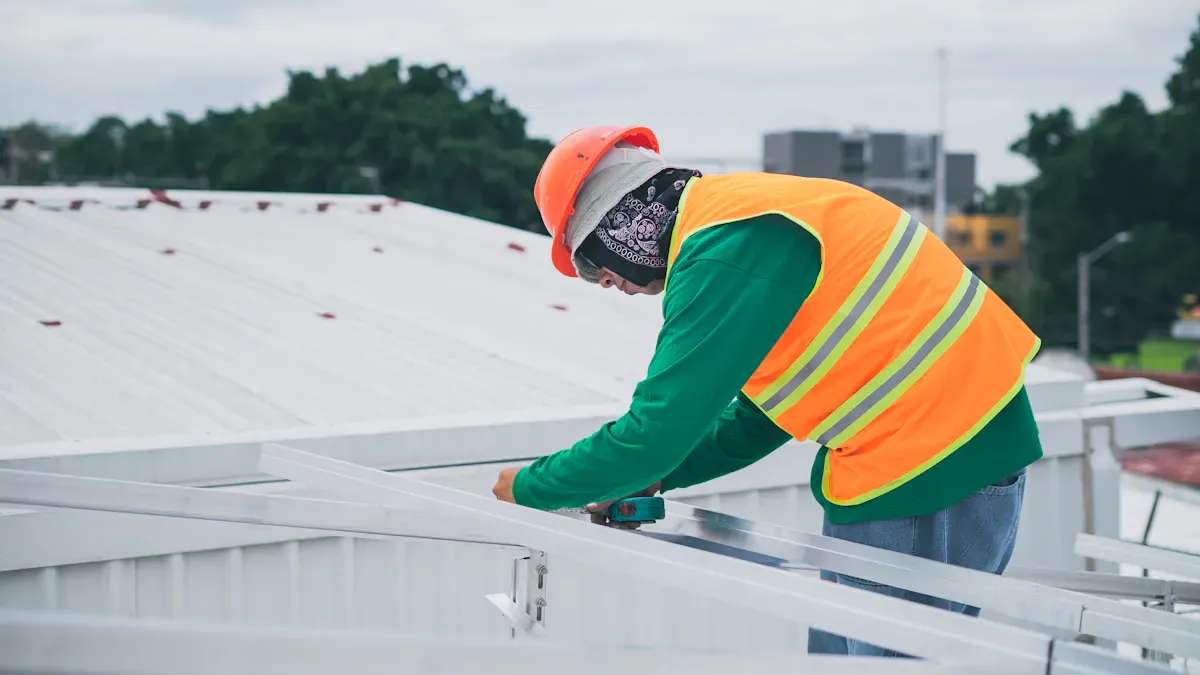
Many waterproofing mistakes can happen during a Flat Roof Solar Racking System installation. Here are the most common problems:
Bad sealing and installation let water get into your roof.
Not enough rules means installers miss important steps like fasteners and sealing.
Water can get in at many places if racks are fastened without proper flashing.
Metal parts move with heat and cold, which can break sealants and cause leaks.
Tip: Always check that flashing and sealing are done right at every mounting spot. This helps you stop leaks and saves money on repairs.
Best Practices for Roof Integrity
You can keep your roof safe by following these best practices:
Hire installers who have licenses and insurance and know roofing.
Use good sealing and flashing at all mounting spots, especially with a roof mounting system.
Check your roof before installing and fix any damage.
Pick strong materials like solar panels made for high wind and sturdy frames.
Try multi-layer waterproofing, like professional flashing and sealants made for membranes.
Use products like flat roof solar Mount structure, flat roof solar racking, concrete roof mount, and striangle solar mounting for strong support and good waterproofing.
| Material Type | Description | Application Method |
|---|---|---|
| Waterproofing Bitumen | Made stronger with polymers, layered on mats of fiberglass or polyester | Heated with a torch or put on with cold glue |
| Liquid Applied Roofing | Bitumen with glass fibers for strength | Cold-poured first layer on insulation, second layer on asphalt or felt |
| Spray On Roofing | Sun-reflecting coating made of silicone, acrylic, or aluminum | Sprayed right over insulation |
Maintenance After Installation
You need to take care of your roof after solar panels are installed. Here are easy steps:
Check your roof often to find damage or wear.
Look at seals around panels, vents, and chimneys.
Clean leaves and dirt from gutters and roof to stop moisture.
Clear drains so water can leave your flat roof.
Use soft brushes or low-pressure water to clean.
Get professional inspections sometimes to find problems early.
Alert: Regular maintenance keeps your roof strong and stops leaks for a long time.
5. Working with Qualified Solar Professionals
Selecting Experienced Installers
Pick installers who know flat roofs well. Good installers keep your roof safe. They check if your roof can hold a Flat Roof Solar Racking System. They make sure water drains and does not stay trapped. They look at wind in your area and pick the right mounting system. Choose companies that use certified products and follow rules. Licensed engineers and contractors help you meet building codes. Experts like Xiamen Starwin Solar Technology Co.,Ltd give you advanced solutions like concrete roof mount and striangle solar mounting. These systems give strong support and better waterproofing.
Tip: Professional installers help you avoid mistakes. Mistakes can cause leaks or void warranties.
Key Questions to Ask
Ask questions before you hire a solar company. This helps you find the right fit:
How long do solar panels last?
How much maintenance will my system need?
Will my panels stay safe in strong winds or bad weather?
What are the financial benefits for me?
Can you replace my roof if needed before installing solar panels?
Do you offer battery storage options?
These questions help you know what to expect. They show how the company will support you.
Warranties and Insurance
Always ask about warranties and insurance. Many manufacturers want certified installers for the warranty to stay valid. Professional installation lowers the risk of leaks. It keeps your system working well. Good companies offer clear warranties for panels and mounting systems. They have insurance to protect you if something goes wrong. Ongoing support is important. Regular checks and maintenance keep your roof and solar panels in good shape. You should inspect your roof twice a year. Look for soft spots and clear away debris. This care helps your system last longer. It gives you peace of mind.
Alert: Choosing qualified professionals means you get expert help. You get strong warranties and support for years.
You should check your roof before adding a Flat Roof Solar Racking System. Get it ready and pick the best mounting system for your roof. Experts can help you keep water out and save money over time. Here are some good things about doing this:
Using strong materials and skilled workers means you fix less and your roof lasts longer.
Flat roof solar systems let you use empty roof space, make your property worth more, and help the planet.
Checking your system often keeps it working well and safe.
FAQ
How do you know if your flat roof can support solar panels?
You should ask a professional to check your roof. They look at the age, material, and strength. Using a flat roof solar Mount structure helps spread the weight safely.
What is the best mounting system for a flat roof?
You can use a flat roof solar racking or a concrete roof mount. These systems protect your roof and keep panels secure.
How do you stop leaks after installing solar panels?
You need a good roof mounting system. Make sure installers seal all holes and use flashing. Check seals often to keep water out.
Can you tilt solar panels on a flat roof?
Yes, you can use a striangle solar mounting. This system gives panels the right angle for sunlight and helps water drain off the roof.
How often should you check your solar system and roof?
You should inspect your roof and solar panels twice a year. Look for damage, leaks, or loose parts. Regular checks help your flat roof solar racking last longer.