
What are PV Mounting Structures?
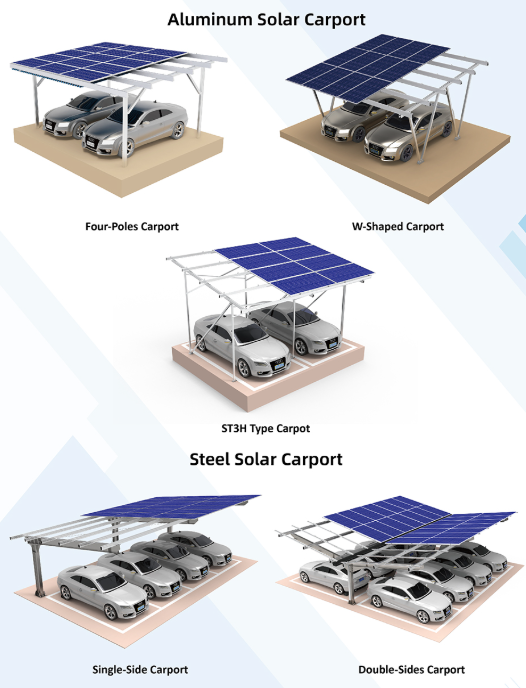
PV mounting structures are metal frameworks designed within solar power generation systems to position, install, and secure solar panels. These structures support the primary power-generating components of a PV power plant; serving as the "skeleton" of the facility, they constitute a critical element of the overall photovoltaic power generation system.
Depending on varying environmental conditions and installation requirements, photovoltaic mounting systems can be classified into: fixed mounts, tilt-adjustable mounts, automatic tracking mounts, and flexible mounts.
What is a Fixed-Tilt PV Mounting System?
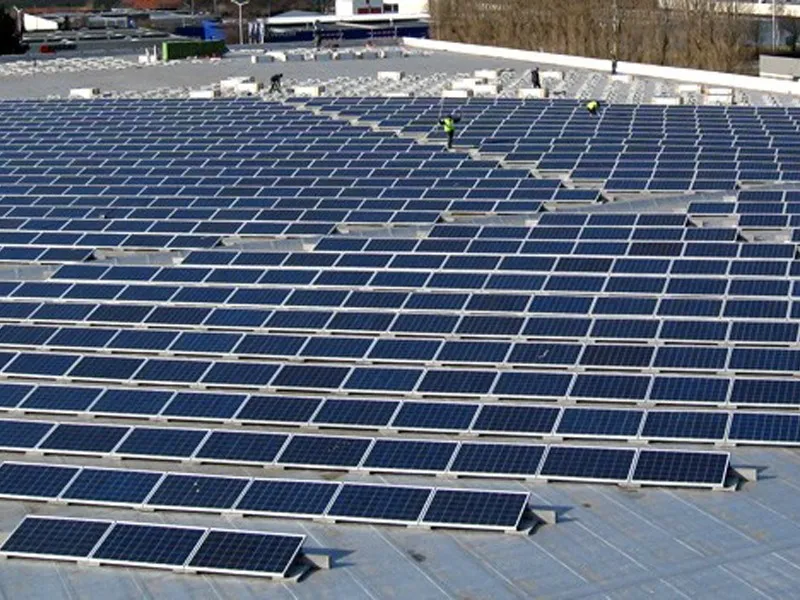
A fixed-tilt PV mounting system is a support structure that enables a photovoltaic array to receive solar radiation in a stationary orientation. The design of such a system is tailored to local geographical location, environmental factors, and climatic conditions, positioning the mount at an angle that maximizes the surface area exposed to solar radiation; once installed, its position is generally not subject to frequent adjustment.
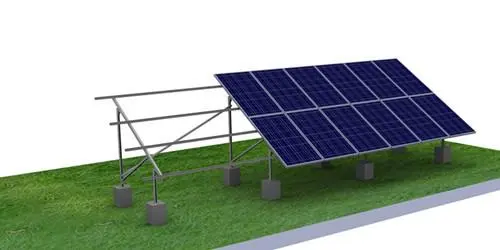
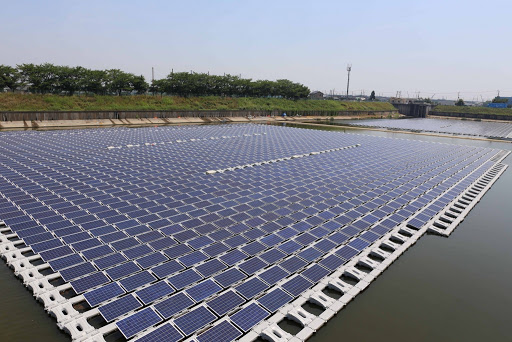
Based on the application scenario, fixed-mount PV brackets are classified into three categories: rooftop, ground-mounted, and water-based.
Roofing:
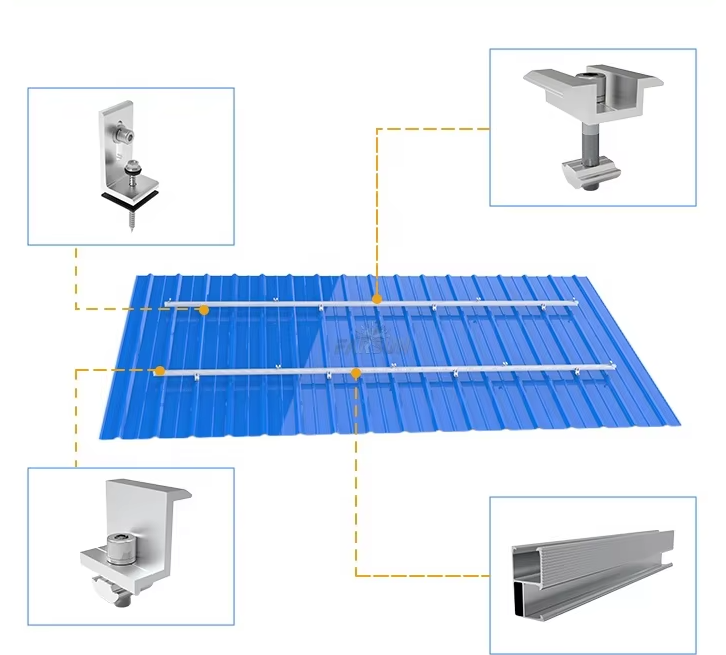
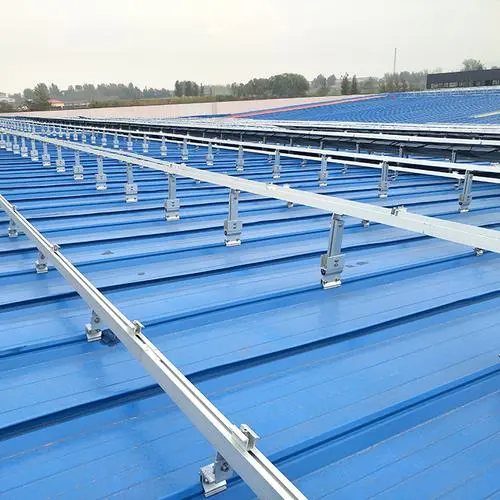
Color Steel Roof PV Mounting Bracket
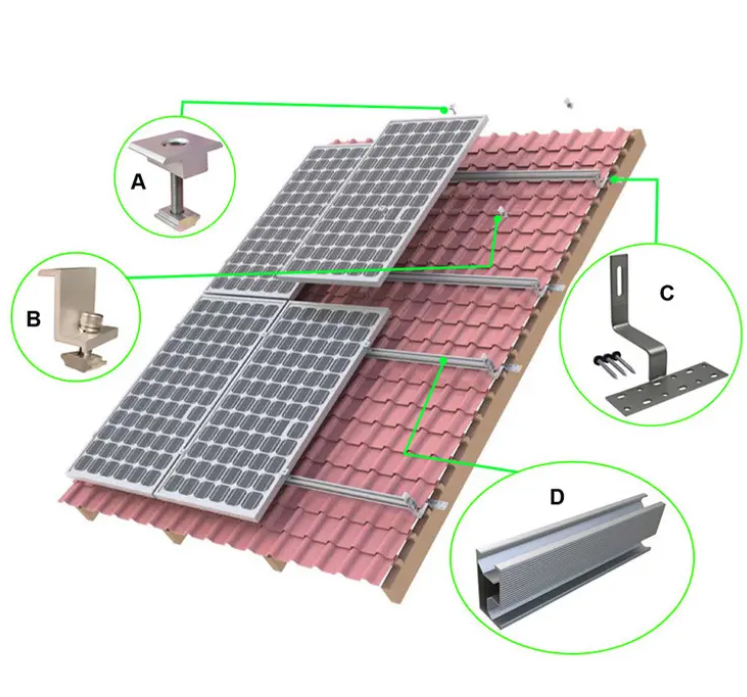
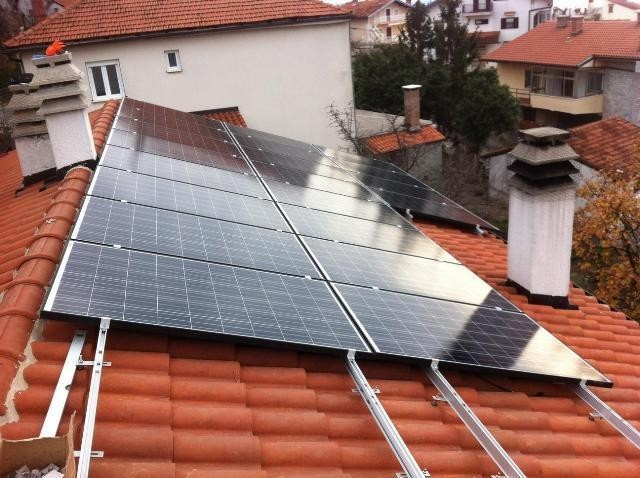
Pitched Roof PV Mounting System
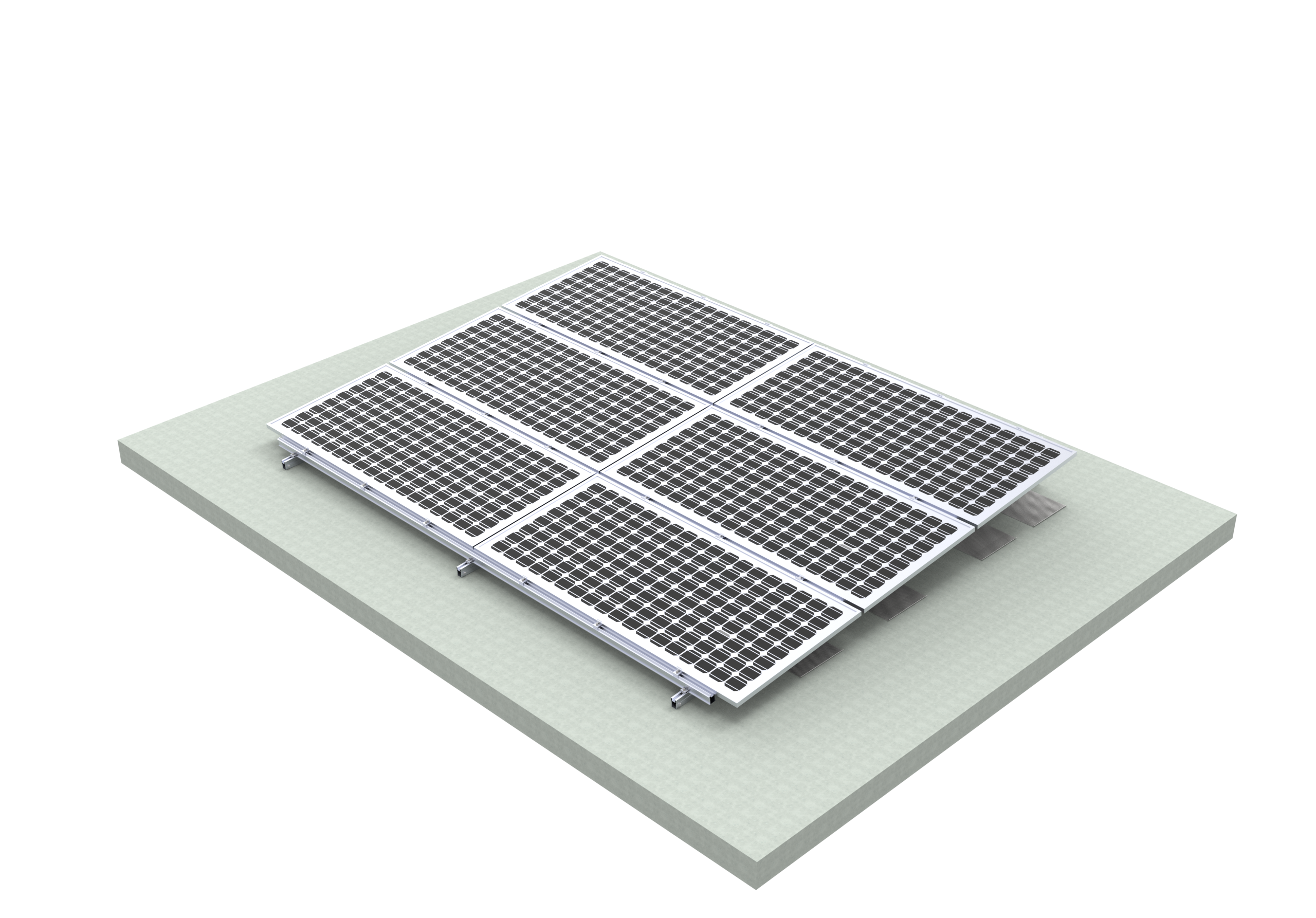
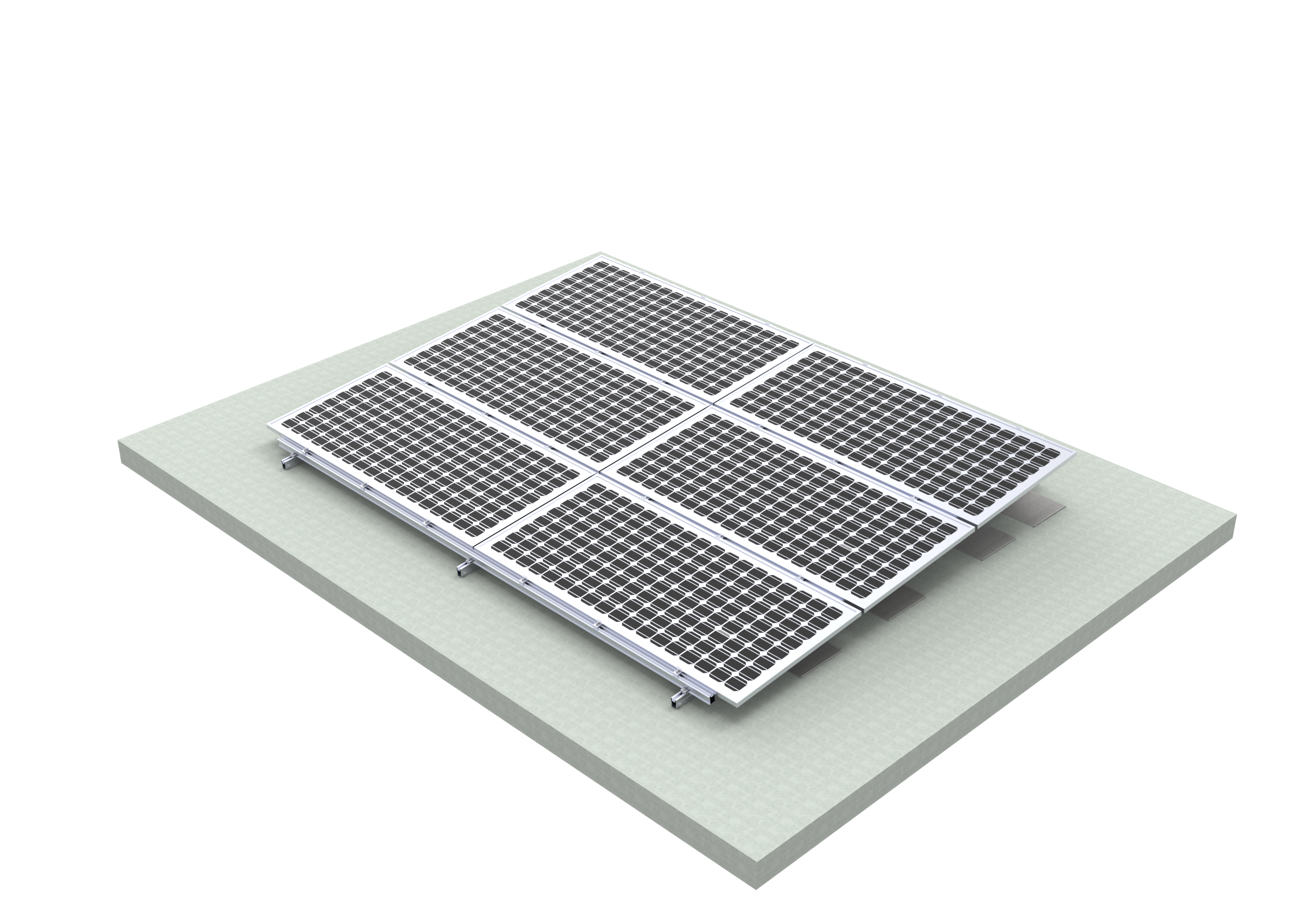
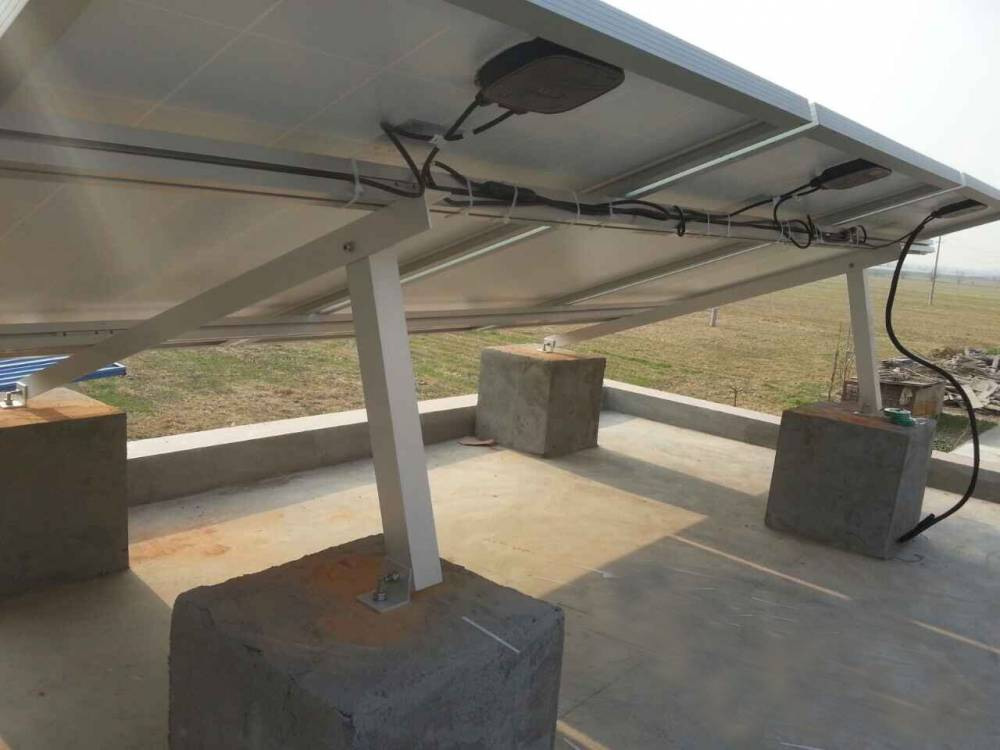
Flat Roof PV Mounting System
Flooring:
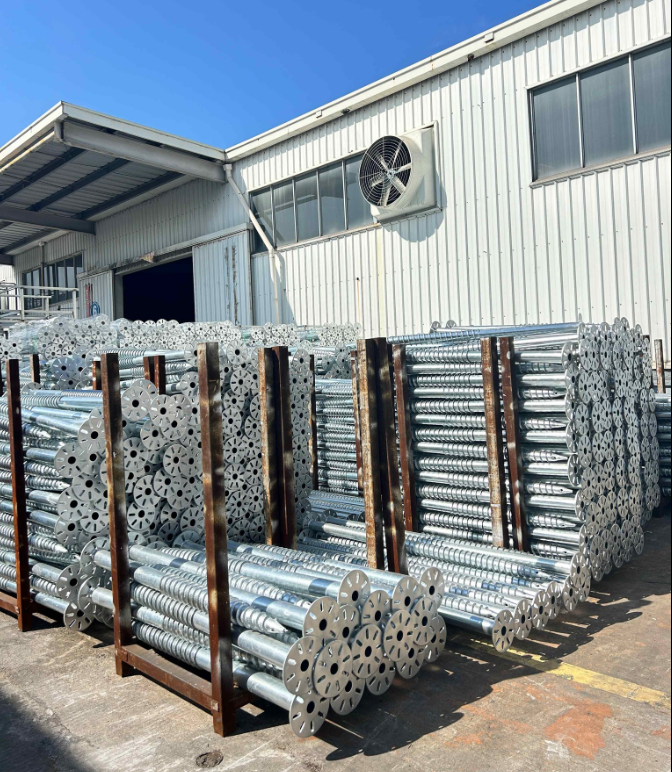
Single-Column PV Mounting System
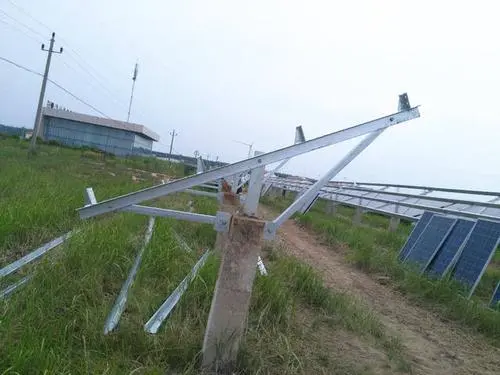
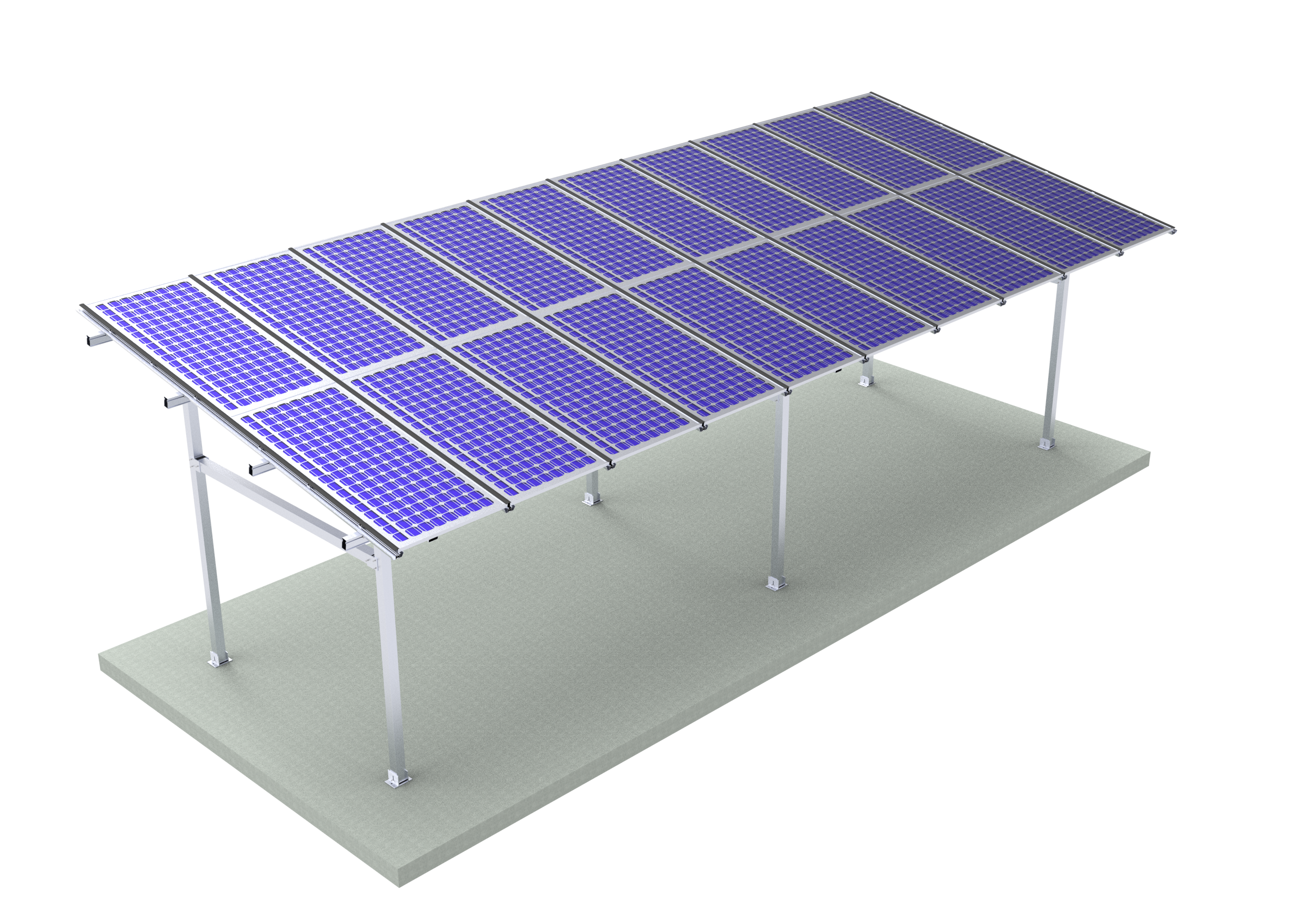
Dual-Post PV Mounting System
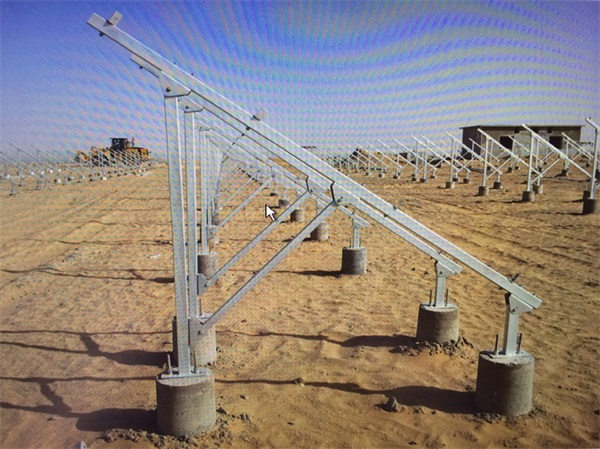
Surface Lures:
Floating PV Mounting System
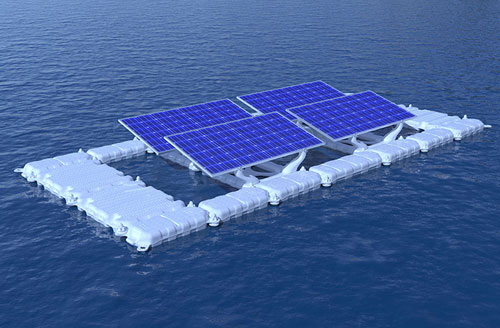
Column-Mounted Floating PV Mounting System
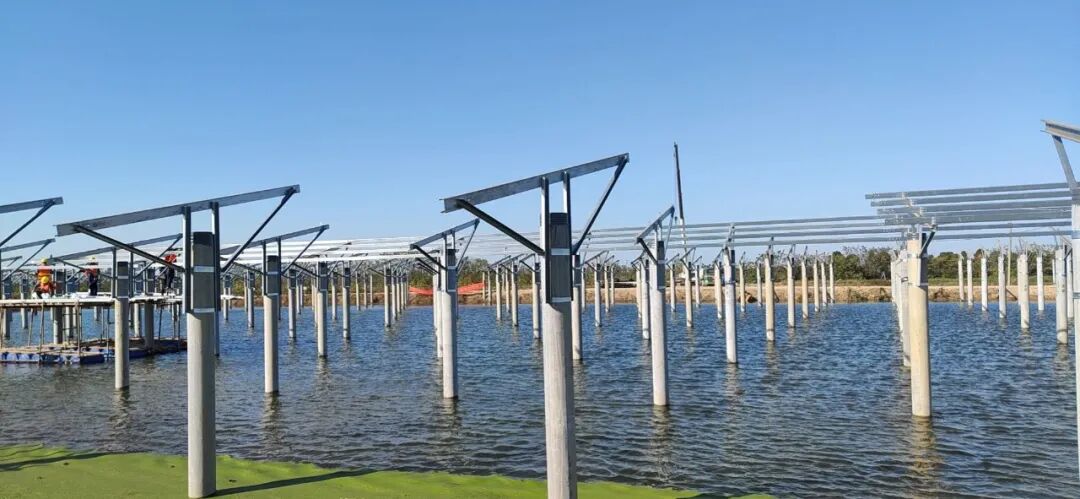
Fixed-mount PV brackets offer the following advantages:
1. **High Stability:** Fixed-mount PV brackets feature a robust structural design capable of maintaining stability under various climatic conditions. Whether facing the wind and rain of summer or the cold of winter, these brackets reliably support the PV modules.
2. **Low Maintenance Costs:** Since fixed-mount PV brackets contain no moving parts and feature a simple construction—making them relatively easy to manufacture and install—their maintenance costs are comparatively low. Routine checks and cleaning of the PV modules are all that is required to ensure proper operation.
3. **Wide Applicability:** Fixed-mount PV brackets have minimal site requirements and are suitable for a diverse range of locations, including rooftops, ground-level sites, and hillsides. They can be flexibly deployed in both urban and rural environments.
4. **Long Lifespan:** Fixed-mount PV brackets boast a long service life, typically lasting for 30 years or more.
What is an adjustable-tilt PV mounting bracket?
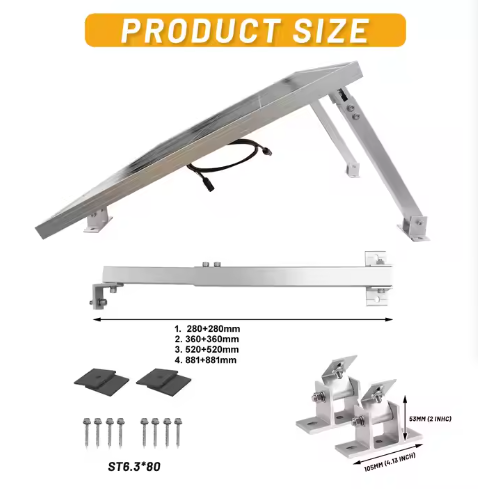
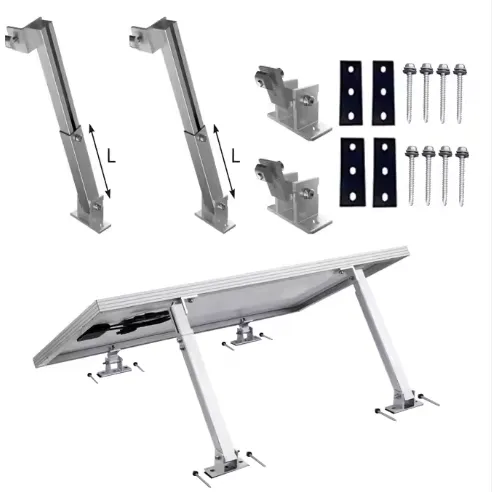
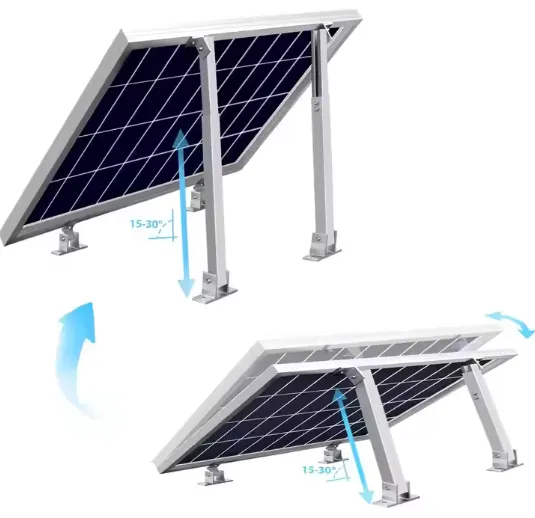
The structure of an adjustable-tilt mounting bracket is similar to that of a fixed bracket, differing only by the inclusion of an additional adjustment mechanism. The tilt angle of an adjustable bracket can be manually modified to align with seasonal or cyclical shifts in the sun's angle of incidence. By periodically adjusting the bracket's tilt, the absorption of direct sunlight is enhanced, thereby boosting the power generation output of the photovoltaic modules.
Adjustable-Tilt Photovoltaic Mounting Bracket
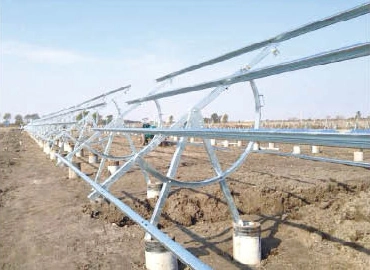
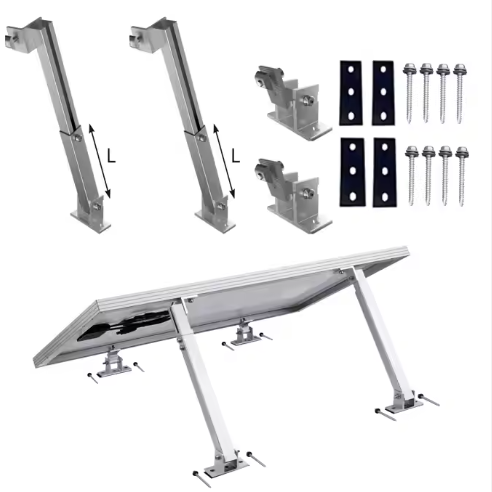
Adjustable Rooftop PV Mounting Bracket
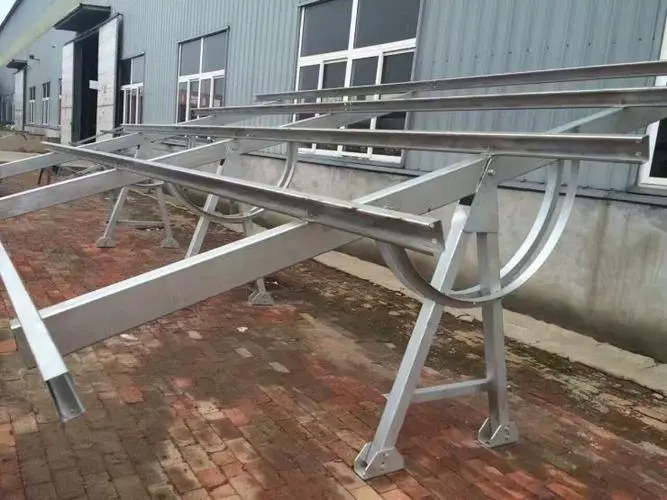
Adjustable Ground-Mounted PV Bracket
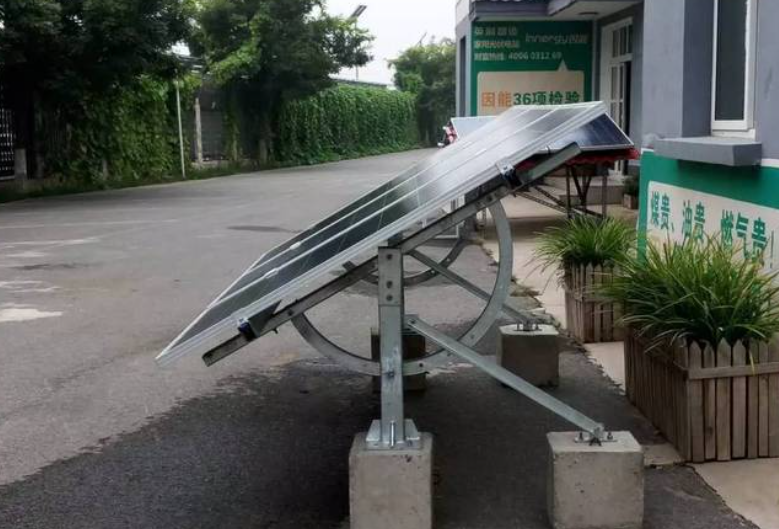
What is an automatic tracking photovoltaic mounting system?
A solar tracking mount refers to a photovoltaic mounting system capable of automatically adjusting the angle of a solar array to follow changes in the sun's angle of incidence.
Solar tracking mounts are primarily categorized into horizontal single-axis trackers, tilted single-axis trackers, and dual-axis trackers.
In photovoltaic power generation systems utilizing tracking mounts, the orientation of the solar modules automatically adjusts in response to lighting conditions. This minimizes the angle between the modules and direct sunlight, typically resulting in a 10% to 25% increase in power generation output.
Tracking mounts are particularly well-suited for complex terrain and are frequently deployed in centralized photovoltaic power stations.
Single-Axis Tracking PV Mounting System
A single-axis tracking mount refers to a system that automatically rotates around a single axis to track sunlight, thereby adjusting the angular position of a solar panel. This process aims to maximize the intensity of solar radiation incident perpendicularly upon the panel surface, thereby enhancing photovoltaic conversion efficiency.
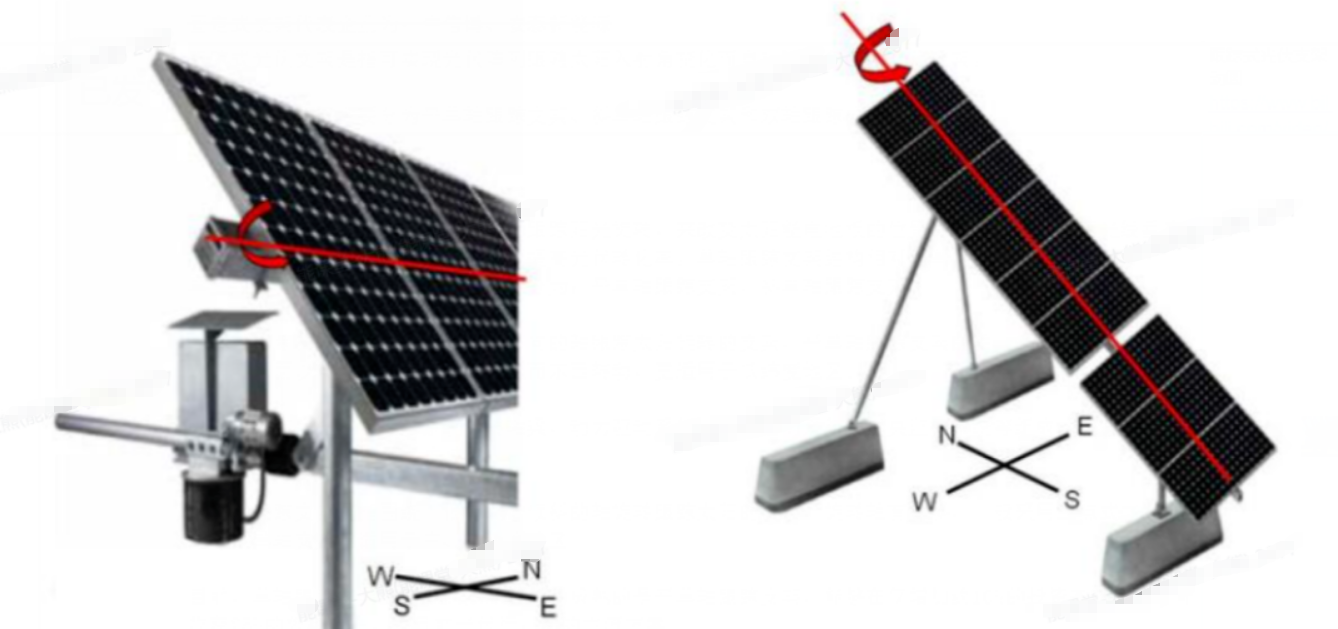
The structure of a single-axis tracking mount is relatively simple, featuring only a single axis of rotation. Based on the orientation of the rotational axis, single-axis tracking mounts can be classified into two types: horizontal single-axis trackers and tilted single-axis trackers.
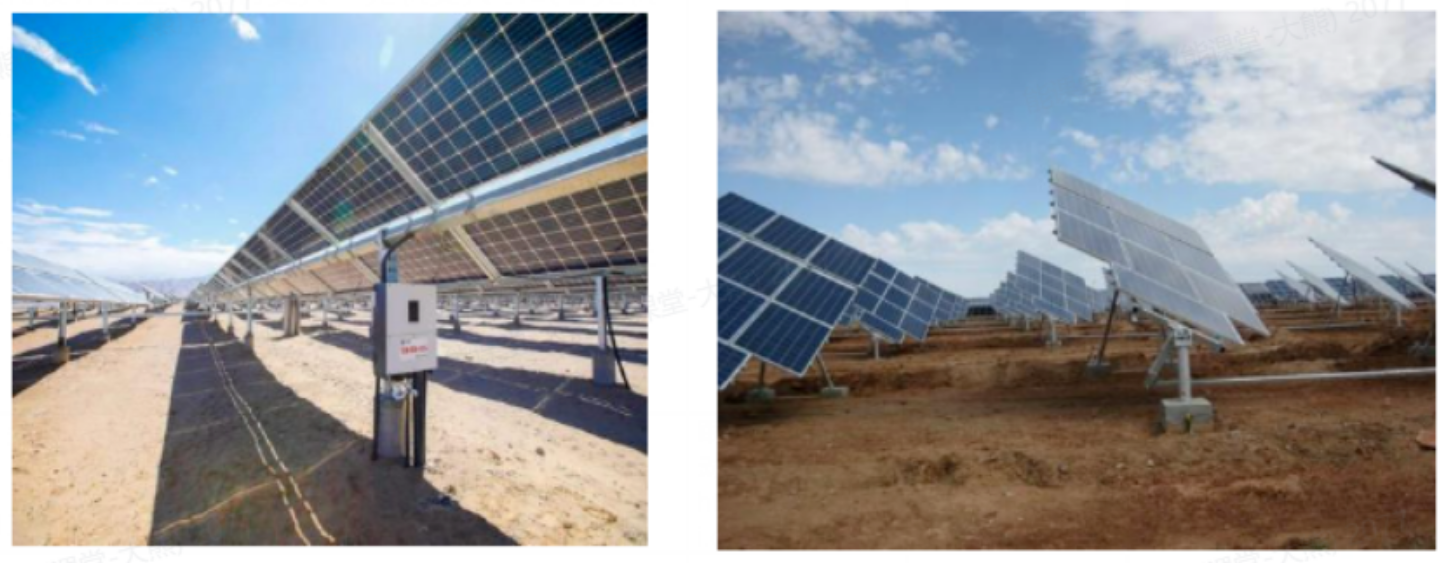
Horizontal Single-Axis Tracking Mount
A horizontal single-axis tracking mount refers to a mounting structure that tracks the sun's movement by rotating around a horizontal axis. Typically, this axis is oriented in a north-south direction; the plane of the photovoltaic array rotates around this axis—moving from east to west—in response to the sun's changing position. This type of tracking mount is particularly well-suited for use in low-latitude regions.
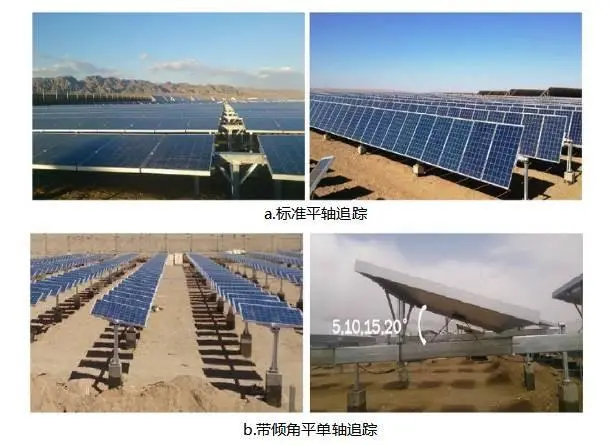
Single-axis tracking systems consist of a solar panel support structure, a rotating shaft beam, a drive system, an electrical control system, a central monitoring system, and other components.
Tilted Single-Axis Tracking Mount
A tilted single-axis tracking mount refers to a mounting structure that tracks the sun by rotating around a single axis inclined in a north-south direction. Due to the inclination of the rotational axis, this system typically employs a three-point support structure. Tilted single-axis mounts are particularly well-suited for use in mid-to-high latitude regions.
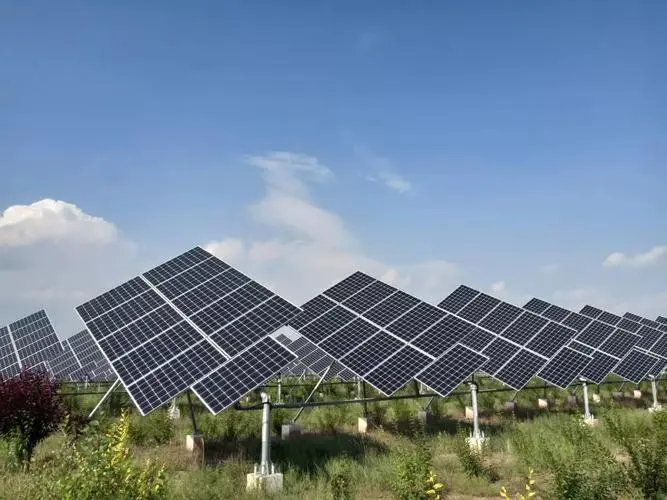
Dual-Axis Solar Tracking Mount
A dual-axis tracking mount features rotational axes in two directions, enabling the photovoltaic module to simultaneously track the sun's position in both azimuth and elevation. This ensures that the module remains perpendicular to the incoming sunlight. Theoretically, a dual-axis tracking mount is capable of precisely following the sun's entire trajectory, thereby achieving an angle of incidence of zero.
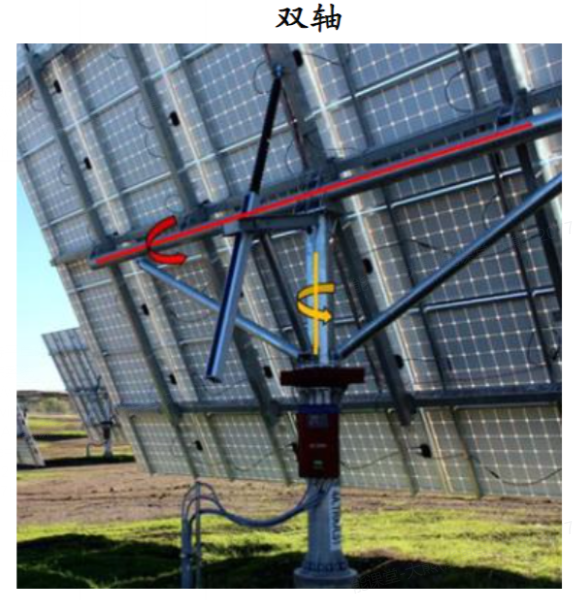
Dual-axis tracking mechanisms are classified into two types: altitude-azimuth tracking systems and polar-axis tracking systems.
An altitude-azimuth tracking mount features two rotational axes: an azimuth axis and a pitch axis. The azimuth axis is perpendicular to the ground plane, and its rotation controls the azimuth angle of the photovoltaic module (specifically, its surface normal); the pitch axis is a horizontal axis, and its rotation controls the pitch angle (or elevation angle) of the module. The coordinated rotation of these two axes enables the surface of the solar panel to remain perpendicular to the incident sunlight.
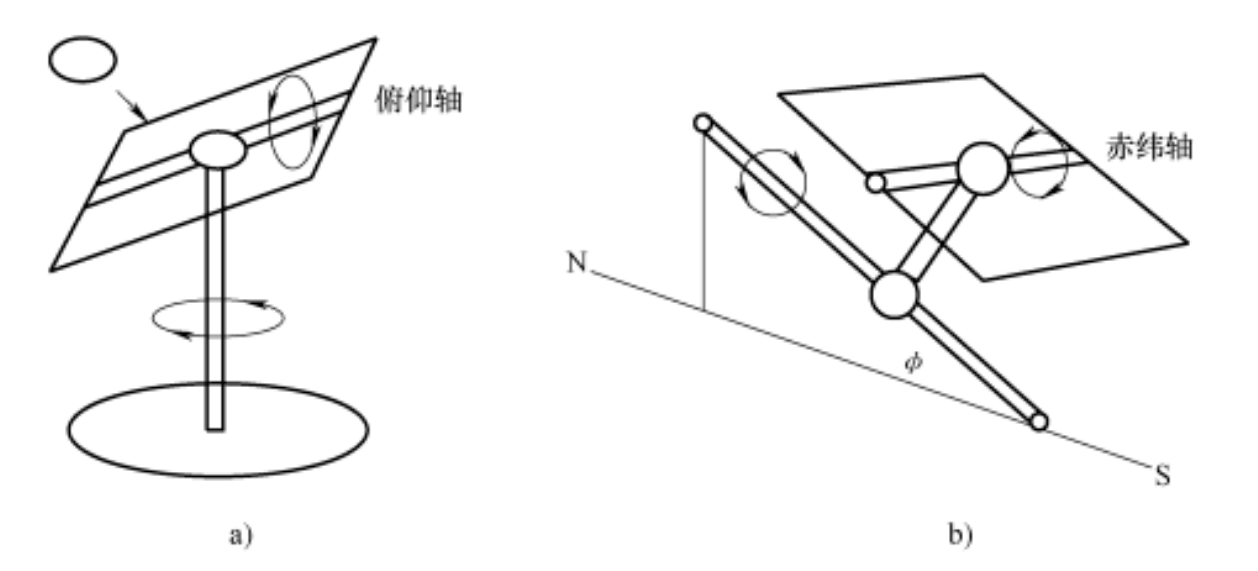
A polar-axis tracking mount consists of a polar axis and a pitch axis; the polar axis points toward the Earth's North Pole and runs parallel to the Earth's rotational axis, while the pitch axis is perpendicular to the polar axis. Since the angle between the sunlight and the polar axis varies with the seasons, the solar panel must be periodically adjusted—performing a pitching motion around the pitch axis—to ensure that the panel's normal vector remains parallel to the incoming sunlight.
What is a Flexible PV Mounting System?
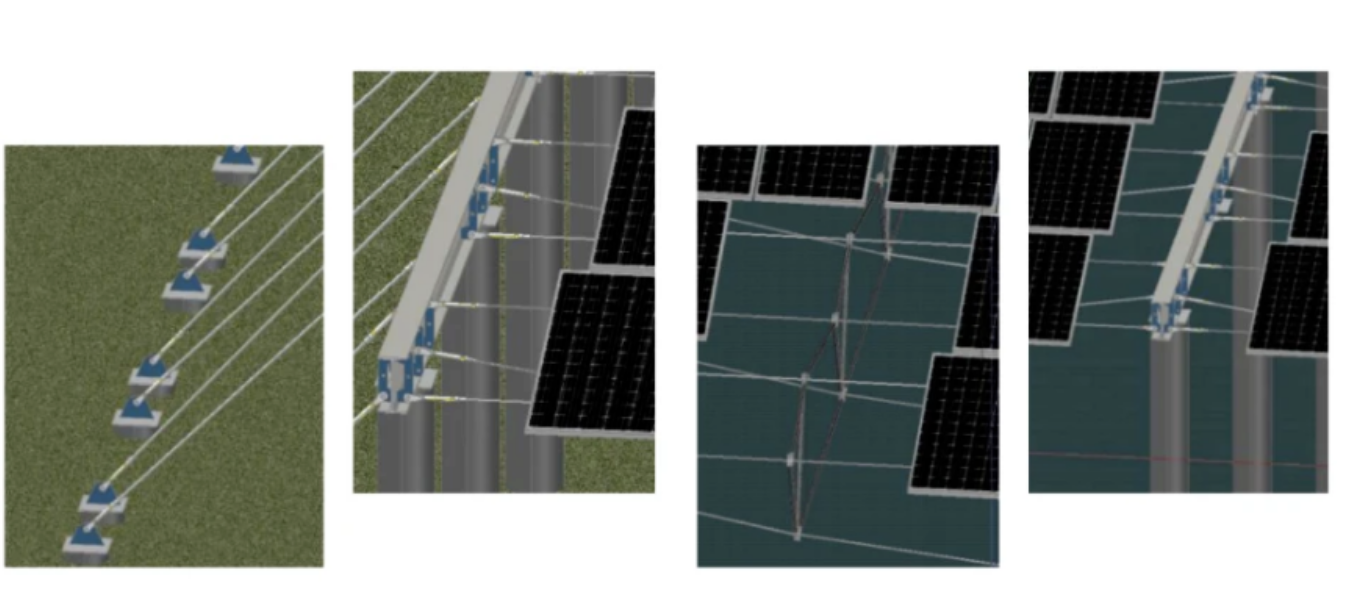
A flexible PV mounting system is a large-span support structure for photovoltaic modules, anchored at both ends and formed by a prestressed flexible cable assembly. The structural system of a flexible mount comprises cable structures, a support system, a damping system, and an anchoring system. The span of the cable structure typically ranges from 20 to 40 meters, though it can extend up to 100 meters. Currently, commonly employed cable structures include single-layer cable arrays, double-layer cable arrays, and cable nets.
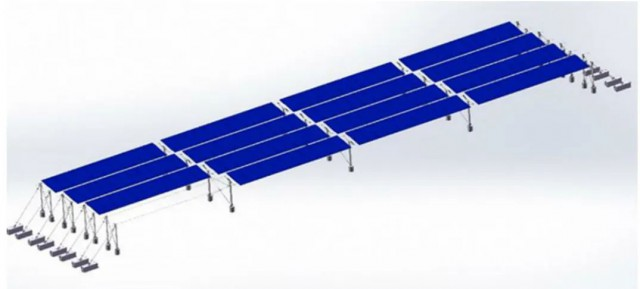
Flexible support structures are classified into single-layer suspension cable structures, double-layer cable truss structures, fish-belly cable truss structures, and cable-strut structures.
Flexible mounting systems allow solar modules to be elevated between 2 and 30 meters above the ground, offering distinct layout advantages such as ample clearance beneath the modules and a reduced requirement for foundation piles. These flexible PV mounting systems are particularly well-suited for a wide range of large-span application sites—including ordinary mountainous terrain, barren slopes, reservoirs and fishponds, and woodlands. By effectively mitigating adverse factors such as undulating topography and dense vegetation, they transform land previously deemed "unusable" due to environmental constraints into productive assets, thereby significantly enhancing land utilization efficiency.
Compared to traditional steel-frame structural solutions, flexible PV mounting systems can reduce steel consumption by 35% and lower overall costs. Featuring a multi-angle adjustable design, these systems allow for project-specific adjustments to module spacing, thereby boosting power generation and achieving both cost reduction and enhanced efficiency.