
What Is a Container Solar Roof Mount?
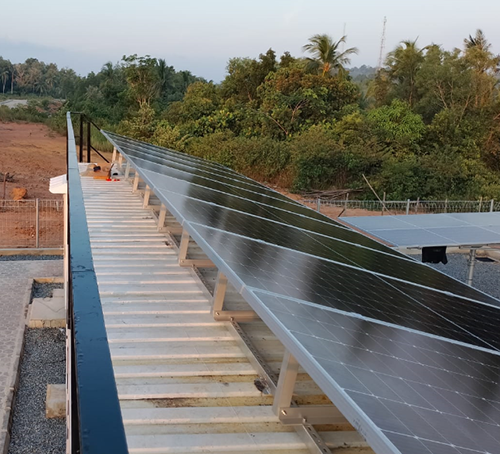
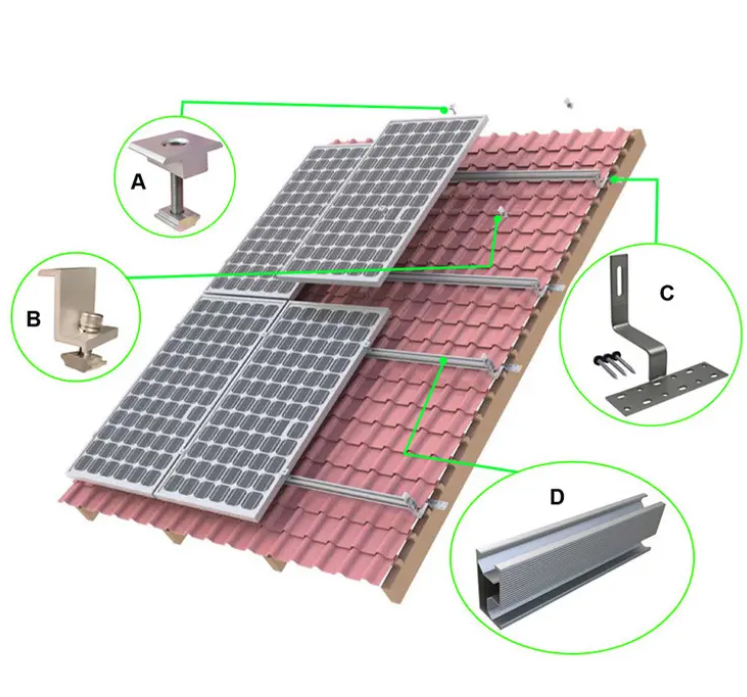
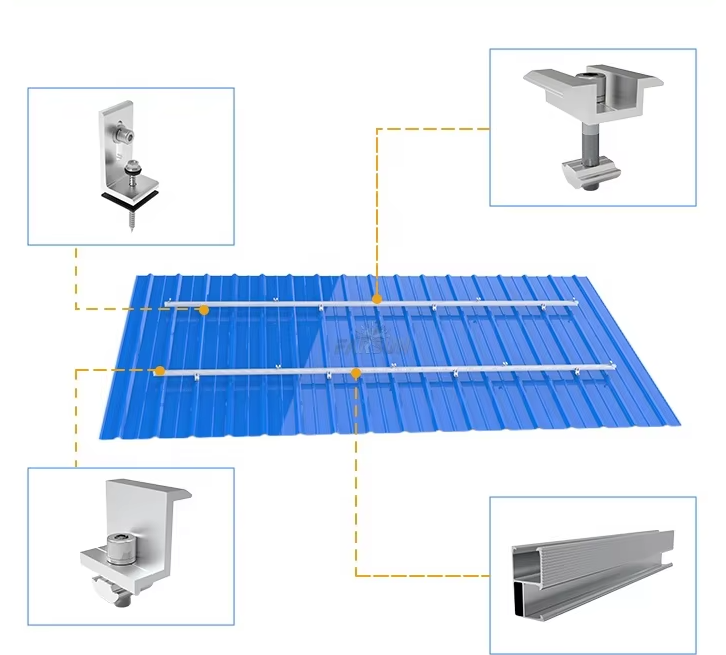
A container solar mount is a specialized racking system engineered to install PV modules on the corrugated steel roof of ISO shipping containers (20ft / 40ft). It typically uses aluminum rails + stainless steel clamps or brackets that attach to the container's top side rails / corner castings, avoiding or minimizing roof penetration.
Common materials:
6005-T5 anodized aluminum rails and tilt legs (lightweight, corrosion-resistant)
SUS304 / SUS316 stainless steel fasteners and clamps
Hot-dip galvanized (HDG) steel for heavy-duty tilt frames
EPDM/rubber pads to prevent galvanic corrosion between steel container and aluminum bracket
Common Mounting Configurations
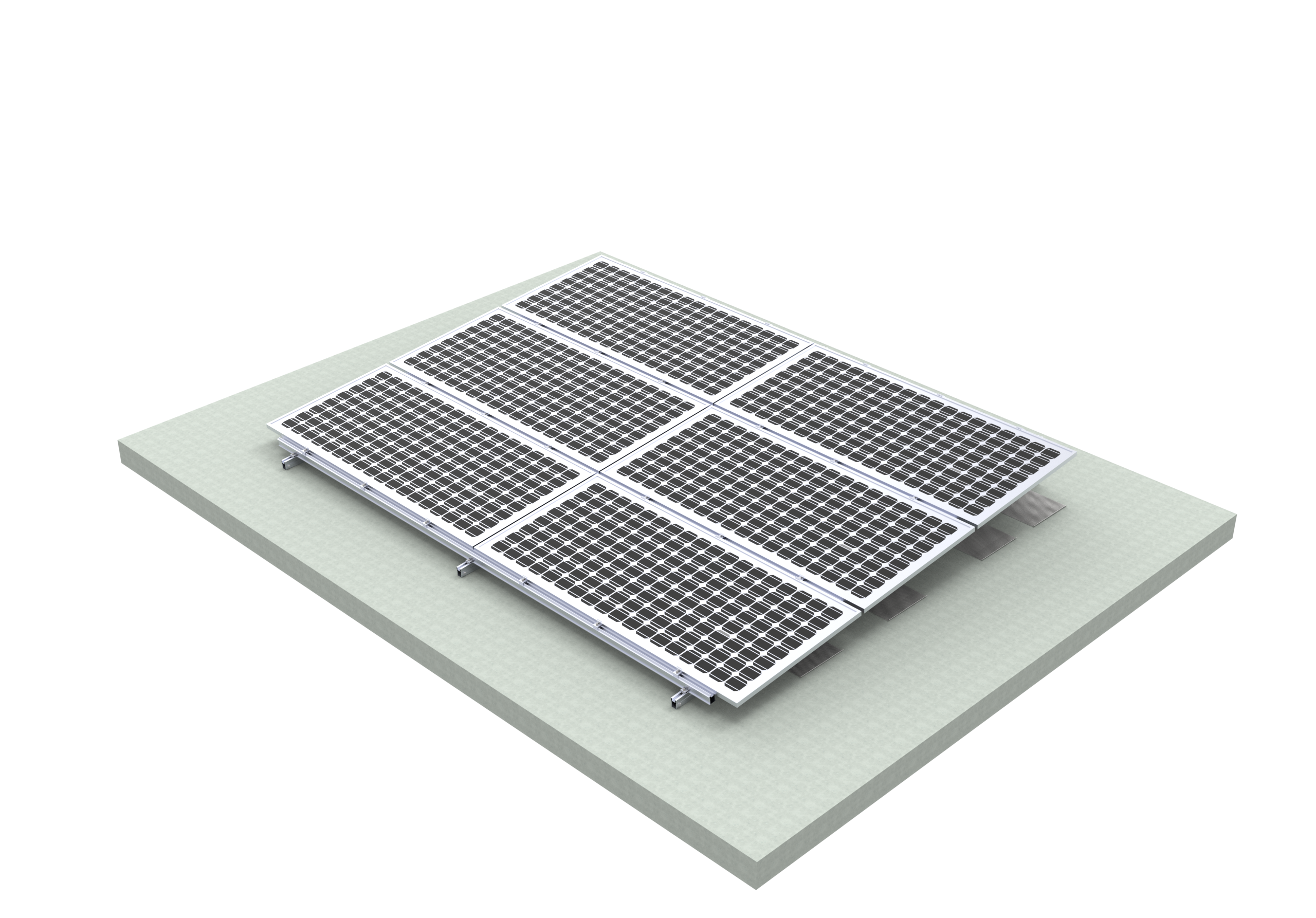
1. Flat / Low-Tilt Mount (0°–10°)
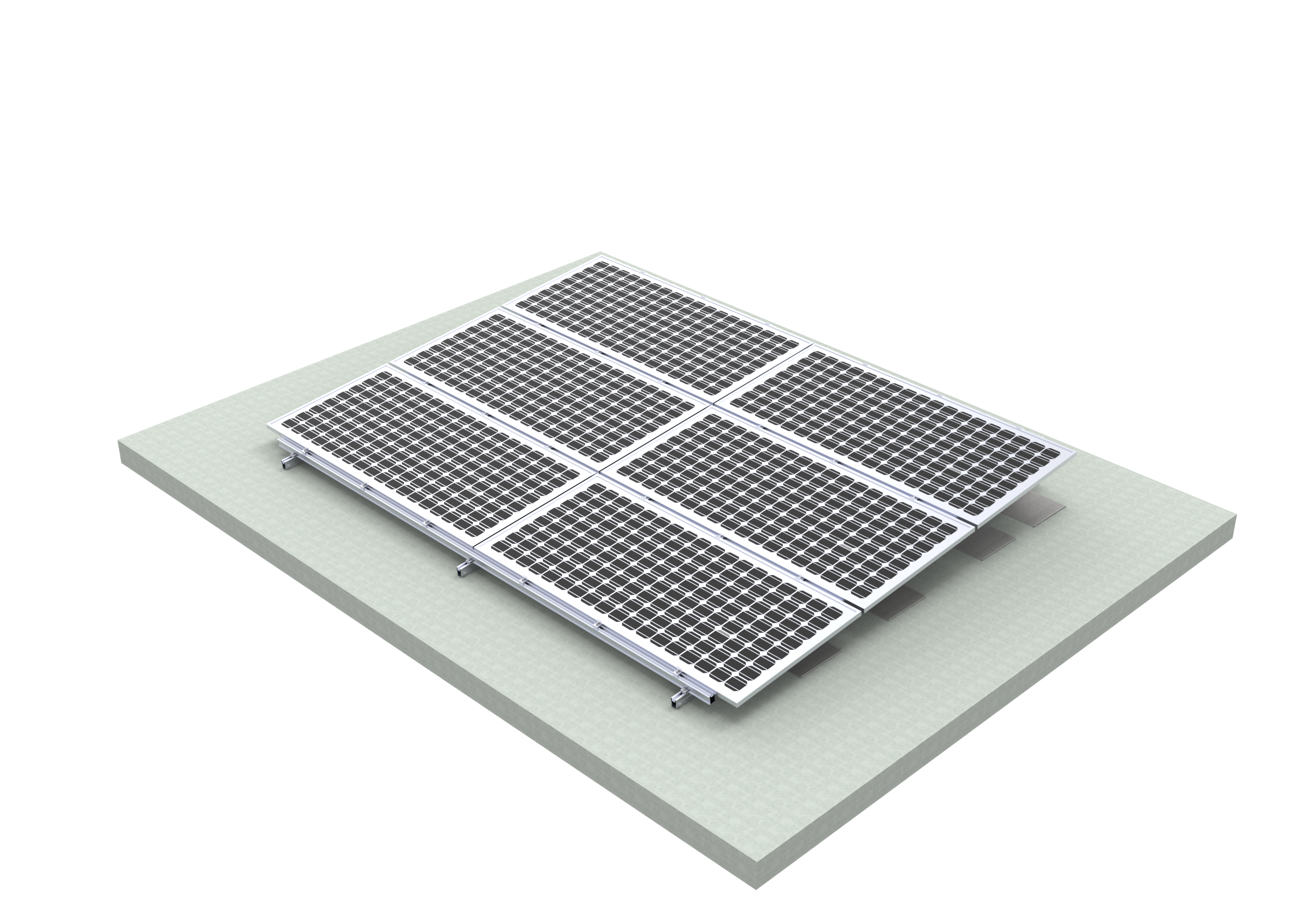
Panels laid nearly flat on the roof using corrugation clamps or L-feet on the roof crown.
Low wind load, good for hurricane/cyclone zones; keeps container stackable
~10–20% lower annual yield vs. optimal tilt; panels can run hotter
Usually clamp-on to roof corrugation peaks — no penetration if using SSMR-style clamps
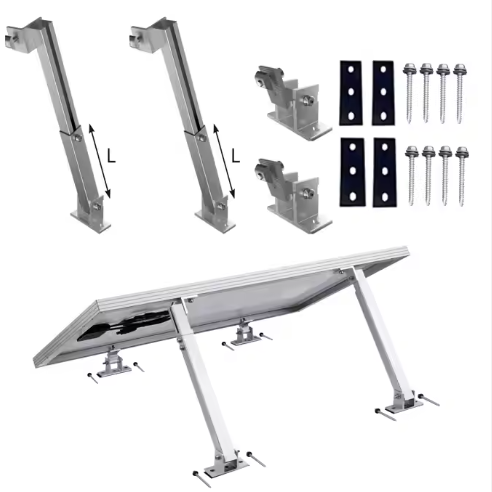
2. Tilt-Frame Mount (10°–35°)
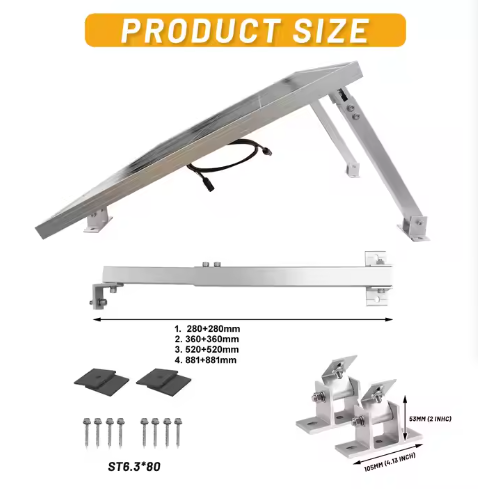
A-frame or triangular legs raise the array's east/west or south/north edge, bolting to the top side rail or corner castings.
Higher energy yield (e.g. 14–16 kWh/day vs. 11–13 kWh/day for same 3.2 kW on 20ft container)
Acts as a sail → must be engineered for local wind uplift (ASCE 7/ EN 1991-1-4/ AS/NZS 1170.2)
Some designs allow folding flat before storms via pinned hinge legs
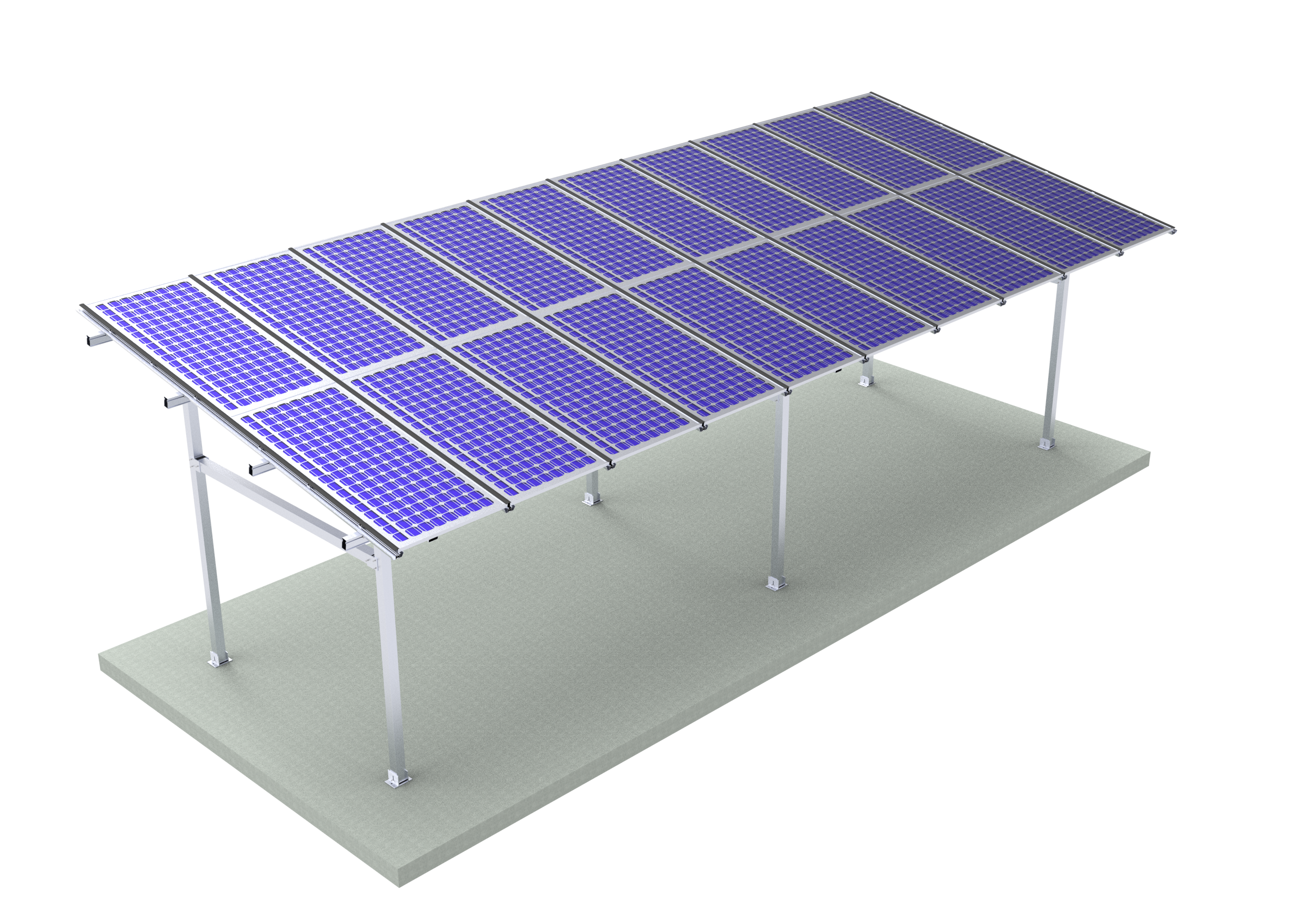
3. Top-Rail / Corner-Casting Frame (Truss/Space Frame)
A rigid frame spans the container, bolted to corner castings + top longitudinal rails, transferring all load to the ISO structure — never to the thin roof sheet.
Safest structurally; portable / relocatable
Allows tilt or flat orientation; can support 6–24 panels on 20ft/40ft containers
Used for off-grid telecom, mining sites, mobile ESS containers
Attachment Methods — Penetrating vs. Non-Penetrating
Method Description Pros Cons
Corrugation Clamp (Non-penetrating)
Grips raised ribs of corrugated roof with set-screws + EPDM pad
No leak risk; fast install
Must not overload thin roof sheet; clamp torque critical
Top Side Rail / Corner Casting Bolt-on
Brackets bolt into container's structural top channel or corner casting hole
Strongest; loads go to ISO frame
Requires access / alignment; minor drilling into rail OK
Self-Drilling Screws into Side/Roof
L-feet screwed through roof plate with butyl + sealant
Cheap; firm
Leak risk if not perfectly sealed; can rust; NOT recommended for long life
Ballasted (with caution)
Concrete/steel weights on rails — rare on containers
No penetration
Adds 500–1000 kg; container roof live load only ~75–150 kg/m² — usually impractical Best practice: Always anchor to the top side rails / corner castings, never rely solely on the thin (≈1.6 mm) corrugated roof plate for structural support.
Typical Capacity & Layout
Container
Approx. Panel Count*
Est. Capacity
20ft (6.06 × 2.44 m)
6–12 pcs (60/72-cell)
2.5–5.5 kWp
40ft (12.19 × 2.44 m)
12–24 pcs
5–12 kWp
Depends on panel dimensions, tilt, and whether panels overhang roof edges (up to ~24" overhang possible with proper rail extension).
Key Engineering Considerations
Wind Load / Uplift: Tilted arrays need engineered footings — typical design 130–160 km/h (80–100 mph) or per local code; cyclone zones require lower-profile or fold-flat designs.
Roof Live Load Limit: Standard ISO container roof ~75–150 kg/m² uniform — verify before adding ballasted or密集 clamp systems.
Thermal Gap: Elevate panels 50–200 mm above roof to allow airflow — reduces cell temp by 10–15°C vs. roof-contact, improving output and lowering interior heat.
Corrosion Protection: Use dielectric isolation (rubber/EPDM) between dissimilar metals; specify anodized Al + SS hardware; coastal sites → 316 SS + thicker anodizing.
Wiring & Access: Leave service walkway; route DC cables down through conduit in corner post or grommeted roof penetration (sealed); consider MC4 accessibility.
Bifacial Panels: Increasingly used — light reflected from white roof / ground boosts yield 5–15%; requires raised framing for rear-side exposure.
Quick Selection Guide
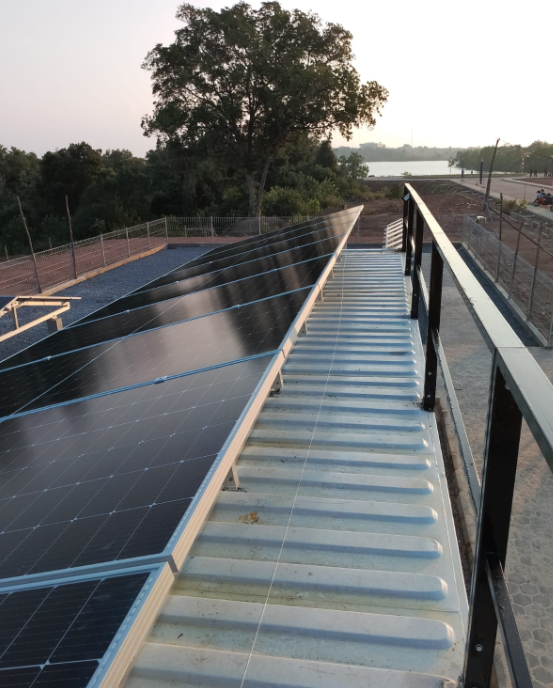
Mobile / relocatable / no-leak priority → Clamp-on rail system anchored to top rails, flat or low-tilt.
Permanent off-grid cabin / max yield → Tilt frame bolted to corner castings/top rails, engineered for local wind.
Hurricane / typhoon zone → Flat mount <10°, or tilt-with-fold-down hinges; avoid high sail area.
Retrofit on leased container (no welding/drill into frame) → Non-penetrating corrugation clamps with verified torque spec.
If you'd like, I can also help with a bill-of-materials estimate, wind-load calc references for your region , or comparison of commercial kit brands (e.g. Egret, Unirac-style, etc.).