what's flat roof triangle solar mount structures?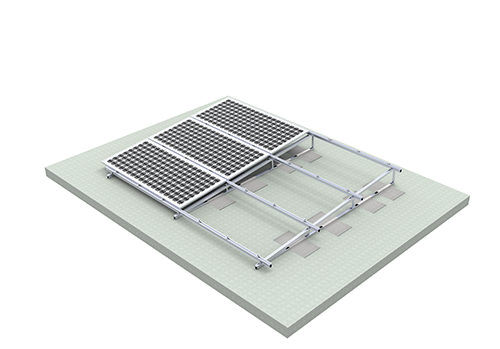
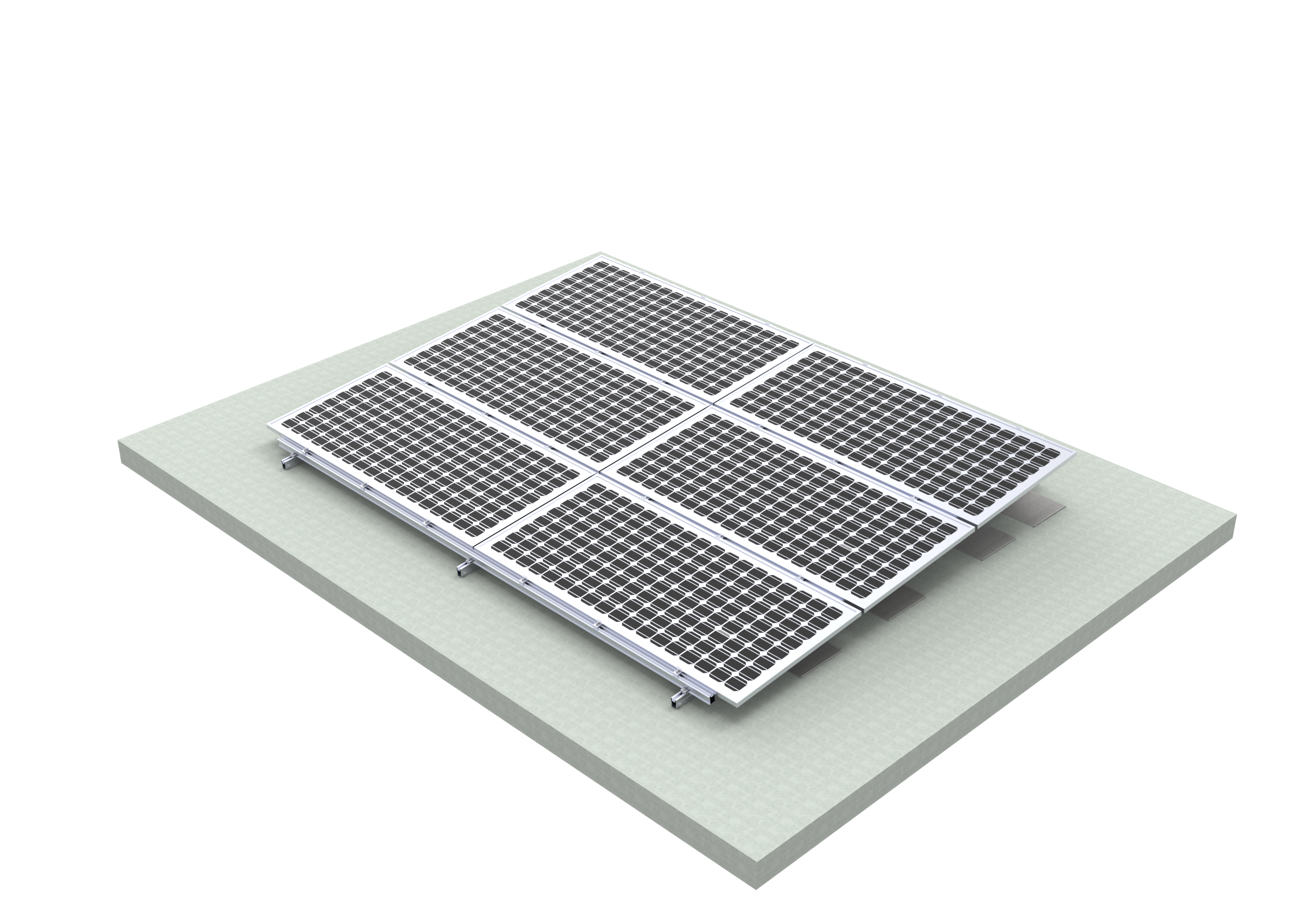
Flat roof triangle (or A-frame/tripod) solar mount structures are essentially the industry standard for getting panels tilted on a flat surface without compromising the roof. Here’s a deeper dive into how they work, their trade-offs, and what to watch out for: 1. Core Structure & Mechanics
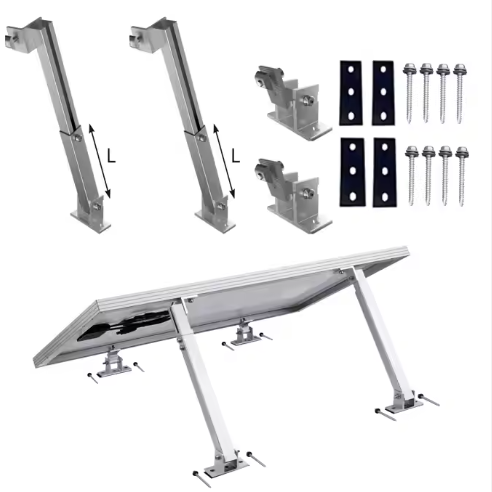
The system relies on basic triangular geometry (the A-frame) to create a fixed or adjustable tilt, usually between 10° and 30° (though some go up to 60°).
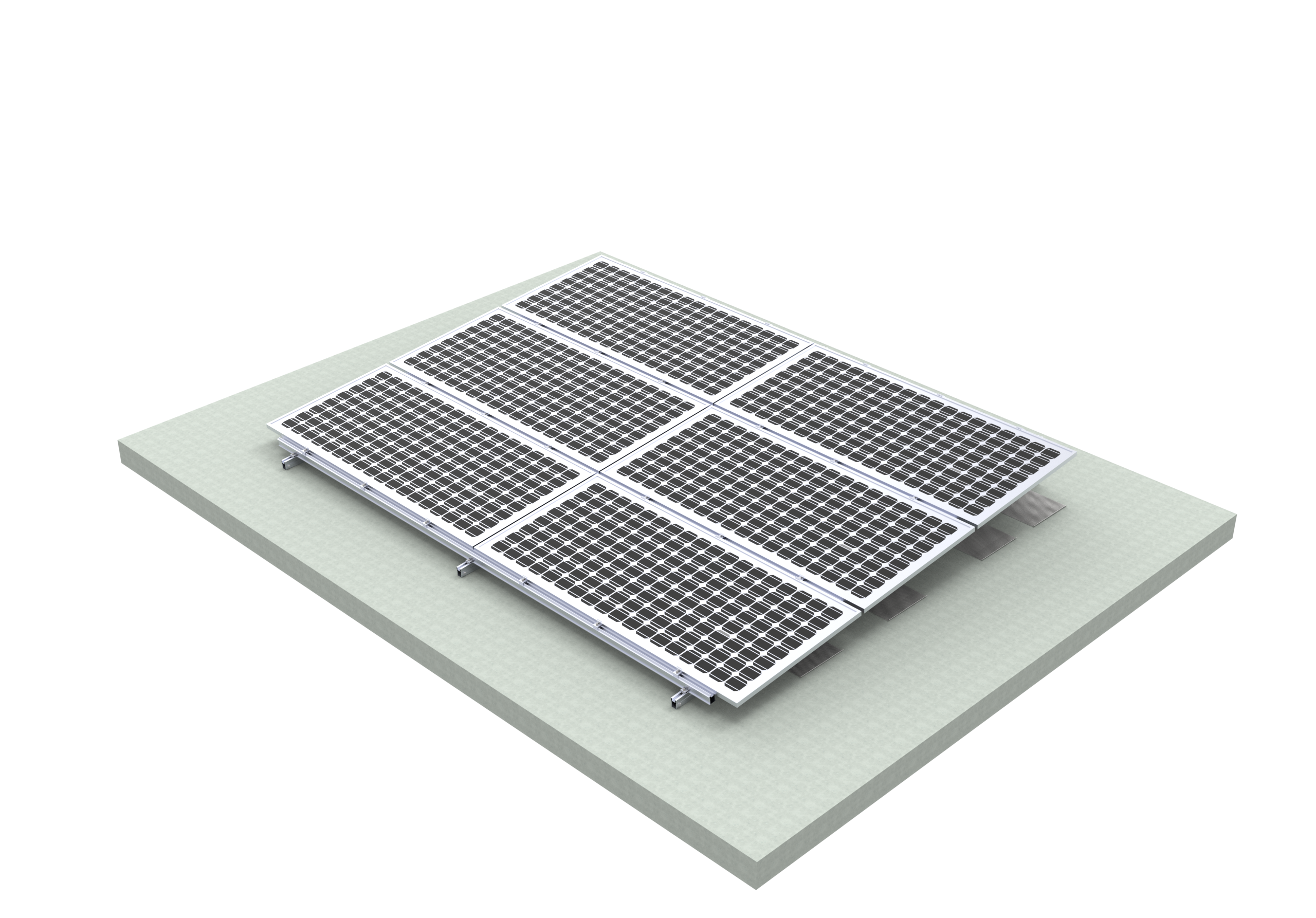
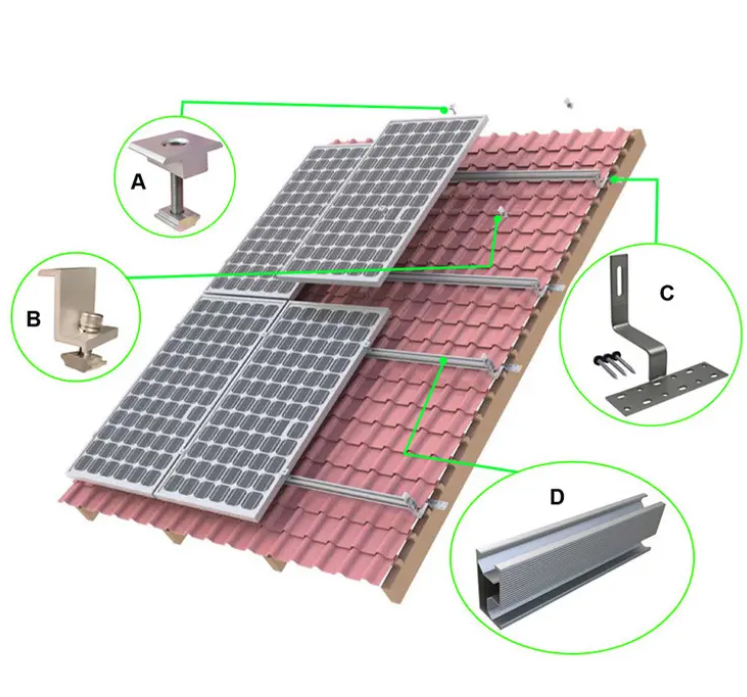
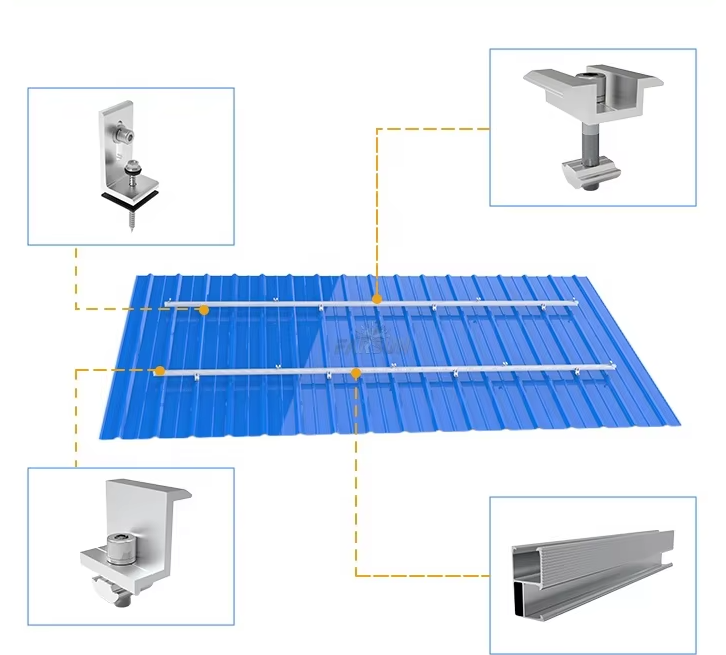
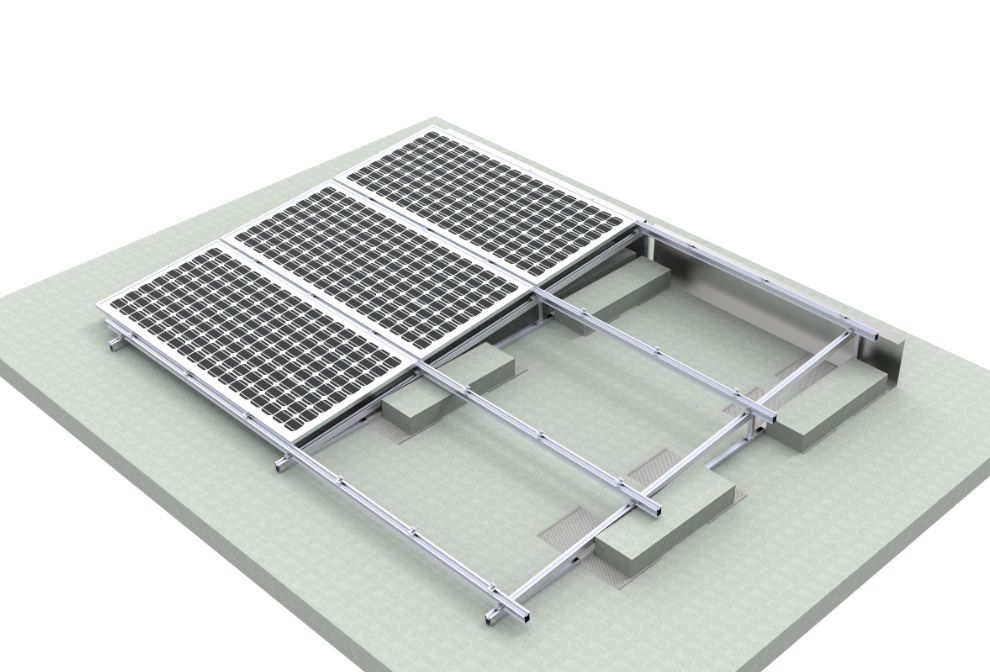
Components: It typically consists of a base frame (sitting on the roof), triangular uprights/A-frames (creating the tilt), and purlin rails (where the panels actually clamp on).
Materials: Almost always AL6005-T5 anodized aluminum alloy (for lightweight strength and corrosion resistance) with SUS304 or 316 stainless steel fasteners.
2. Fixing Methods: Ballast vs. Penetration
This is the biggest design choice, usually dictated by the roof's load-bearing capacity and the building owner's warranty concerns:
Ballasted (Non-penetrating): The structure is held down by weight (concrete blocks, pavers, or specialized trays). This is the gold standard for preserving roof membranes and warranties. It comes in two flavors:
Continuous Ballast: Trays running the length of the base. Distributes weight evenly but is heavier and costlier to transport.
Individual Bases: Separate concrete blocks under each leg. Lighter and easier to handle, but creates "point loads" that require checking the roof's structural integrity.
Mechanical/ Penetrating: Using expansion bolts or chemical anchors directly into the concrete roof deck. Used when the roof can't take the ballast weight, but requires proper flashing to prevent leaks.
3. Pros & Cons
Advantages:
Energy Yield: Tilting panels toward the equator significantly boosts annual production compared to laying them flat, especially in winter or higher latitudes.
Roof Safety: Ballasted versions avoid puncturing the waterproof membrane.
Maintenance: Elevating panels makes it easier to access the roof surface underneath for inspections or repairs.
Stability: The triangle is inherently rigid, distributing wind uplift and snow loads efficiently.
Disadvantages / Trade-offs:
Spacing vs. Yield: A steeper tilt (better for energy) casts longer shadows. To avoid inter-row shading (especially in winter), you must space rows farther apart. This reduces the total number of panels (kW density) you can fit on the roof. A lower tilt (10-15°) packs panels tighter but generates less per panel.
Load Weight: Ballasted systems are heavy. You need a roof survey to ensure the dead load (structure + panels + ballast) doesn't exceed the roof's capacity.
Wind Uplift: While stable, the tilted profile catches more wind than a flat lay-in system, requiring careful engineering of ballast weights or use of wind deflectors/fairings.
4. Engineering & Installation Notes
Load Calculations: Proper design must account for Dead Load (weight), Wind Load (uplift/pressure based on local speed and building height), and Snow Load. Standards like AS/NZS 1170, Eurocode 1, or JIS C 8955are typically followed.
Installation: Most modern systems are pre-assembled (foldable triangles) to cut down on-site labor. The general flow is: layout marking → placing ballast/base → assembling triangles → fixing rails → clamping module