The dual advantages of wind resistance and material reduction have been implemented, and composite supports are accelerating the replacement of steel solutions
Introduction
Under the trend of large-scale photovoltaic power plants and the expansion of offshore distributed projects worldwide, the shortcomings of traditional steel tracking brackets, such as heavy weight, susceptibility to corrosion, and high operation and maintenance costs, are gradually becoming prominent. Carbon fiber composite materials, with their core characteristics of lightweight, high strength, salt spray resistance, and structural stability, have begun to deeply enter the field of photovoltaic tracking brackets. This article breaks down the upgrade value and promotion difficulties of carbon fiber scaffolds from the application pain points, material adaptation logic, landing scenarios, and industry commercialization status.
1、 Pain points in the core application of traditional steel brackets
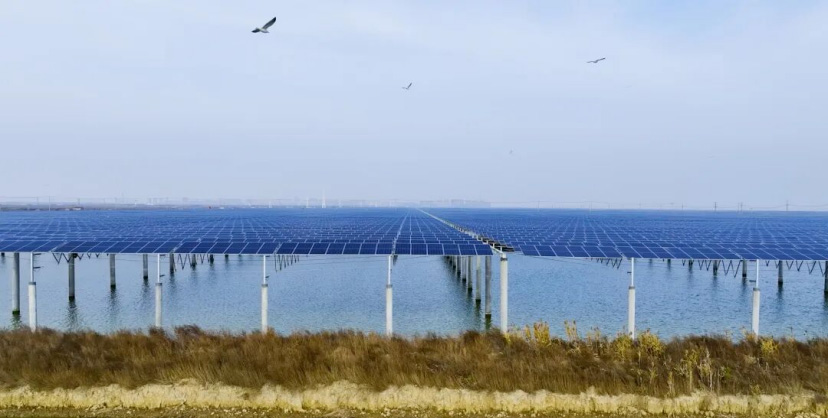
Onshore centralized photovoltaic and offshore mudflat photovoltaic projects have been exposed to strong wind, temperature difference between day and night, humid and saline environment for a long time.
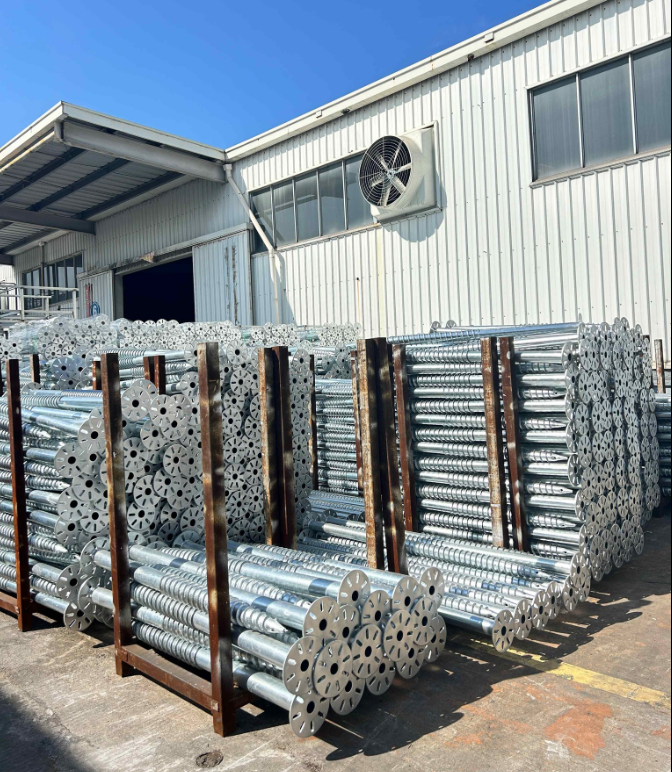
The weight of steel is relatively large, and the cost of pouring a single set of support foundation is high. The construction difficulty is high in complex terrain such as mountains and hills, and the overall civil construction cost accounts for a high proportion.
Long term outdoor service is prone to rusting and deformation, and under conditions of wind, sand, and strong winds, the bracket shakes greatly, leading to a decrease in tracking accuracy and directly affecting the power generation efficiency of photovoltaic modules.
The frequency of rust removal, anti-corrosion spraying, and parts replacement and maintenance in the later stage is high, and the comprehensive cost of the entire life cycle continues to rise.
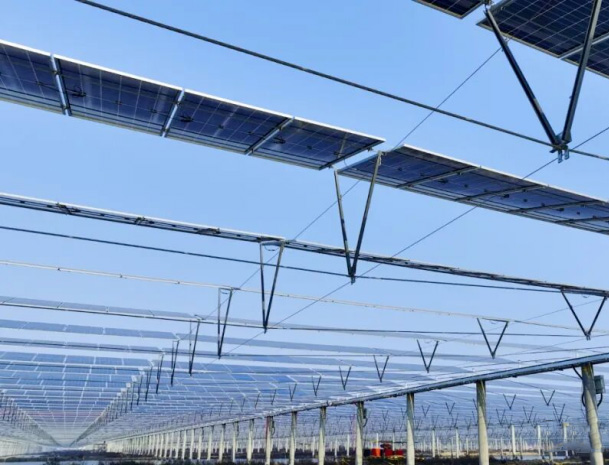
2、 Carbon fiber composite bracket: dual technological advantages of weight reduction and wind resistance
Carbon fiber multi axial fabric combined with corrosion-resistant resin integrated molding, targeted filling of steel material shortcomings:
Weight reduction and efficiency increase: under the same structural strength, the weight of the carbon fiber support is only about 1/4 of the steel, and the foundation load pressure is significantly reduced. There is no need to strengthen the foundation with high strength in mountainous areas and mudflat. The construction period is shortened, and the initial capital investment is significantly reduced.
Wind resistant stability: The high modulus carbon fiber structure has excellent bending resistance and fatigue resistance, with smaller deformation amplitude in areas prone to strong convection and typhoons, ensuring precise alignment of the photovoltaic tracking system and improving the utilization rate of light energy.
Long term anti-corrosion: The composite material itself is non-conductive, resistant to acid, alkali, and salt spray erosion, suitable for harsh environments in coastal and saline alkali areas, greatly extending the service life of the bracket and reducing outdoor maintenance frequency.
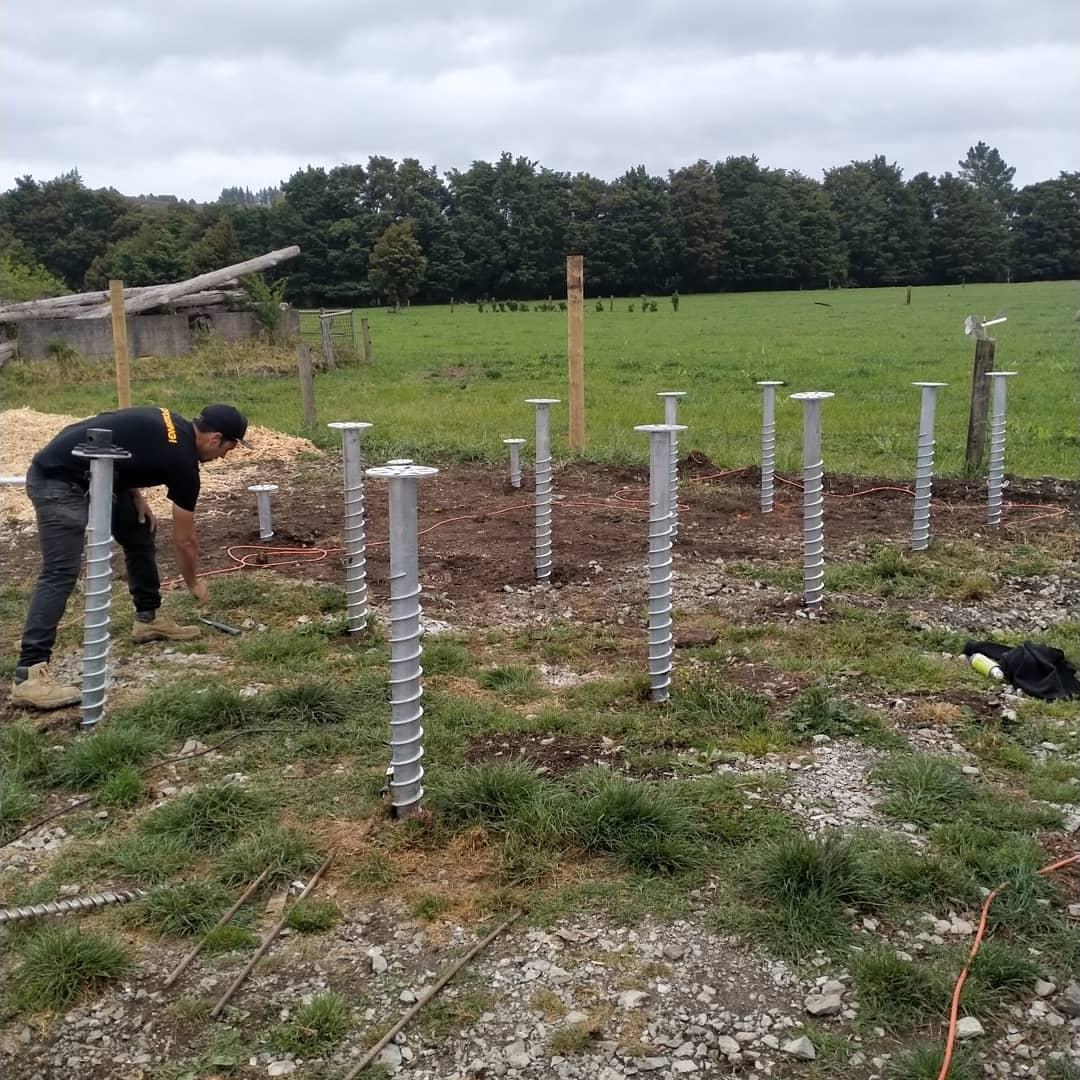
3、 Key landing adaptation scenario segmentation
Mountain and hilly photovoltaic power station: The terrain is undulating and transportation is inconvenient. Lightweight carbon fiber supports are easy to disperse and lift, suitable for scattered land development, and reduce the threshold for mountain photovoltaic construction.
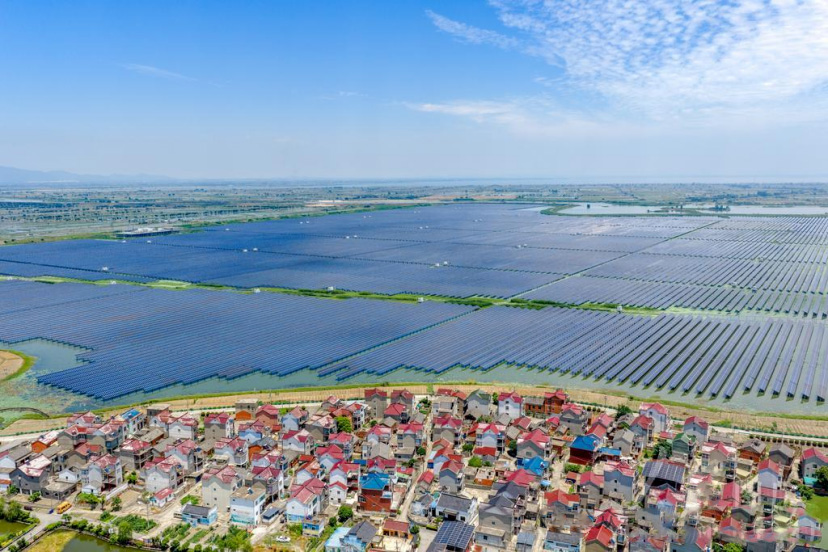
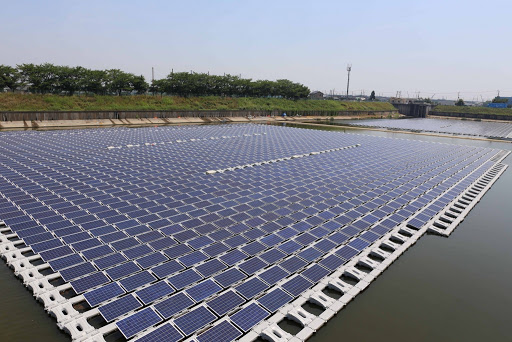
Complementary project of offshore mudflat and fishing and lighting: facing the high humidity and sea salt corrosion environment, relying on the advantages of corrosion resistance, the problem of rapid aging of traditional steel is solved.
Large centralized wind and photovoltaic supporting base: Under the large-scale contiguous layout, the lightweight characteristics can optimize the overall load and improve the overall structural stability of the power station.
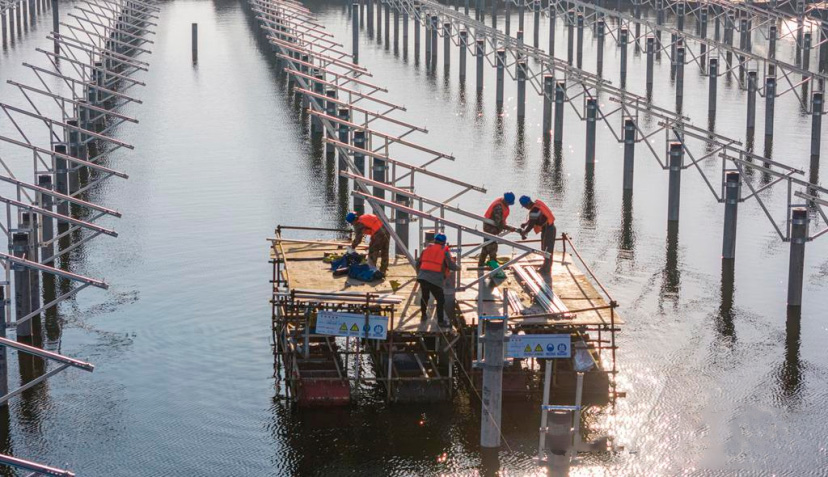
4、 Existing bottlenecks and future development trends in the industry
At present, the large-scale promotion of carbon fiber photovoltaic brackets is still constrained by two major factors: the high pricing of upstream high-end carbon cloth raw materials, resulting in higher single piece manufacturing costs than ordinary steel; At the same time, there is currently no unified mechanical testing, installation and acceptance standard for composite supports in the industry, and investors in small and medium-sized power stations are adopting a wait-and-see attitude.
In the long run, with the release of domestic large bundle carbon fiber production capacity and optimization of composite forming processes, costs will continue to decline. Combined with the policy orientation of lightweight photovoltaics, carbon fiber tracking brackets are expected to become the mainstream upgrade direction for segmented tracks.