
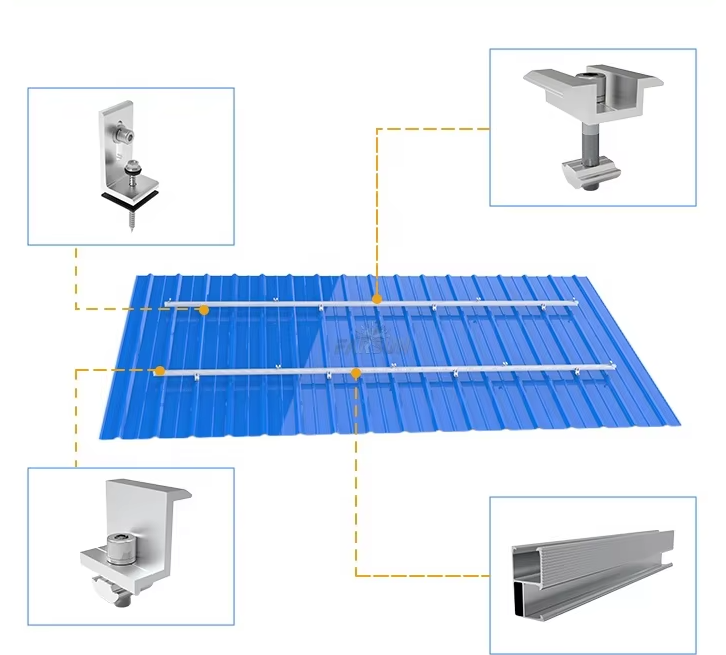
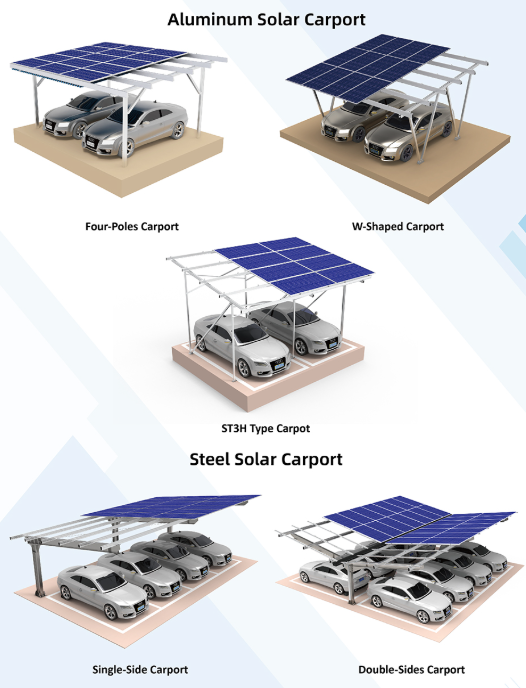
How to Install L feet metal roof solar mounting structures?
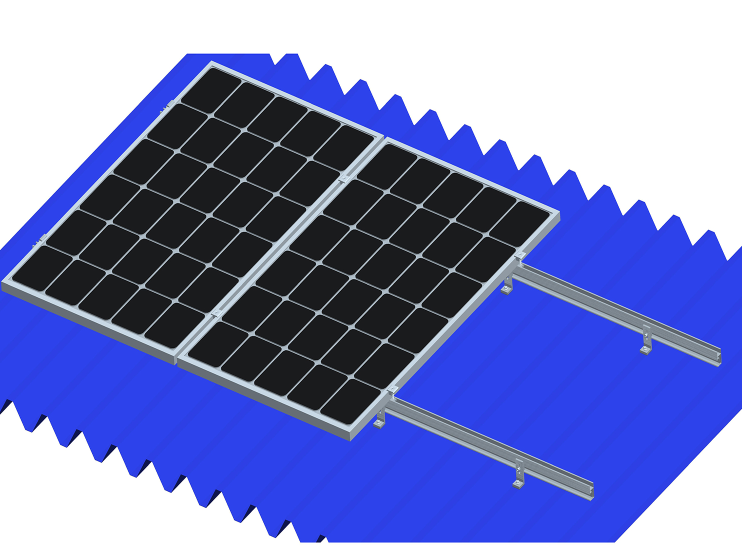
Installing L feet brackets is a common method for mounting solar panels on metal roofs (especially corrugated or trapezoidal types). Here is a detailed guide on how to install them correctly and safely.
Preparation and Safety
Tools: Impact driver, drill, torque wrench (typically for 5–8 N·m), 6mm Allen key, measuring tape, and chalk line.
Materials: L feet brackets (usually AL6005-T5 aluminum), self-tapping screws with EPDM washers, stainless steel bolts (M8), and sealant if needed (e.g., butyl tape).
Step-by-Step Installation
1. Plan and Mark the Layout
Use a chalk line to mark the rail positions on the roof.
Identify the locations of the structural purlins or rafters underneath the metal sheets. It is crucial to anchor the L feet into these structural supports to handle wind loads and panel weight.
2. Position the L Feet
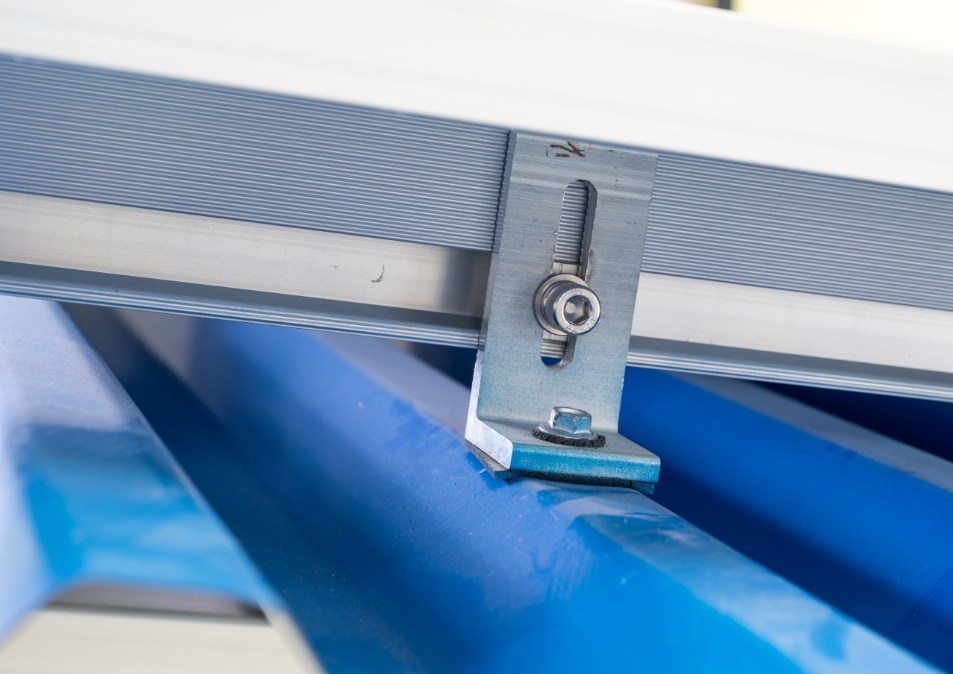
Important: For corrugated or trapezoidal roofs, always install the L feet on the crest (high point) of the ribs. This prevents water pooling and ensures a more stable base.
Ensure the bracket is oriented correctly so the rail will align with your panel layout.
3. Secure the Brackets
The screws should have EPDM washers pre-attached. These washers compress to create a watertight seal.
Tighten the screws to the manufacturer’s recommended torque (usually around 15–17 N·m or as specified) using a torque wrench. Do not over-tighten, as this can damage the roof or squeeze the washer too much.
If the EPDM pad under the L foot is not sticky, you can apply a small amount of neutral cure sealant to ensure it stays in place and enhances waterproofing.
4. Install the Rails
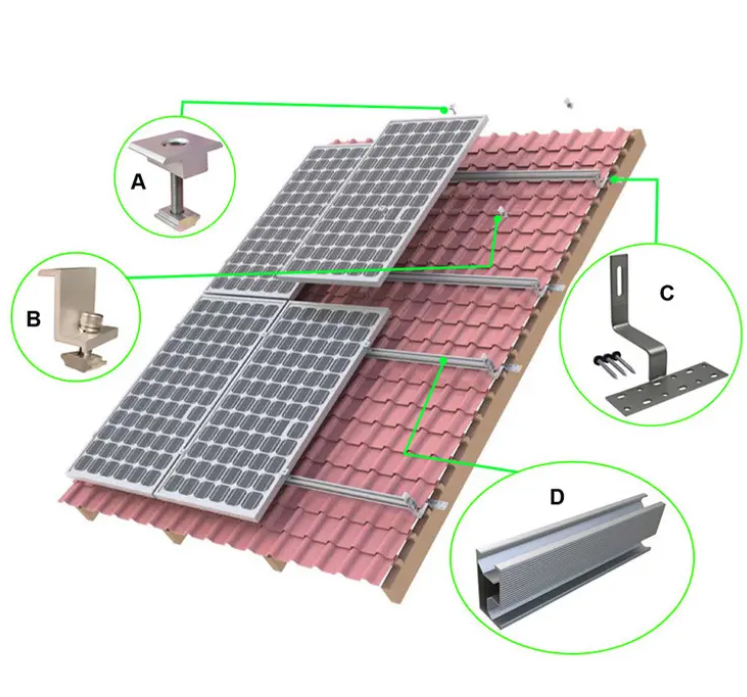
Insert the T-bolts or hex bolts into the rail’s slot and align them with the holes in the L feet.
Tighten the nuts to secure the rail. Use a string line or level to ensure the rails are perfectly straight and parallel.
5. Connect Rail Segments (If Needed)
Slide the splice into the ends of two adjoining rails and bolt them together securely.
6. Grounding
7. Panel Installation
Use mid clamps to secure panels between each other and end clamps at the ends of the rows.
Tighten the clamps to the specified torque, being careful not to crack the panel frames.
Best Practices & Tips
Check Torque: After installation and after the first heavy storm or high winds, re-check all bolt torques to ensure nothing has loosened.
Standing Seam Roofs: If you have a standing seam metal roof, consider using standing seam clamps instead of L feet. These clamp onto the seams without penetrating the roof, preserving the warranty and waterproofing.