
How to install short rail solar mounting structures?
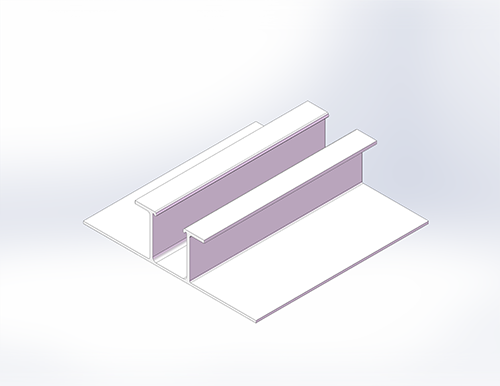
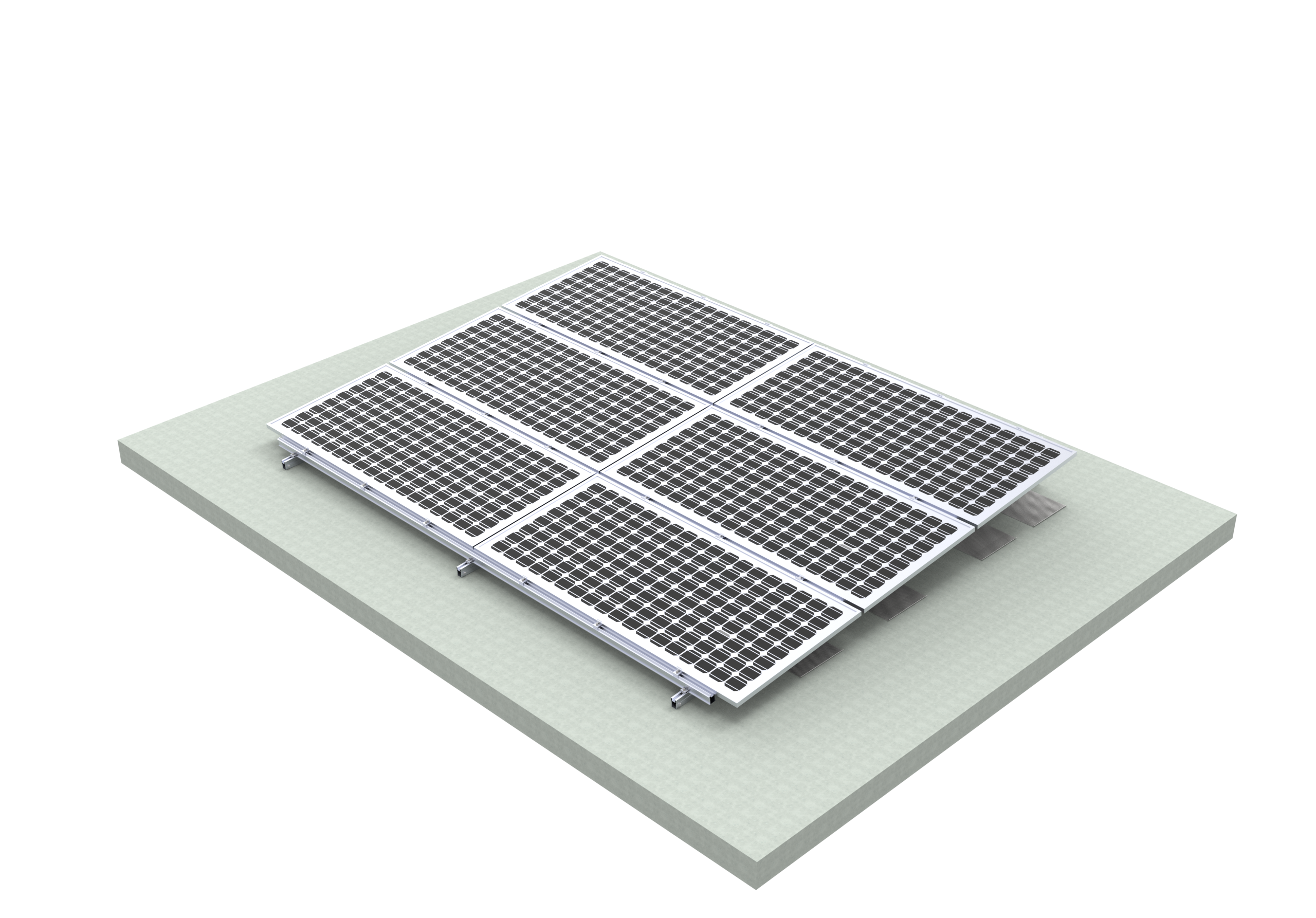
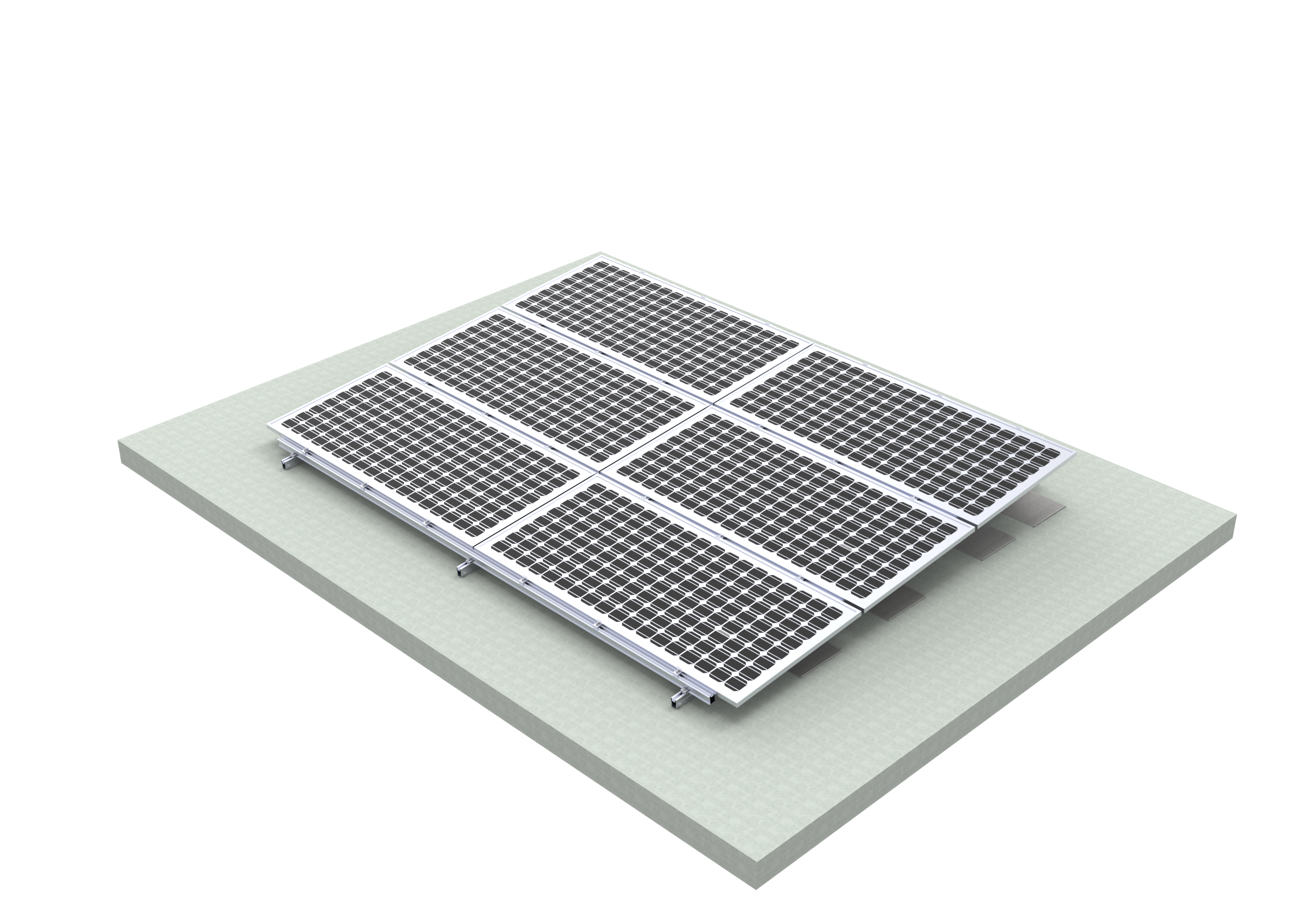
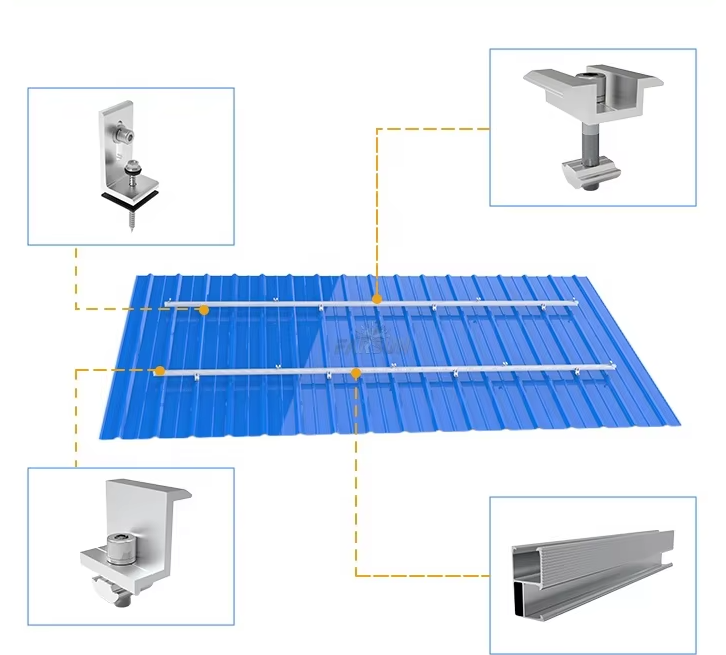
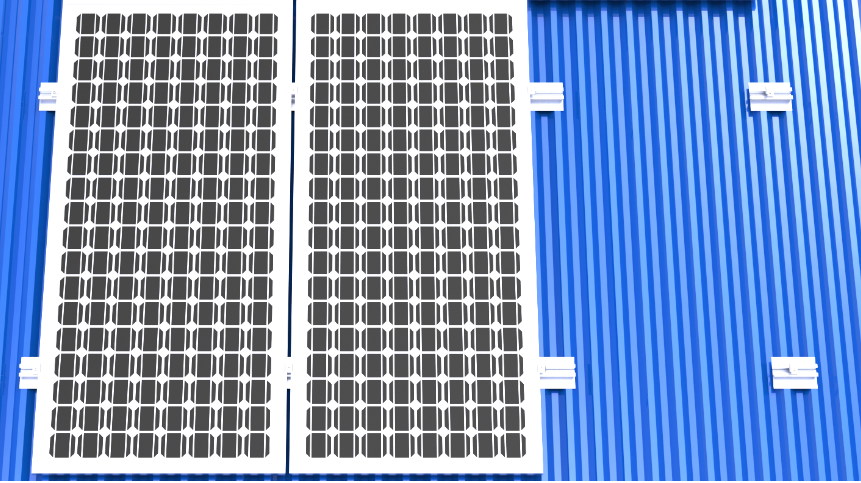
The core logic of installing short rails (also known as mini rails) is to divide the whole into parts: replacing traditional long guide rails with multiple independent short aluminum segments. These segments are directly fixed to roof load-bearing points (such as color steel sheet wave peaks or concrete embedded parts), and then the components are locked onto the short rails. Below is the standard installation procedure and key considerations:
1. Pre-planning and Layout Marking
Layout Confirmation: Determine the installation positions of the short rails based on component dimensions (typically 2-4 short rails per panel) and roof structure (e.g., color steel sheet wave peak locations, purlin spacing).
Marking and Positioning: Use measuring tools and chalk lines to mark each short rail's fixing position on the roof, ensuring the array is level and plumb, with all fixing points located on the roof's load-bearing structures.
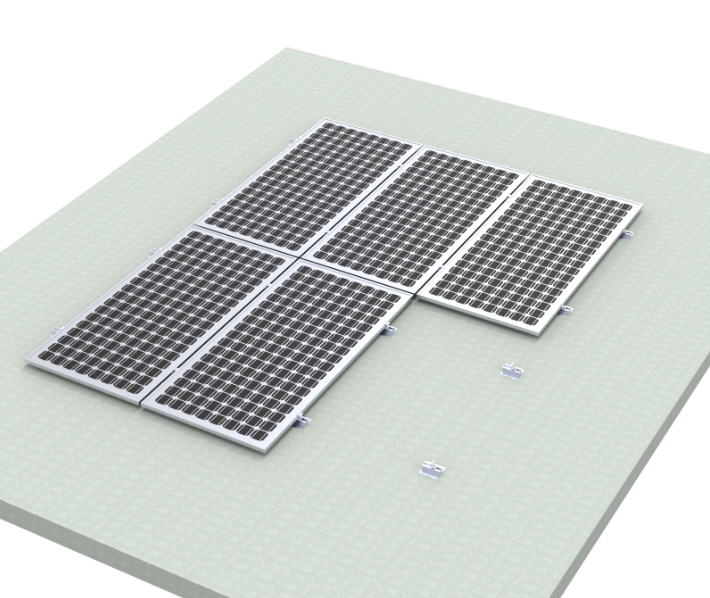
2. Fixing the Short Rail Base
Alignment: Temporarily place the short rail on the marked point, ensuring precise alignment with the color steel sheet wave peak (high ridge) or concrete beam location; avoid fixing on wave valleys or suspended thin sections of the panels.
Waterproofing Treatment: Most short rails have built-in EPDM rubber pads at their base. If not, manually lay rubber gaskets or apply sealant to ensure a waterproof barrier when compressed.
Tightening: Use relative stainless steel self-tapping screws (self-drilling screws) or expansion bolts to penetrate the short rail mounting holes and secure them directly into the roof substrate. Control torque during tightening to moderately compress the rubber pad for a seal without over-tightening, which could damage the corrugation or cause screw slippage.
3. Installing Photovoltaic Components
Panel Placement: Lift and position the first photovoltaic panel onto the fixed short rails.
Securing:
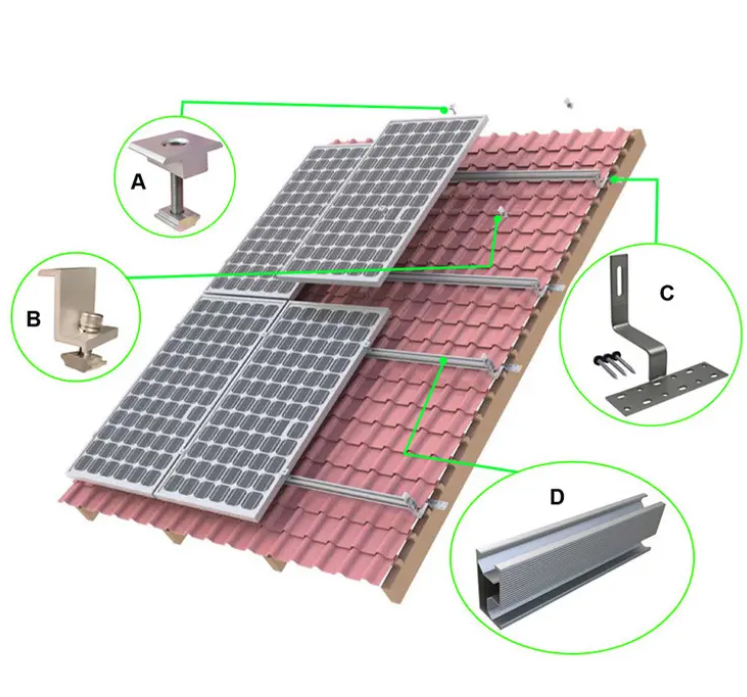
Use End Clamps to fix the side edges of individual components.
For horizontally series-connected multiple components, use Mid Clamps in the gaps between adjacent components to simultaneously secure the frames of two components.
Adjust component gaps uniformly (typically 3-5mm), then fully tighten the bolts of the clamps (usually M8 or M6).
4. Grounding and Inspection
Equipotential Bonding: Install grounding lugs and bonding jumpers in accordance with electrical regulations to ensure electrical continuity between tracks and connection to the building's grounding system.
Final Inspection: Recheck all screw torques, clamp tightness, absence of hidden cracks in components, and clean up site debris.
Key Considerations
Load Risk: Short rails provide 'point support' with concentrated loads. In typhoon-prone areas or regions with heavy snow loads, strictly increase short rail density or use longer screws according to structural calculations to prevent pull-out or tearing of color steel sheets.
Unrecommended Scenarios: Large flat roofs (generally more suitable for the triangular bracket structure previously inquired about) or old, thin-walled color steel sheet roofs. It is recommended to prioritize long rails or clamp-on (non-penetrating) solutions instead.