
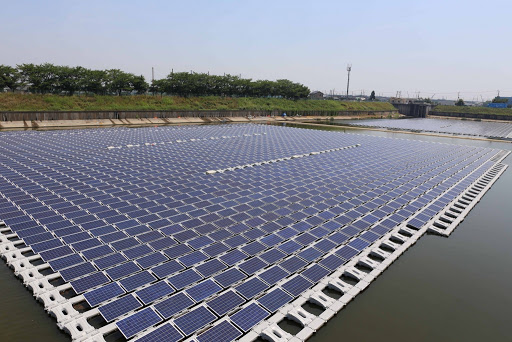
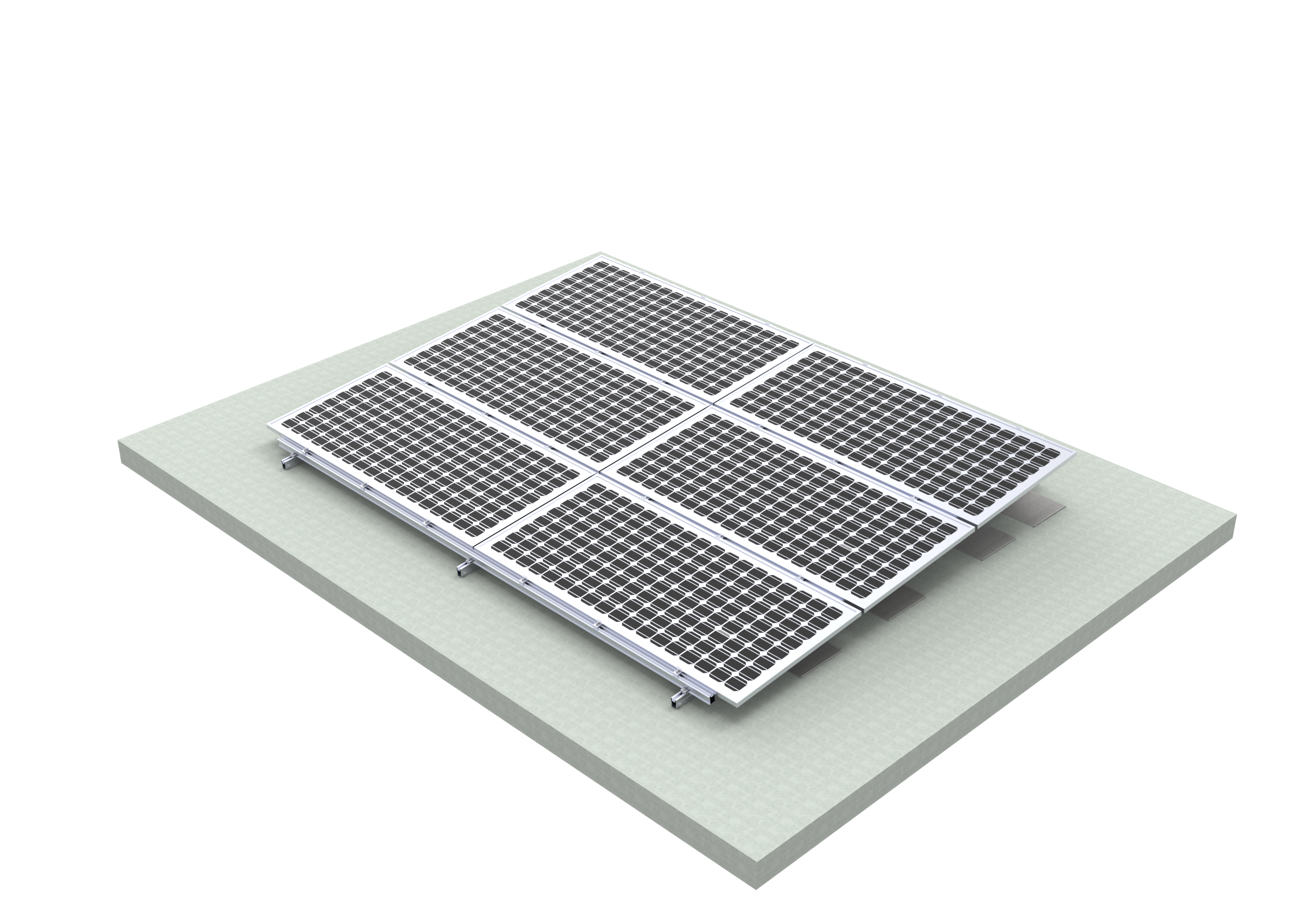
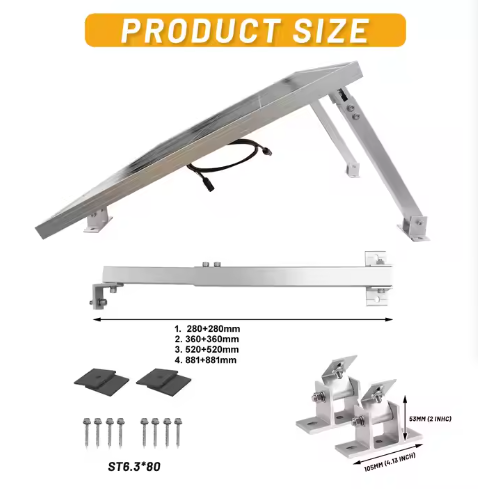
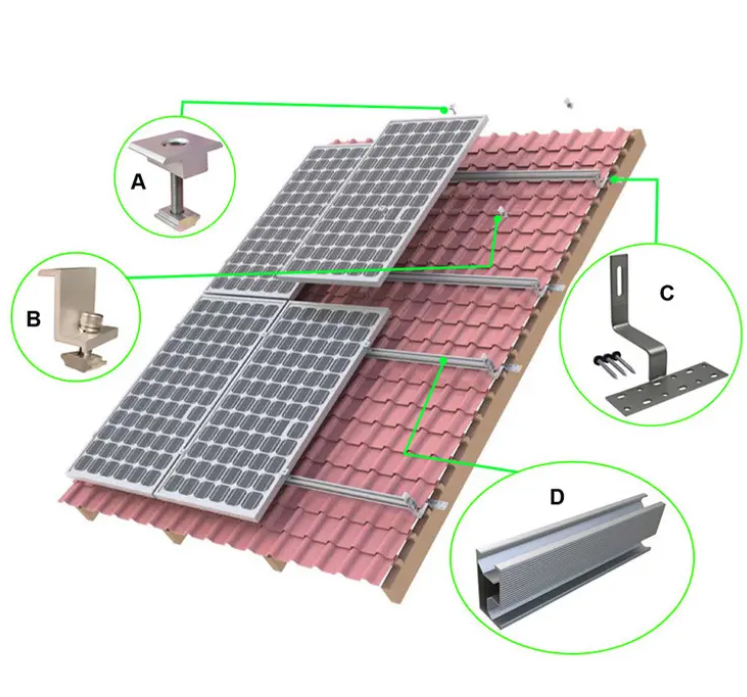
What's aluminum ground solar mounting structures?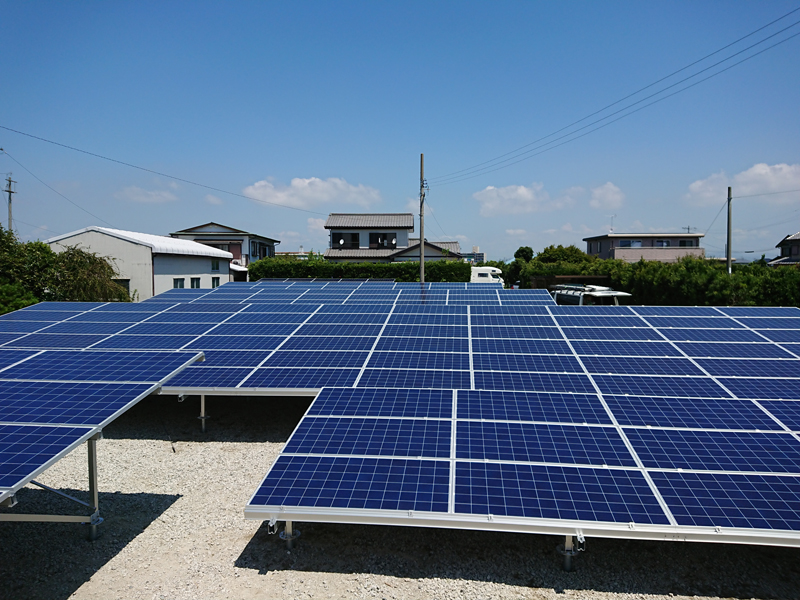
What Are Aluminum Ground Solar Mounting Structures?
Angulation: Tilting panels to the optimal angle (typically equal to the site's latitude) for maximum sun exposure.
Load Resistance: Withstanding environmental forces like wind shear, snow load, and seismic activity.
Key Components of a System
Component | Function | Common Material / Spec |
|---|---|---|
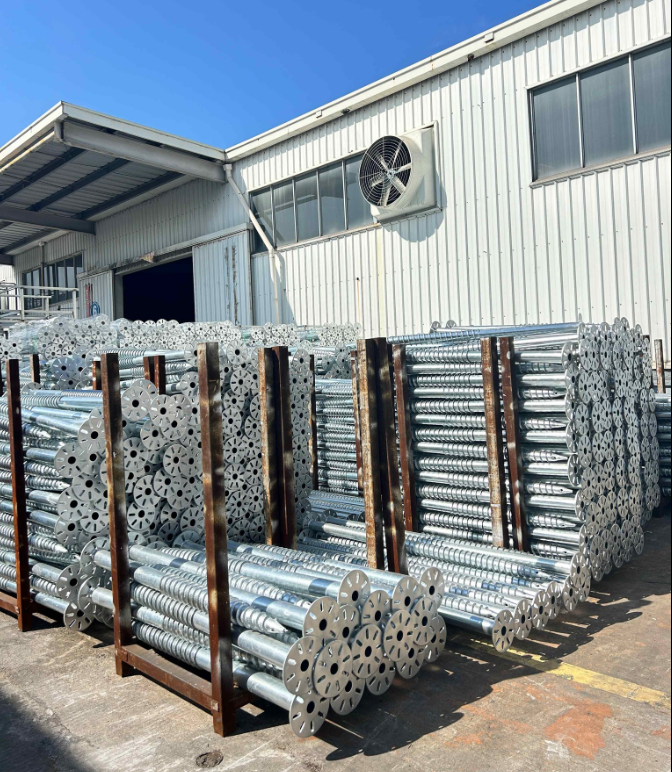
Foundations | Anchors the entire system to the ground. | Helical Piles (Screw Piles), Concrete Piers, or Ground Screws. |
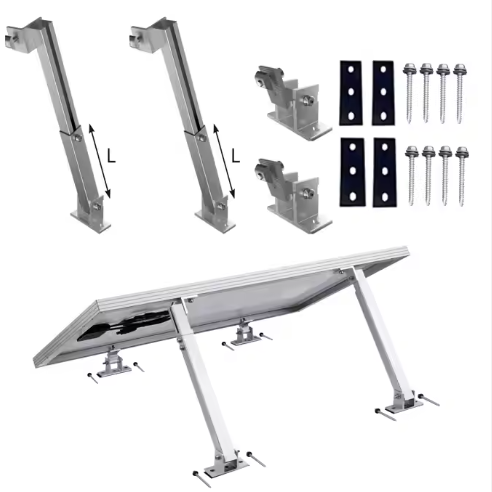
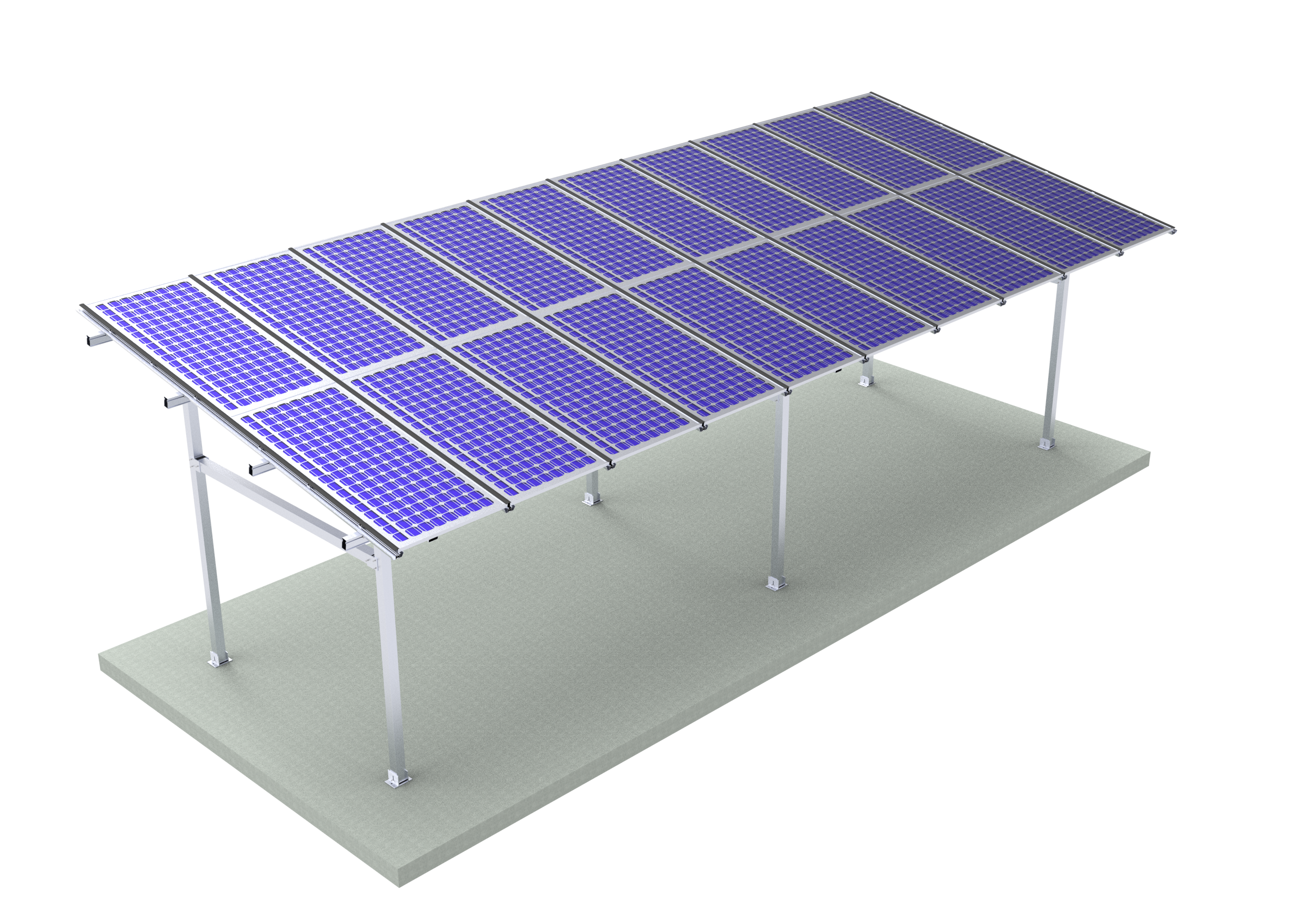
Posts / Legs | Vertical supports driven into the foundation. | AL6005-T5, often with adjustable base plates for height correction. |
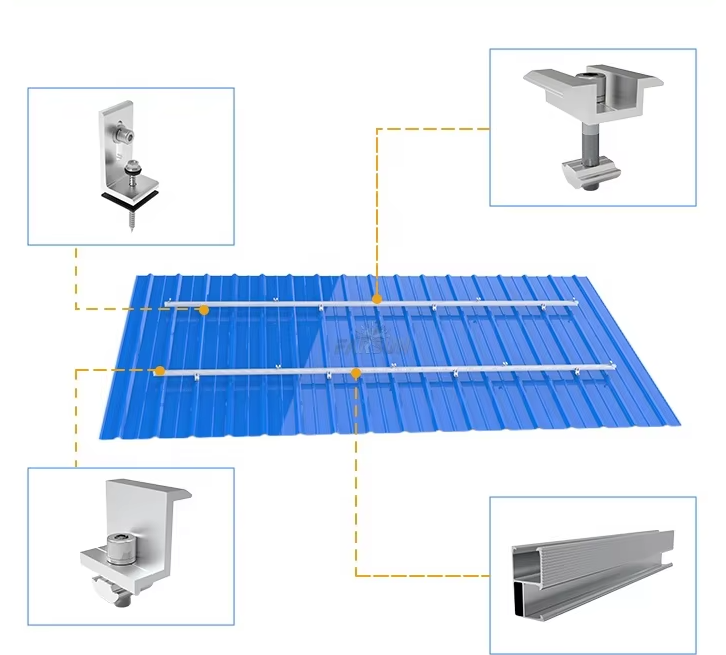
Main Beams (Rails) | Horizontal or tilted members that form the "roof" of the structure. | Extruded AL6005-T5 rails (often with T-slots for clamps). |
Bracing / Struts | Diagonal supports forming a triangle (the strongest shape). | Aluminum tubes or C-channels to prevent racking movement. |
Module Clamps | Secure the solar panels to the rails. | Mid-clamps (between panels) and End-clamps (at row edges). |
Hardware | All connecting elements. | Stainless Steel 304/316 bolts, nuts, and washers (to prevent galvanic corrosion). |
Why Choose Aluminum Over Galvanized Steel? (The Core Advantages)
1. Superior Corrosion Resistance (The #1 Reason)
vs. Steel: Galvanized steel relies on a zinc coating. If that coating is damaged during installation (e.g., a dropped drill bit chips the zinc), the steel beneath will rust aggressively, especially in coastal or industrial zones.
Best For: Coastal areas (salt spray), farmland (fertilizer ammonia), and high-humidity regions.
2. Radically Lightweight
Impact: This reduces shipping costs significantly. More importantly, installation crews can hand-carry components into the field without cranes or forklifts, cutting labor time by 30–50%.
3. Installation Speed ("Plug-and-Play")
Modern aluminum systems are pre-assembled in factories.
They use bolt-together connections (T-slot nuts) instead of requiring on-site welding. No welding means no grinding, no sparks, no quality control checks for weak welds, and no curing time. You can install a 10kW system in a single day with 2 people.
4. Non-Magnetic & Electrically Conductive
Common Structural Designs
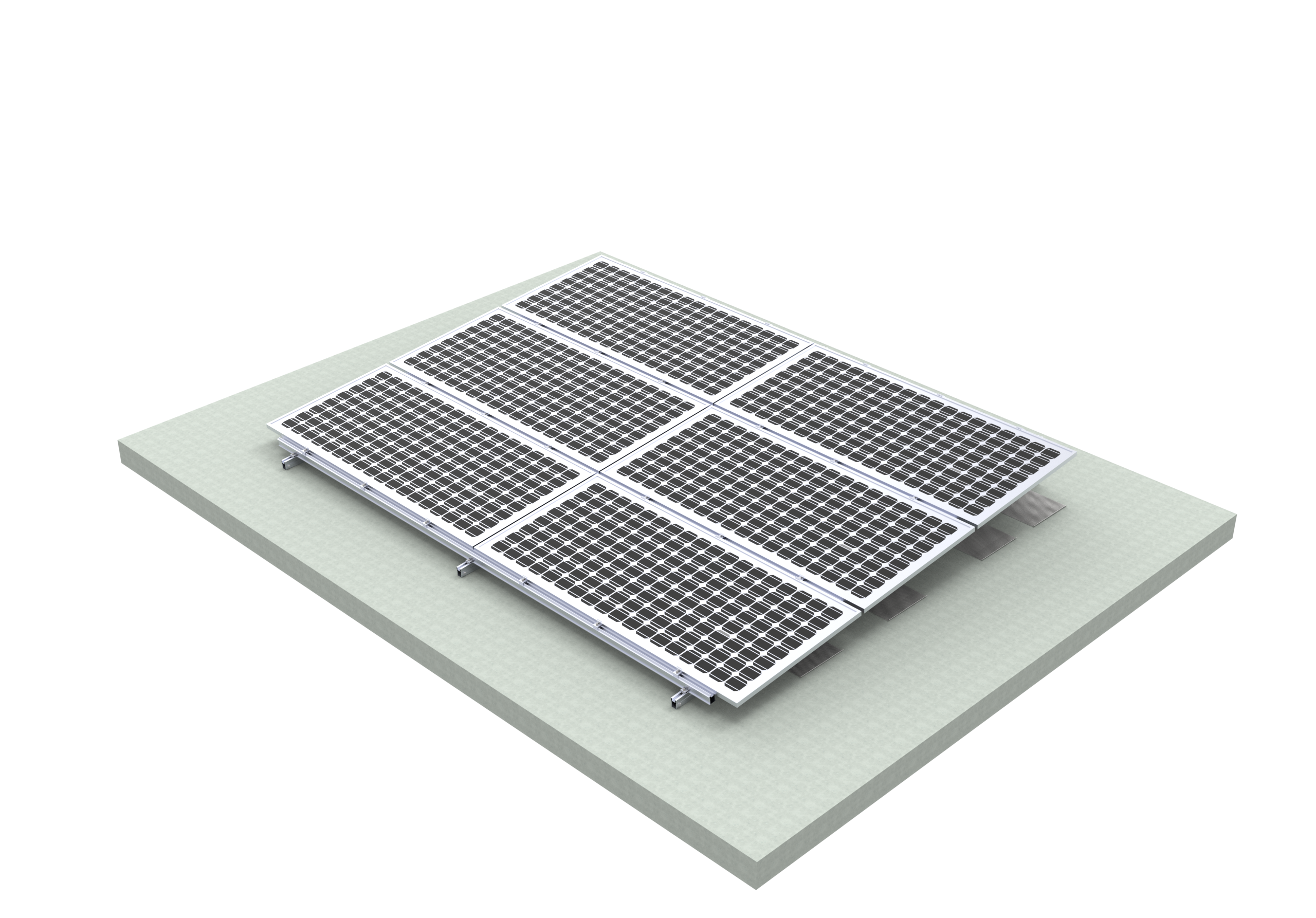
A. Fixed-Tilt (The Most Common)
The array is set at a fixed angle (e.g., 20° or 30°) year-round.
Structure: Usually an A-Frame or V-Frame design for stability.
Pros: Simple, cheapest per-watt, extremely reliable.
Cons: Cannot track the sun.
B. Adjustable-Tilt / Seasonal Tilt
Pros: Can gain 5–15% more annual energy yield over fixed-tilt in higher latitudes.
(Note: Full Single-Axis Trackers are rarely made of aluminum due to the torsional stress; they typically require steel cores with aluminum rails).
Critical Installation Considerations
Prevent Galvanic Corrosion: While the structure is aluminum, the foundation screws/piles are often steel. Always use Isolation Pads (PTFE/EVA washers) between the aluminum post and the steel pile plate. Also, use Stainless Steel (SS304/316) bolts, never zinc-plated carbon steel bolts directly into aluminum.
Torque Control: Aluminum threads strip easily. Always use a torque wrench and follow the manufacturer's spec (typically 8–12 N·m for M8/M10 bolts). Over-tightening cracks the oxide layer and can seize the bolt.
Grounding Lugs: Even though aluminum conducts, electrical codes require a dedicated UL-listed grounding lug bonded to the rail, connected to a copper wire that ties into the main ground rod.
When to Specify Aluminum vs. Steel
Project Scenario | Recommended Material | Reason |
|---|---|---|
5MW Farm in Arizona Desert | Hot-Dip Galvanized Steel | Steel is cheaper for high volumes; wind loads are extreme. |
200kW Farm 500m from the Ocean | Aluminum | Salt spray will destroy galvanized steel in <5 years. |
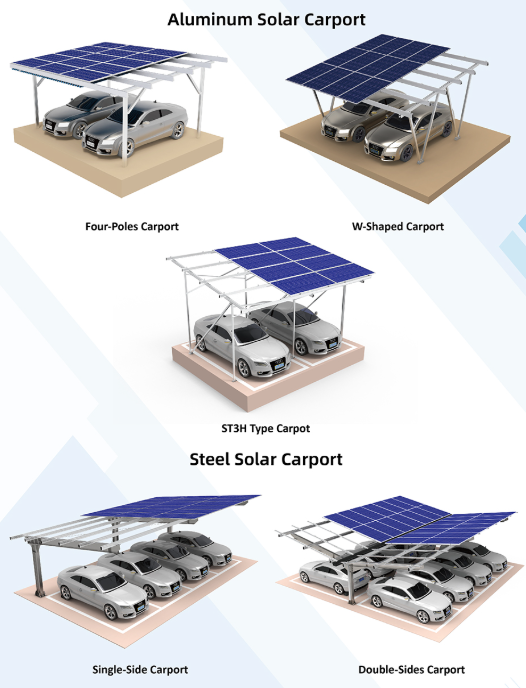
Rooftop Carport (on a warehouse roof) | Aluminum | Roof weight limits are critical; aluminum is lighter. |
Agri-PV (Panels over crops/livestock) | Aluminum | Ammonia from fertilizer/manure is highly corrosive to zinc. |
Remote location, no crane access | Aluminum | Helicopter/cart-in logistics favor lightweight materials. |