What Is a Tripod Solar Mounting System?
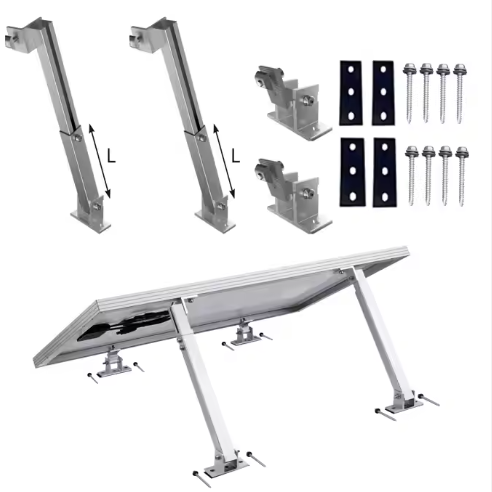
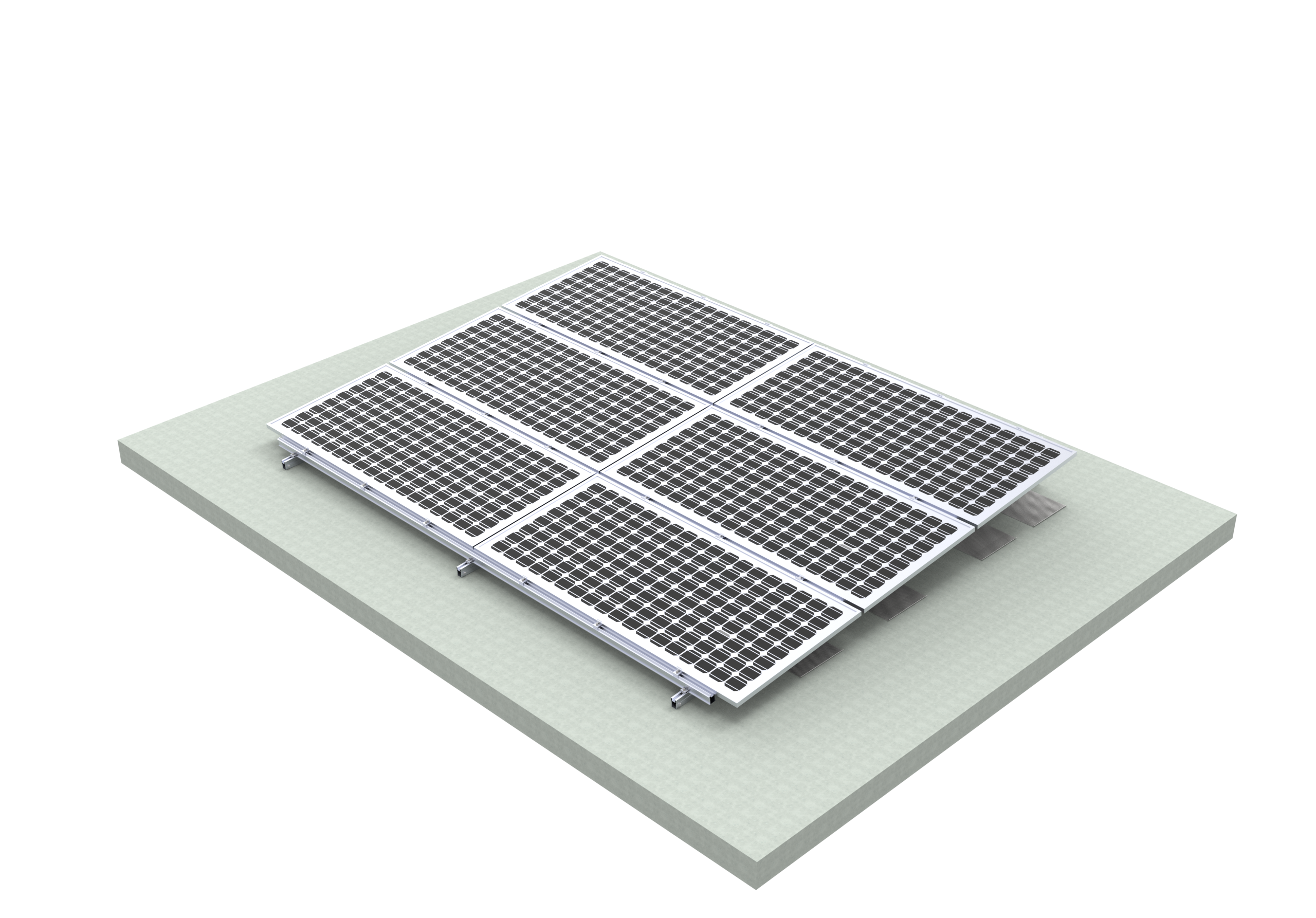
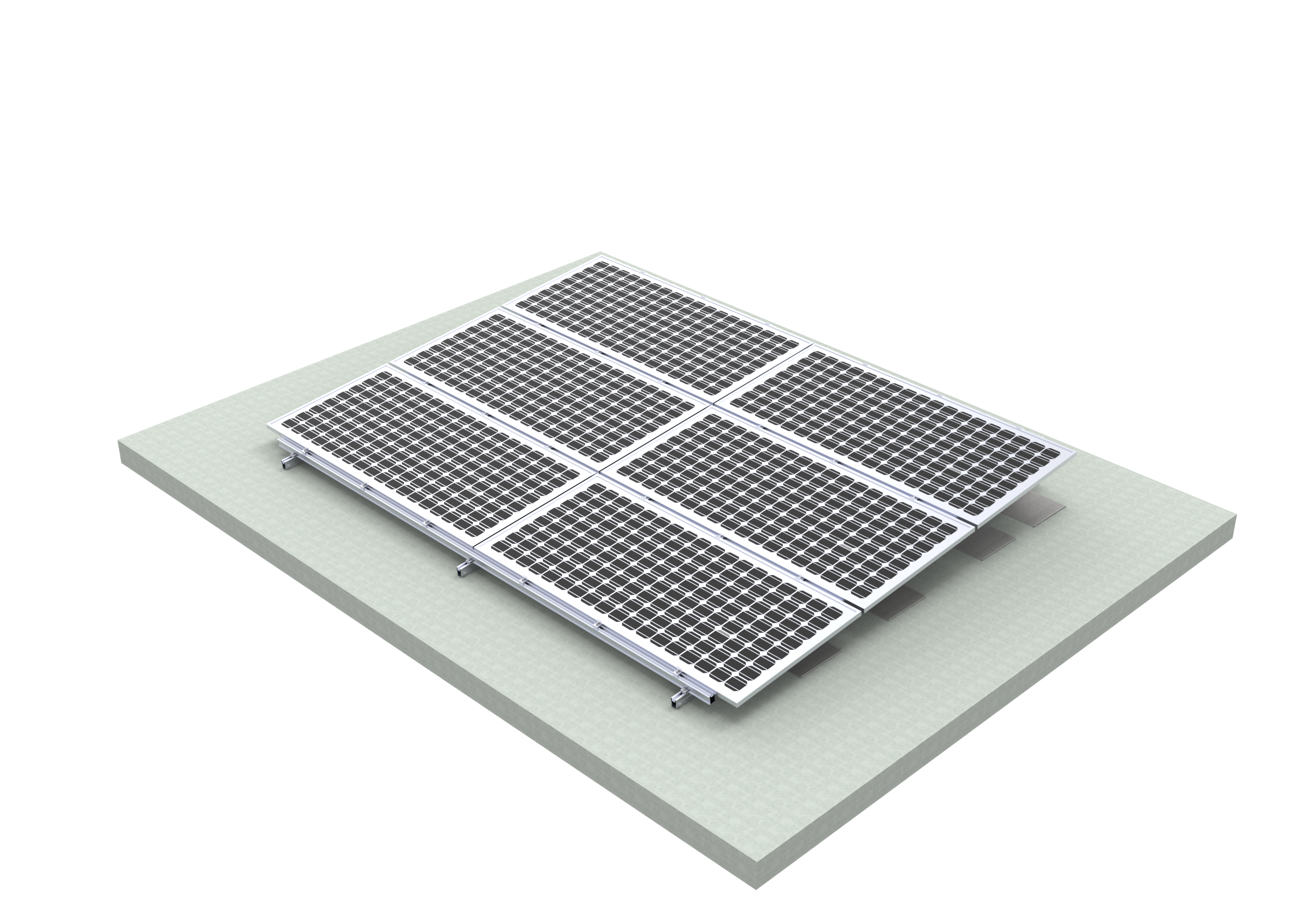
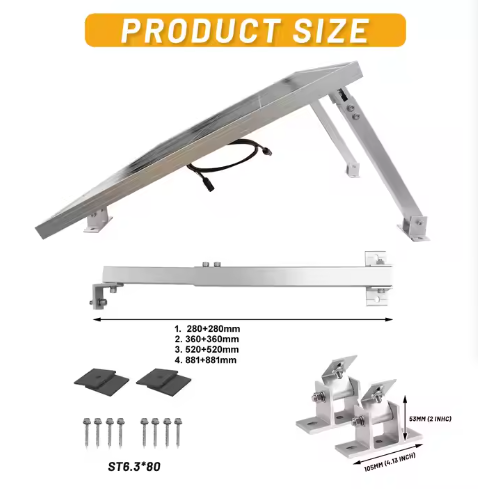
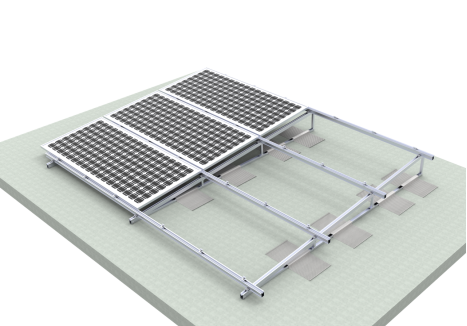
A tripod solar mounting system is a rooftop photovoltaic support structure based on a triangular (A-frame) geometry. Each unit consists of a front leg, a rear leg, and a diagonal support beam, forming a stable triangular shape that securely holds solar modules at a fixed or adjustable tilt angle.
This design is especially suitable for flat roofs, where traditional tilted mounting systems may require complex ballasting or excessive structural reinforcement.
Key Structural Characteristics
Triangular load-bearing structure for enhanced stability
Adjustable tilt angle (typically 10°–30° or customized)
Lightweight aluminum construction
Compatible with framed PV modules
Suitable for both small and large-scale rooftop arrays
Main Components of the Tripod Solar Mounting System
A standard adjustable tripod solar mounting system includes the following components:
1. Front & Rear Legs
The front and rear legs form the vertical support of the system. Their height difference determines the tilt angle of the solar panels. Adjustable slots allow fine tuning based on latitude and project requirements.
2. Diagonal Support Beam
The diagonal beam connects the front and rear legs, completing the triangular structure. This component plays a critical role in wind resistance and load distribution.
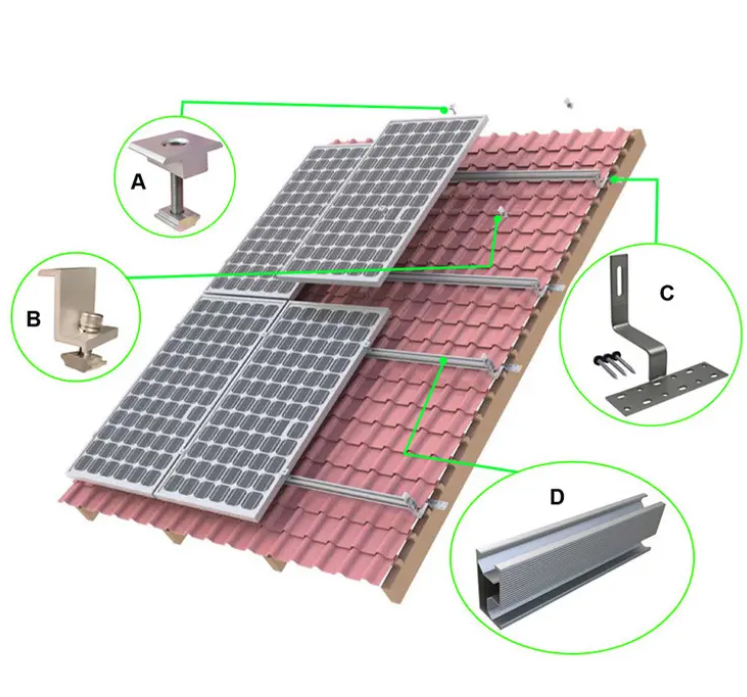
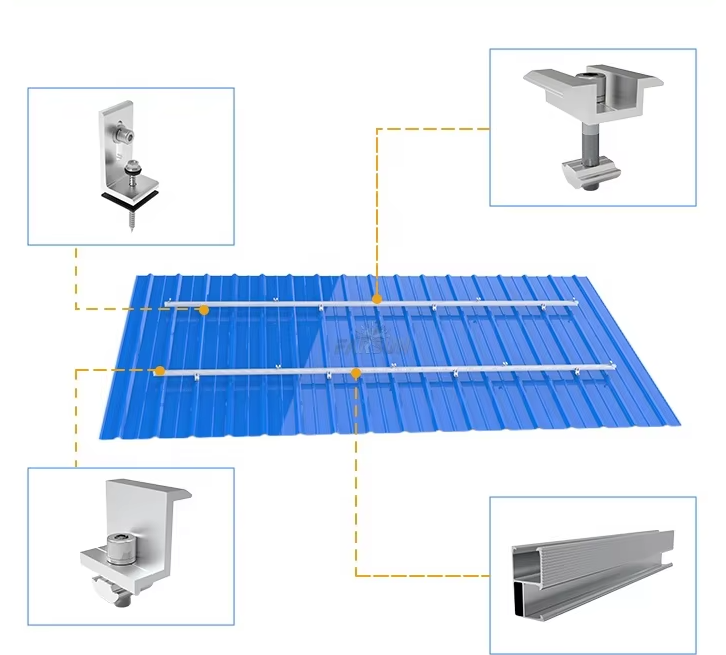
3. Mounting Rails
Aluminum rails are fixed on top of the tripod structure to support solar modules. They are compatible with standard mid-clamps and end-clamps.
4. Clamps & FastenersHigh-strength aluminum clamps and stainless steel fasteners ensure secure fixation of panels while maintaining corrosion resistance.
5. Roof Fixing or Ballast Base
Depending on roof type, the system can be:
Mechanically fixed (anchors / chemical bolts)
Ballasted (concrete blocks or weight trays)
Combined fixation + ballast for enhanced safety

Material Selection & Corrosion Resistance
High material quality is essential for long-term rooftop solar installations. Most tripod solar mounting systems are manufactured using:
1.Aluminum alloy AL6005-T5
Lightweight
Excellent corrosion resistance
High strength-to-weight ratio
2. Stainless steel SUS304 / SUS316 fasteners
Strong mechanical performance
Suitable for coastal and humid environments
Surface treatments such as anodizing further enhance durability, ensuring a service life of 25+ years with minimal maintenance.
Advantages of Tripod Solar Mounting Systems
1. Excellent Structural Stability
The triangular geometry is one of the most stable structures in engineering. It distributes wind and snow loads efficiently, reducing stress on individual components and roof surfaces.
2. Flexible Tilt Angle Adjustment
Tripod systems allow adjustable tilt angles based on:
Project location (latitude)
Seasonal energy optimization
Roof height limitations
This flexibility helps maximize power generation efficiency.
3. Minimal Roof Impact
Compared to traditional roof-penetrating systems, tripod mounting solutions:
Reduce drilling points
Lower leakage risks
Are suitable for waterproof membrane roofs
4. Easy & Fast Installation
Pre-assembled components
No on-site welding required
Standardized parts reduce labor time
This significantly shortens installation cycles, especially for commercial rooftops.5. Cost-Effective SolutionBy optimizing material usage and simplifying installation, tripod solar mounting systems offer a competitive balance between performance and cost.
Application Scenarios
Tripod solar mounting systems are widely used in:
Commercial & industrial flat roofs
Warehouse rooftops
Factory buildings
Shopping malls
Residential concrete roofs
Temporary or modular PV installations
They are particularly suitable for projects where roof load capacity, waterproofing integrity, and installation speed are key considerations.
Engineering Design & Load Calculation
Professional tripod solar mounting systems are designed according to international standards, including:
Wind load calculations
Snow load requirements
Roof bearing capacity assessment
Advanced structural simulation ensures that the system remains stable under extreme weather conditions. Proper spacing between rows prevents shading and improves airflow for module cooling.
Customized designs can be provided based on:
Local wind/snow data
Roof dimensions
Module size and layout
Installation method (fixed or ballasted)
Installation Process
Typical installation steps include:
Roof surface inspection and layout marking
Positioning tripod bases or ballast blocks
Assembling tripod frames
Installing mounting rails
Fixing solar modules with clamps
Final alignment and inspection
The modular design allows quick adjustment and easy future expansion if required.
Maintenance & Long-Term Performance
Tripod solar mounting systems require minimal maintenance:
Periodic bolt tightening checks
Visual inspection after extreme weather
Cleaning for optimal PV performance
Thanks to corrosion-resistant materials, long-term operational costs remain low.
Environmental & Sustainability Benefits
Lightweight aluminum reduces material consumption
Minimal roof damage supports building longevity
Optimized tilt improves energy yield
Supports clean energy generation and carbon reduction goals
Tripod systems align perfectly with sustainable building and renewable energy strategies.
Conclusion
The Tripod Solar Mounting System is a smart and reliable solution for flat roof solar installations, combining structural stability, flexible design, and installation efficiency. Its triangular structure, lightweight materials, and adjustable configuration make it ideal for modern commercial and residential PV projects.
If you are looking for a durable, cost-effective, and professionally engineered rooftop solar mounting solution, Starwin Solar’s adjustable tripod system is a proven choice.
Contact us today to discuss your project requirements and receive technical support, drawings, and a customized quotation.
About Our Company
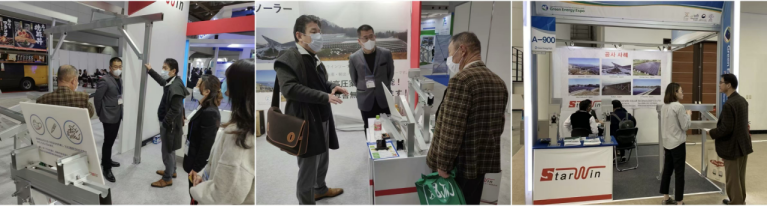
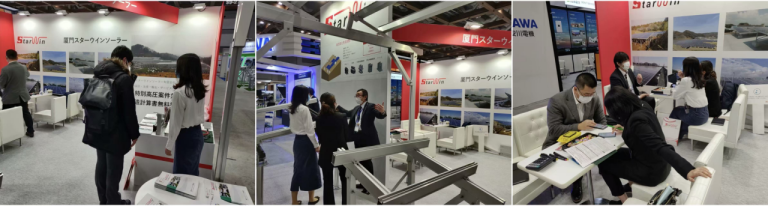
Xiamen Starwin Solar Technology Co., Ltd. is a professional manufacturer of high-quality solar mounting systems for residential, commercial, and utility-scale projects.
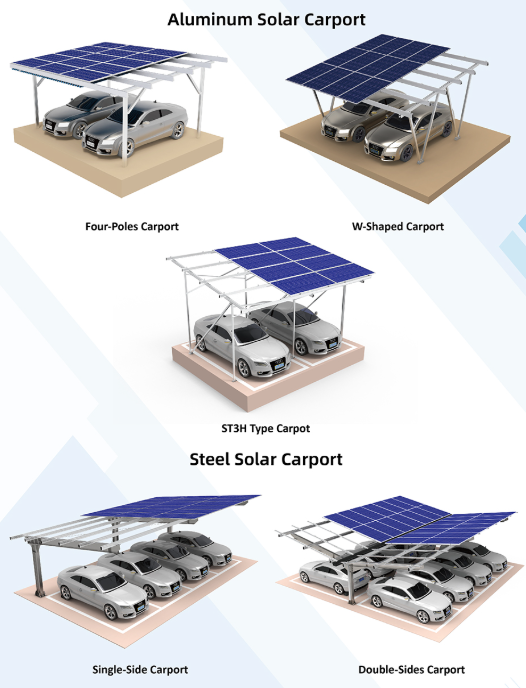
Our main products include roof mounting systems, carport mounting systems, floating photovoltaic mounting systems, solar ground mounting systems, and solar farm mounting systems.
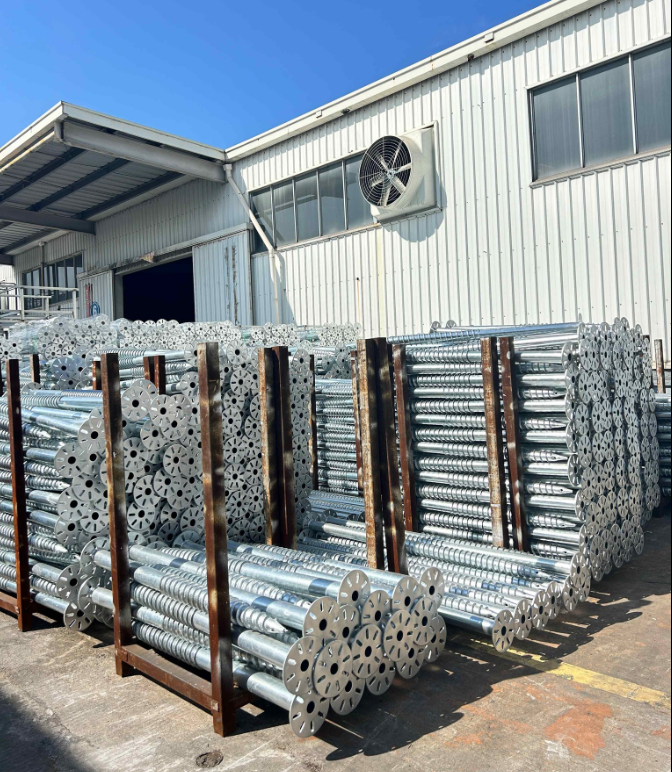
We operate our own manufacturing facilities, enabling strict quality control and ensuring consistent, reliable product quality. In addition, our experienced R&D team provides professional and innovative solar mounting solutions tailored to specific project requirements.
With an annual production capacity exceeding 1 GW, Starwin Solar mounting structures have been successfully supplied to many countries worldwide, including Japan, Singapore, Malaysia, Vietnam, the Philippines, South Korea, Cambodia, the United States, France, and more.
Adhering to the principles of “Quality First” and “Technology Innovation,” we place great emphasis on employee training and development, recognizing our people as the most valuable asset of the company.