
Aluminum adjustable roof mount structures
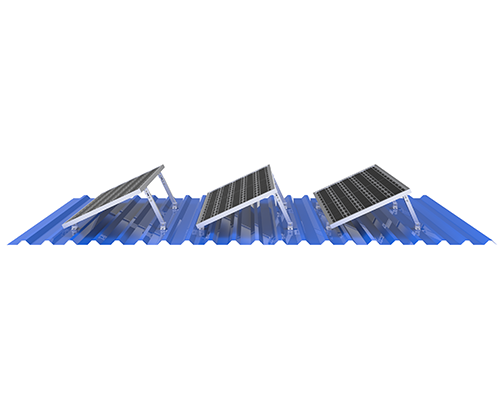
This front/back leg design represents the industry standard for commercial rooftop solar due to its optimal balance of energy production, structural efficiency, and roof compatibility.
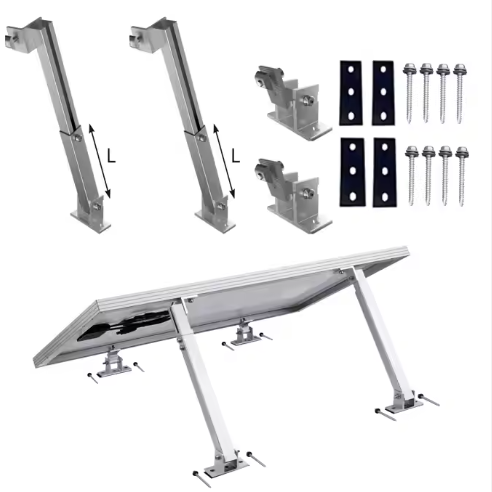
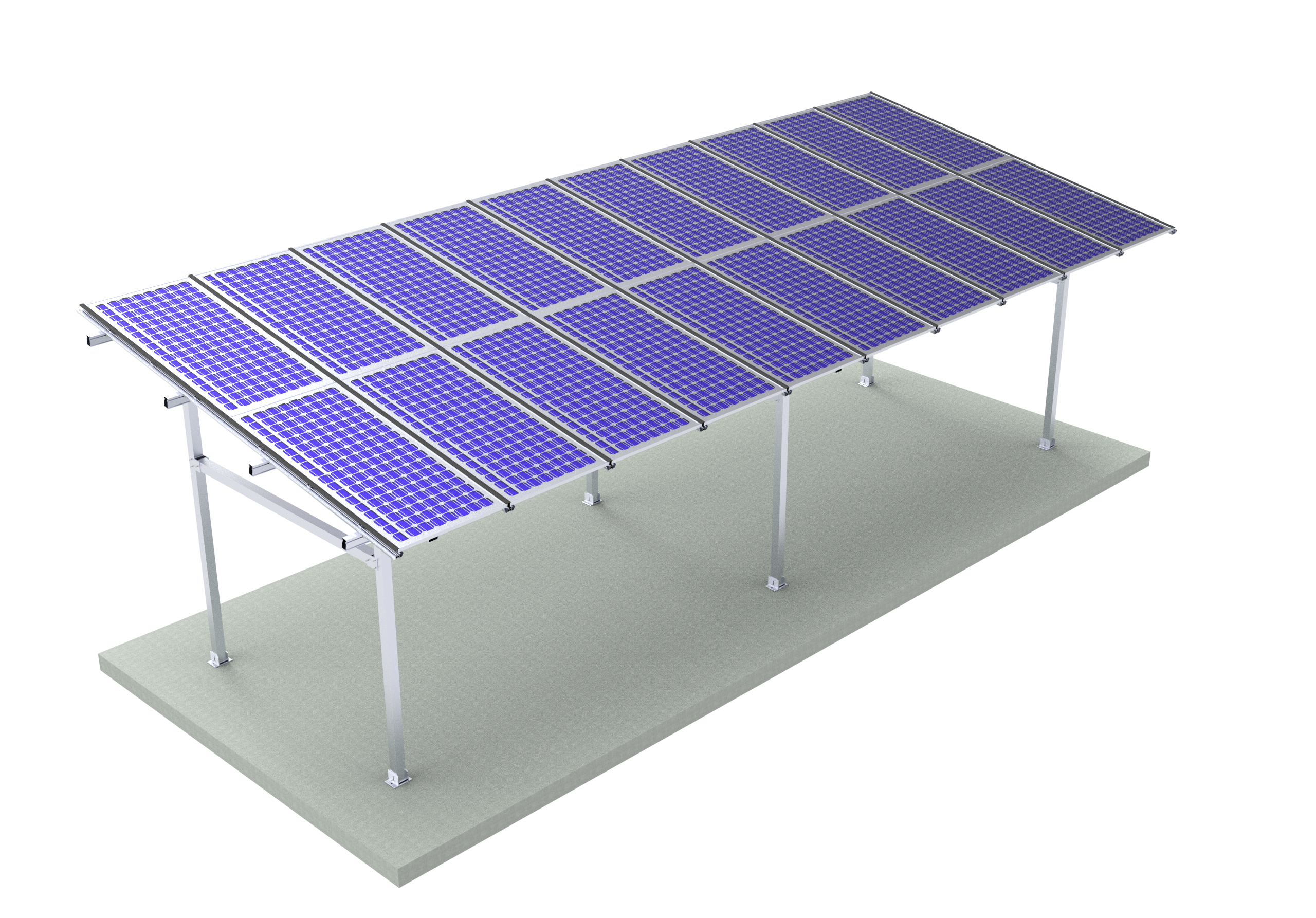
Leg Types & Height Differential
Back Legs (Higher): Typically 12-24 inches tall
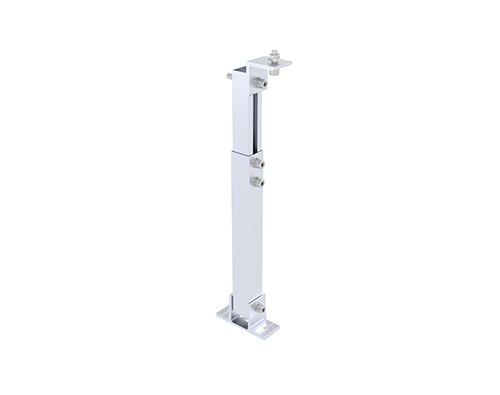
Front Legs (Lower): Typically 4-8 inches tall
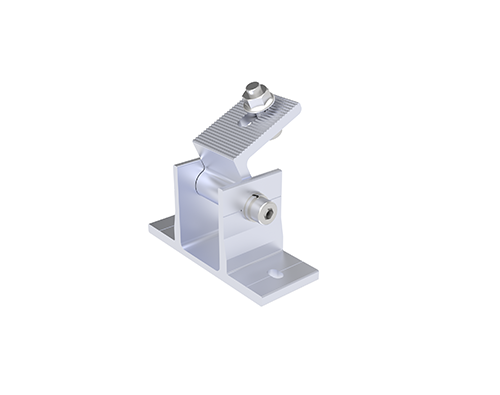
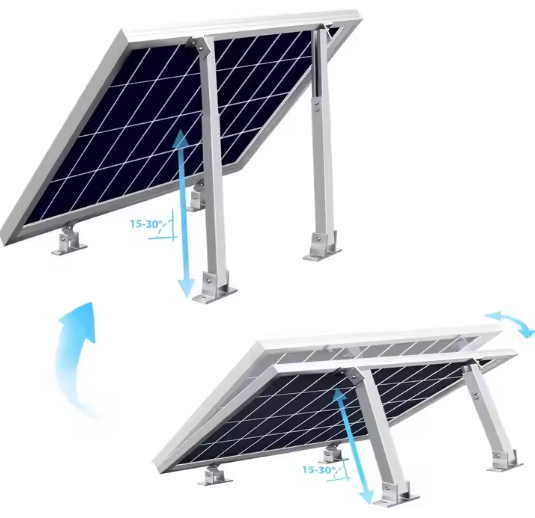
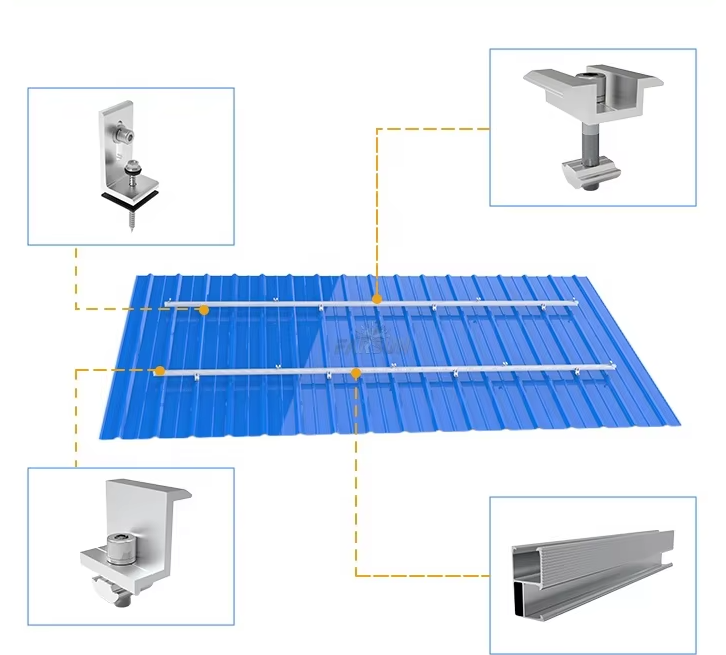
Spceial design solar panel installation for metal roof tops, it can be adjusted and tilt angles with three options:
10° – 15°, 15° – 30° or 30° –60° . Flexible suit for different optimized installing direction according to local sun lights .
System Overview
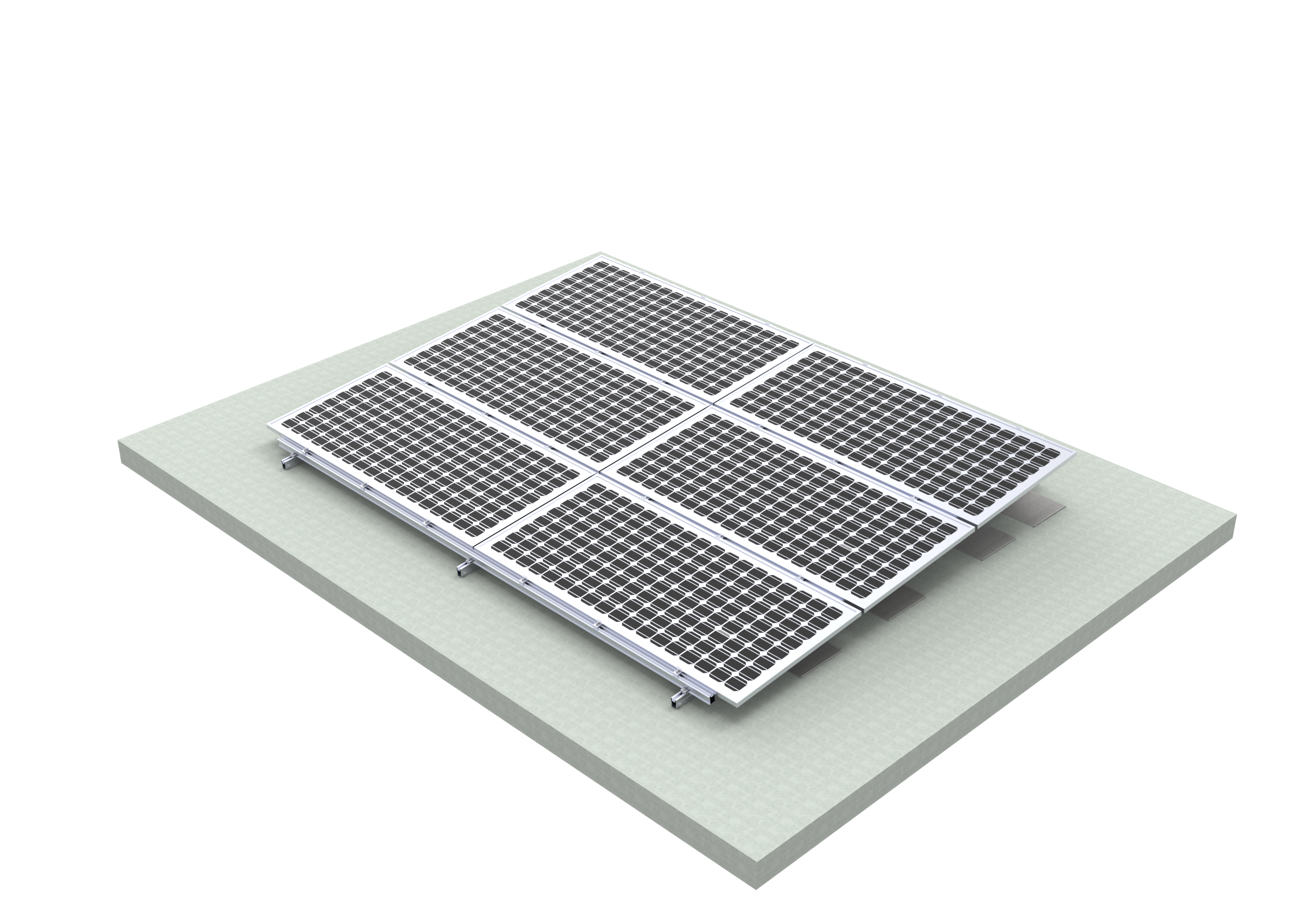
The adjustable front and rear leg roof mount is a photovoltaic installation system specifically designed for flat or low-slope roofs. By independently adjusting the height of the front leg (low side) and rear leg (high side), it enables precise tilt adjustment of the PV array and compensates for roof unevenness.
Core Features & Advantages
1. Height Adjustability
- Independent Adjustment: Front and rear legs can be adjusted continuously or in stages.
- Adjustment Range: Typically, single-leg adjustment ranges from 100-300mm, with a total system adjustment span of 200-500mm.
- Compensation Capability: Adapts to roof slope variations (±3-5°), local unevenness, and drainage gradients.
2. Tilt Optimization
- Angle Range: Supports 5°-15° tilt adjustment (some systems up to 20°).
- Regional Optimization: Adjusts the optimal power generation tilt angle based on latitude and climate conditions.
- Seasonal Adjustment (Optional): A few systems support manual seasonal adjustments.
3. Installation Flexibility
- High Compatibility: Works with various roofing materials (concrete, steel plates, waterproof membranes, etc.).
- Layout Freedom: Supports longitudinal, transverse, and non-standard layouts.
- High Fault Tolerance: Allows real-time adjustments during installation, reducing reliance on measurement precision.
In summary, aluminum adjustable roof mount structures are the engineered "skeleton" that makes large-scale, efficient, and safe rooftop solar possible on flat surfaces. Their success hinges on the synergistic combination of aluminum's material properties, modular adjustability for precision, and a design philosophy that prioritizes both roof integrity and long-term performance
Recommendation: Adjustable roof-mounted brackets are currently the mainstream choice for commercial and industrial distributed photovoltaic systems in China. Under policies like "county-wide promotion," their flexibility and adaptability offer significant advantages. Selection should focus on the durability of the adjustment mechanism, the reliability of waterproofing solutions, and the supplier's localized service capabilities. For projects with high annual power generation requirements, a tilt angle adjustment of 5-10° can yield an 8-20% increase in power generation, reducing the payback period by 0.5-1.5 years.