
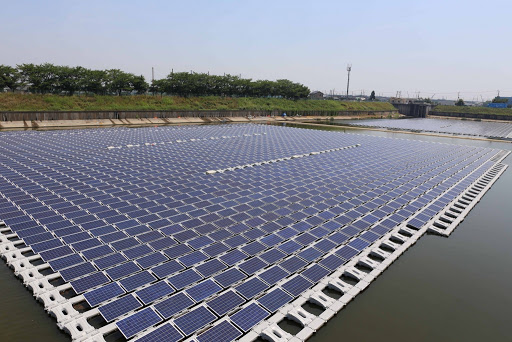
Rooftop distributed photovoltaic (PV) power generation specifically refers to PV facilities installed on the rooftops of user-owned buildings. These systems are characterized by an operational mode in which electricity is primarily self-generated and self-consumed on-site, with any surplus power fed into the grid, and by their role in providing balancing and regulation within the distribution system. Rooftop distributed PV represents a novel method of power generation and integrated energy utilization with vast potential for future development. It advocates for the principles of localized generation, grid connection, conversion, and consumption; this approach not only effectively boosts the power output compared to PV power stations of equivalent scale but also effectively mitigates the energy losses typically associated with voltage boosting and long-distance power transmission.
Types of Rooftop Distributed Photovoltaic Power Generation:
1.Roof Mounting System (Tripod)
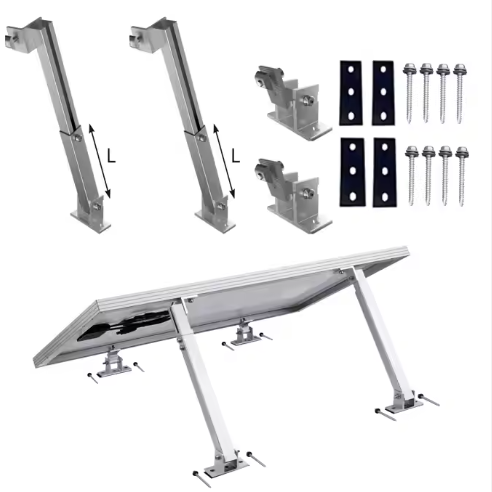
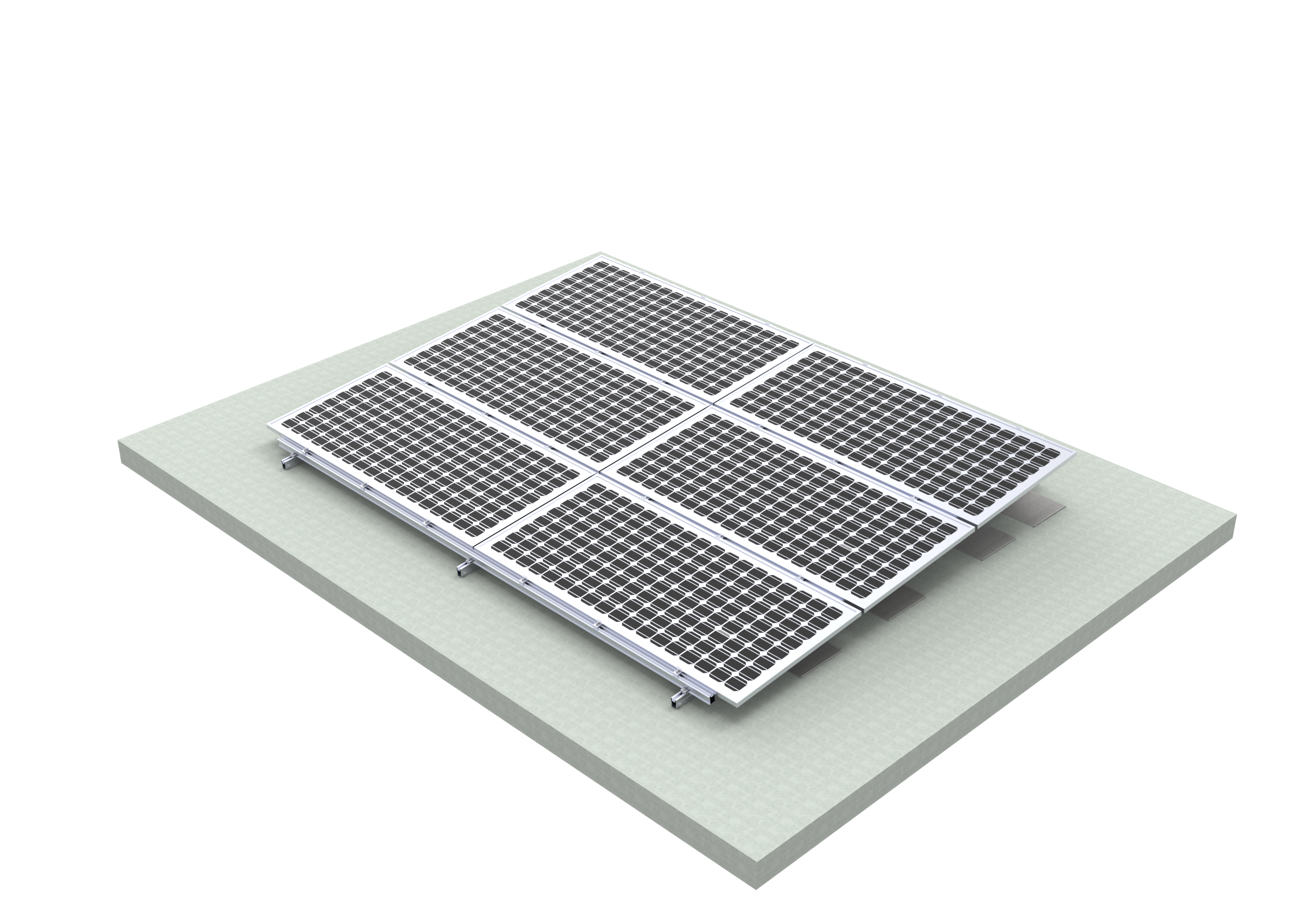
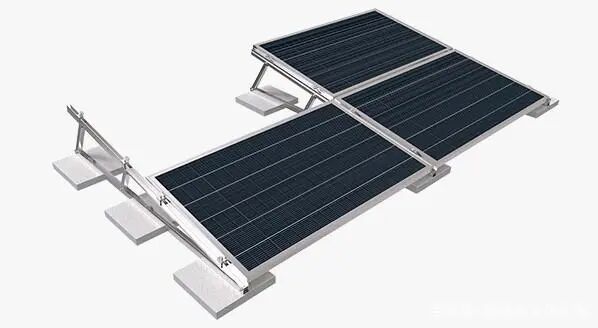
This new triangular mounting system is suitable for installation on pitched roofs and ground surfaces. Lightweight yet robust, this innovative triangular bracket offers exceptional flexibility and structural strength. Assembly is remarkably simple, requiring only a single tool to complete. Furthermore, the unit is foldable for convenient packaging and is fully compatible for use in conjunction with other products from our company.
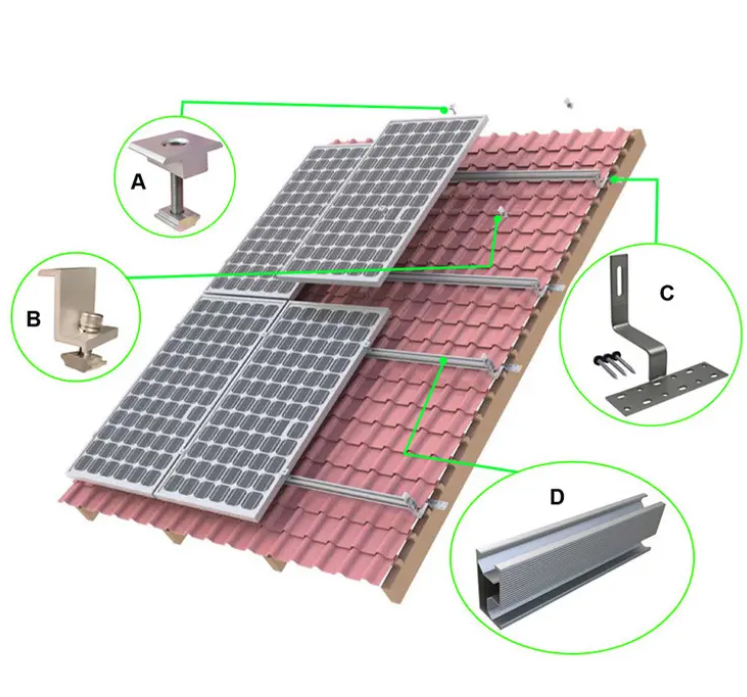
2. Roof Mounting System (Hooks)
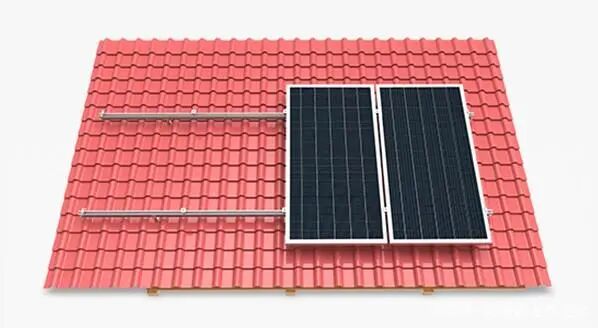
Roof hooks are suitable for use on various roofing types—including colored steel tiles, ceramic tiles, and asphalt shingles—and are secured by fastening directly to roof beams or metal sheeting. By allowing for the selection of appropriate spans to withstand specific load conditions, they offer exceptional flexibility. This system is utilized for the parallel installation of standard framed or frameless solar panels on pitched roofs, making it an ideal solution for the design and planning of both commercial and residential rooftop solar energy systems.
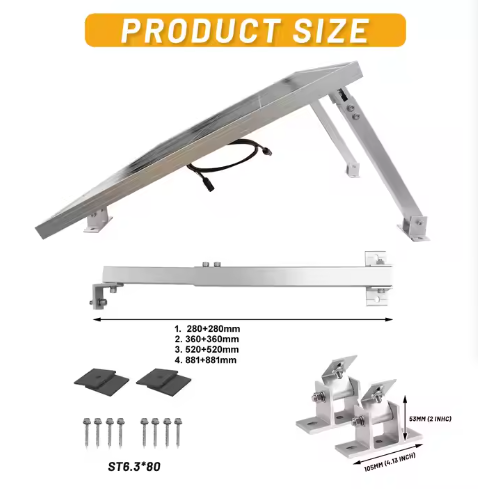
3. Roof Mounting System (Adjustable Feet)
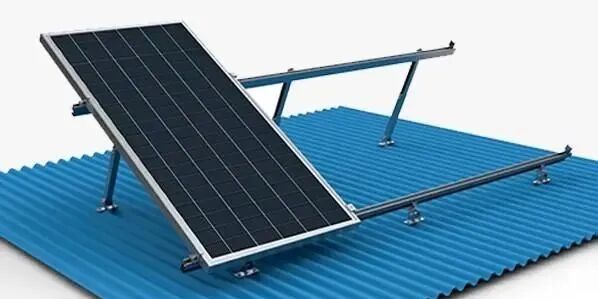
Our new tilting bracket system is suitable for installation on both angled roofs and ground surfaces, representing one of the finest designs within our company. This innovative tilting bracket is lightweight, highly flexible, and exceptionally robust. It is easy to assemble—requiring only a single tool for installation—and features a foldable design for convenient packaging; furthermore, it is fully compatible for use in conjunction with our company's other product offerings.
4. Roof Mounting System (Clamps)
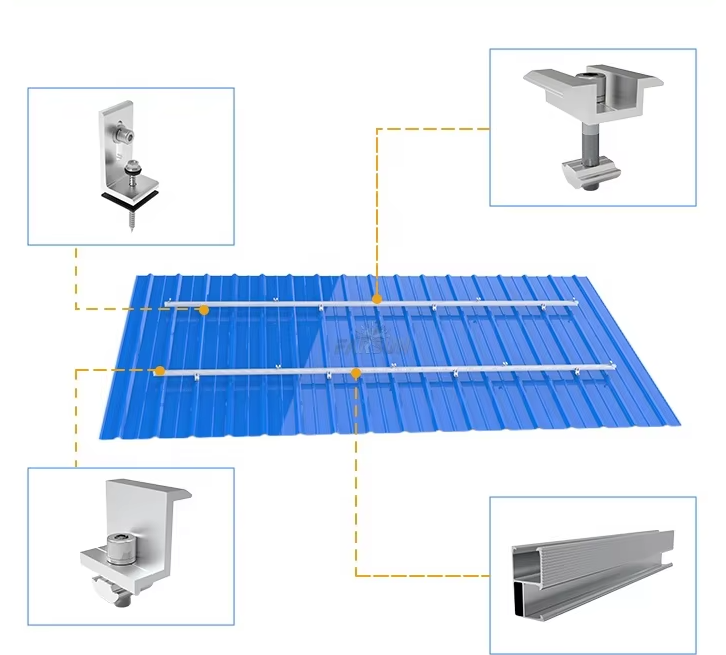
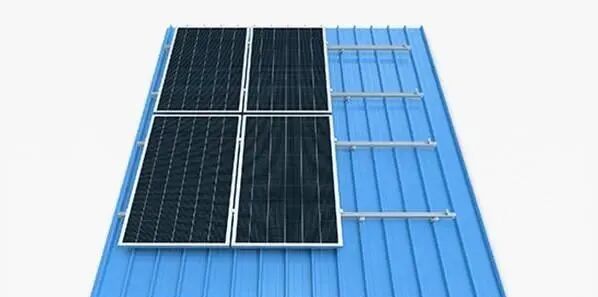
The roof clamp series is designed for use on colored steel tile roofs, offering exceptional flexibility. These clamps secure directly to the steel tiles without the need for drilling. Depending on project requirements, users may choose between rail-based and rail-less configurations, both of which offer equally convenient installation. This system is utilized for the parallel mounting of standard framed or frameless solar panels on pitched roofs, making it suitable for the design and planning of both commercial and residential rooftop solar systems.
Characteristics of Rooftop Distributed Photovoltaic Power Generation:
1. Minimal Pollution and Outstanding Environmental Benefits: During the power generation process, rooftop distributed photovoltaic (PV) systems produce no noise and generate no air or water pollution.
2. Simultaneous Generation and Consumption: Unlike large-scale ground-mounted power plants—which step up voltage to connect to the transmission grid and function solely as generation facilities—rooftop distributed PV systems connect to the distribution grid. This allows for the simultaneous generation and consumption of electricity, with a strong emphasis on maximizing local self-consumption.
3. Relatively Low Output Power: Generally speaking, the capacity of a single rooftop distributed PV project falls within the range of a few kilowatts. Unlike centralized power stations, the physical size of a PV system has a negligible impact on its power generation efficiency; consequently, it has a similarly minimal effect on economic viability. As a result, the return on investment for small-scale PV systems is not lower than that of their large-scale counterparts.