What Is a Floating Solar Mounting System?
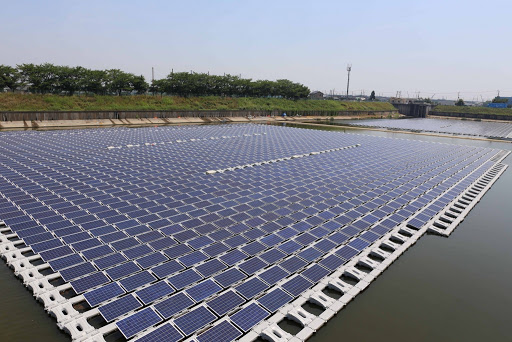
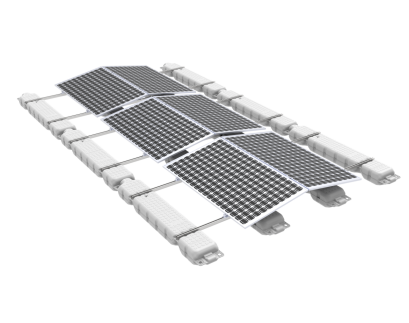
A floating solar mounting system, also known as a floating PV system, is a photovoltaic structure installed on water bodies instead of land. Solar modules are mounted on buoyant floats, which are connected to form a stable platform. The entire system is secured using anchoring and mooring components to ensure stability under wind, wave, and water level variations.
Floating solar systems are commonly deployed on:
Reservoirs
Lakes
Ponds
Hydropower dams
Water treatment plants
Industrial water basins
By utilizing unused water surfaces, floating PV systems help overcome land constraints while contributing to clean energy generation.

Main Components of a Floating Solar Mounting System
A complete floating solar mounting system consists of several key components, each playing a critical role in structural stability and long-term durability.
1. Floating Modules (Floats)
Floating modules are typically manufactured from high-density polyethylene (HDPE) using blow molding or injection molding processes. These floats provide buoyancy for solar panels and maintenance walkways.
Key features:
UV-resistant material
Anti-aging and corrosion-resistant
High load-bearing capacity
Long service life (25+ years)
2. Solar Panel Support Structure
The support structure connects solar modules to the floating platform. Depending on project requirements, it can be designed for:
Fixed tilt angles
Adjustable tilt angles
East–west or south-facing layouts
The structure is usually made from aluminum alloy or hot-dip galvanized steel, ensuring strength and corrosion resistance in humid environments.
3. Connecting & Locking System
Interlocking connectors securely join individual floats into a unified platform. This modular design allows flexible expansion and easy installation.
4. Anchoring & Mooring System
Anchoring systems ensure that the floating platform remains stable under changing water levels, wind loads, and wave conditions.
Common anchoring methods include:
Bank anchoring
Bottom anchoring
Pile anchoring
Combined anchoring solutions
Anchoring design is customized based on water depth, soil condition, and site environment.
Advantages of Floating Solar Mounting Systems
1. Efficient Land Utilization
Floating solar systems make use of unused water surfaces, preserving valuable land resources for agriculture, industry, or urban development.
2. Improved Power Generation Efficiency
Water has a natural cooling effect, helping reduce module temperature and improve energy output. Studies show that floating PV systems can achieve 5–10% higher efficiency compared to ground-mounted installations.
3. Reduced Water Evaporation
By partially covering water surfaces, floating solar systems reduce evaporation, helping conserve water resources — especially valuable in arid regions.
4. Lower Algae Growth
The shading effect limits sunlight penetration, reducing algae growth and improving water quality.
5. Strong Environmental Adaptability
Floating solar mounting systems are designed to withstand:
High humidity
UV exposure
Wind and wave impact
Long-term outdoor operation
Typical Applications of Floating Solar Mounting Systems
Floating solar mounting systems are widely applied in:
Utility-scale floating solar power plants
Hydropower reservoir hybrid projects
Drinking water reservoirs
Industrial wastewater ponds
Aquaculture ponds
Irrigation reservoirs
They are especially suitable for regions with limited land availability or strict land-use regulations.
Materials & Durability
1. HDPE Floating Components
HDPE floats offer:
Excellent chemical resistance
UV stabilization
High tensile strength
Minimal maintenance
2.Aluminum & Galvanized Steel Structures
Support frames and fasteners are typically made from:
Aluminum alloy (AL6005-T5 / AL6063-T5)
Hot-dip galvanized steel (Q235B)
These materials ensure structural integrity and corrosion resistance over decades of operation.
Design & Engineering Considerations
Professional engineering design is critical for floating solar projects. Key factors include:
Wind speed and wave height
Water depth and level fluctuation
Module layout and tilt angle
Anchoring force calculation
Local environmental conditions
Customized design ensures long-term safety and optimal energy performance.
Installation Process
The installation of a floating solar mounting system typically involves:
Float assembly onshore or on water
Installation of support structures and rails
Mounting solar panels
Platform connection and expansion
Anchoring system installation
Electrical connection and commissioning
The modular structure allows efficient installation with reduced labor time.
Maintenance & Long-Term Performance
Floating solar mounting systems require minimal maintenance:
Periodic inspection of floats and connectors
Checking anchoring system tension
Cleaning solar modules
The corrosion-resistant materials ensure reliable performance throughout the project lifecycle.
Sustainability & Environmental Benefits
Floating solar systems contribute to sustainability by:
Reducing land consumption
Improving water conservation
Supporting clean energy generation
Lowering carbon emissions
They are an ideal solution for environmentally responsible energy development.
Conclusion
The floating solar mounting system represents a smart and sustainable approach to solar energy deployment. By utilizing water surfaces, improving efficiency, and minimizing environmental impact, floating PV systems are becoming a key solution for future solar development.
With proven engineering expertise and reliable manufacturing capabilities, Starwin Solar provides high-quality floating solar mounting solutions designed for durability, efficiency, and long-term value.
Contact us today to discuss your project requirements and receive technical support, drawings, and a customized quotation.
About Our Company
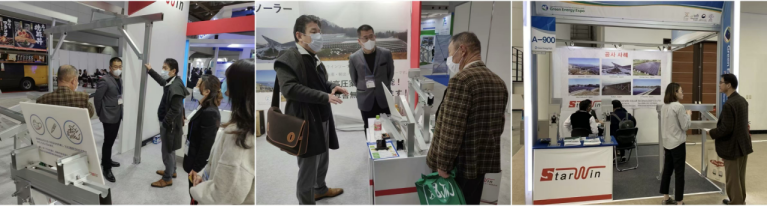
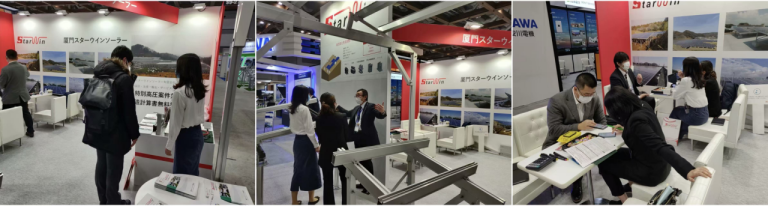
Xiamen Starwin Solar Technology Co., Ltd. is a professional manufacturer of high-quality solar mounting systems for residential, commercial, and utility-scale projects.
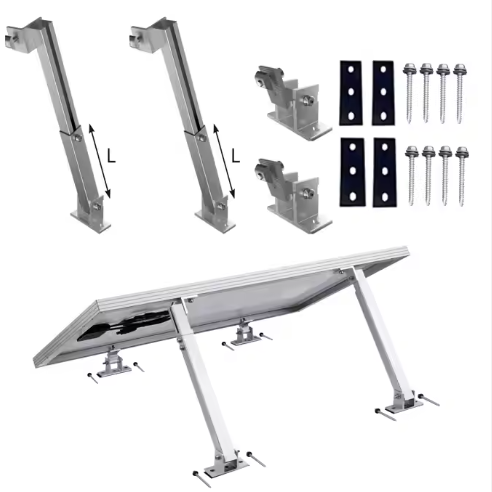
Our main products include roof mounting systems, carport mounting systems, floating photovoltaic mounting systems, solar ground mounting systems, and solar farm mounting systems.
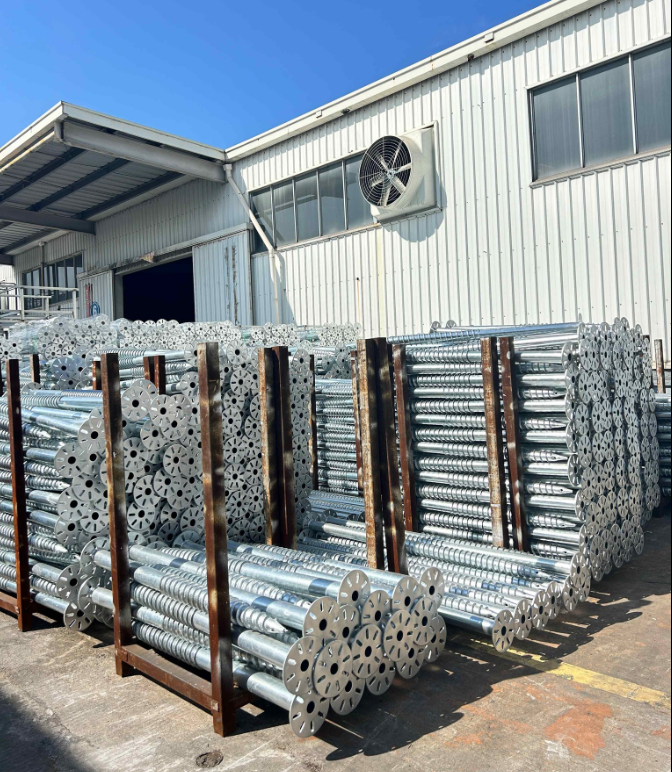
We operate our own manufacturing facilities, enabling strict quality control and ensuring consistent, reliable product quality. In addition, our experienced R&D team provides professional and innovative solar mounting solutions tailored to specific project requirements.
With an annual production capacity exceeding 1 GW, Starwin Solar mounting structures have been successfully supplied to many countries worldwide, including Japan, Singapore, Malaysia, Vietnam, the Philippines, South Korea, Cambodia, the United States, France, and more.
Adhering to the principles of “Quality First” and “Technology Innovation,” we place great emphasis on employee training and development, recognizing our people as the most valuable asset of the company.