Introduction
With the rapid growth of renewable energy worldwide, solar power has become one of the most important clean energy sources. However, as land resources become increasingly limited, traditional ground-mounted solar systems face challenges in terms of space availability and environmental impact.
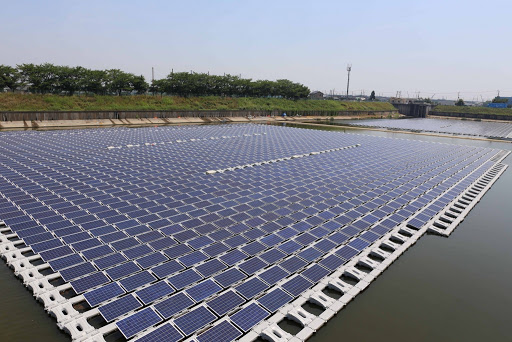
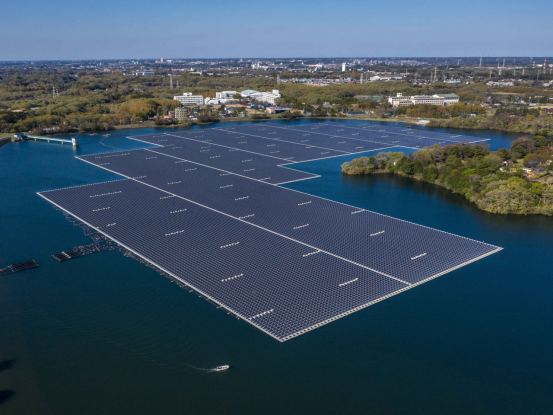
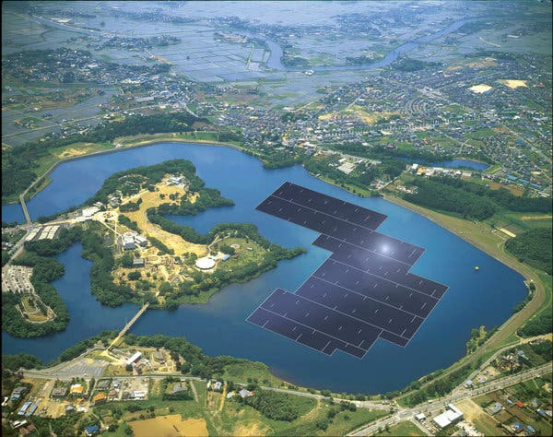
This is where the floating solar mounting system (also known as floating photovoltaic or floating PV system) comes into play. By utilizing water surfaces such as lakes, reservoirs, and industrial ponds, floating solar systems provide an innovative, efficient, and sustainable solution for solar power generation.
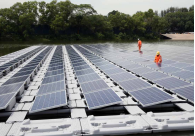
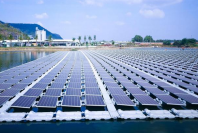
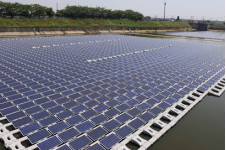
What is a Floating Solar Mounting System?
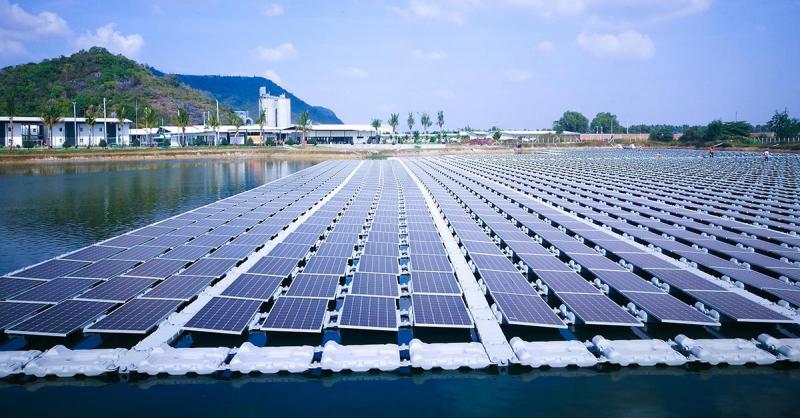
A floating solar mounting system is a specially designed structure that enables solar panels to be installed on water bodies instead of land. These systems are engineered to remain stable, durable, and efficient under various environmental conditions.
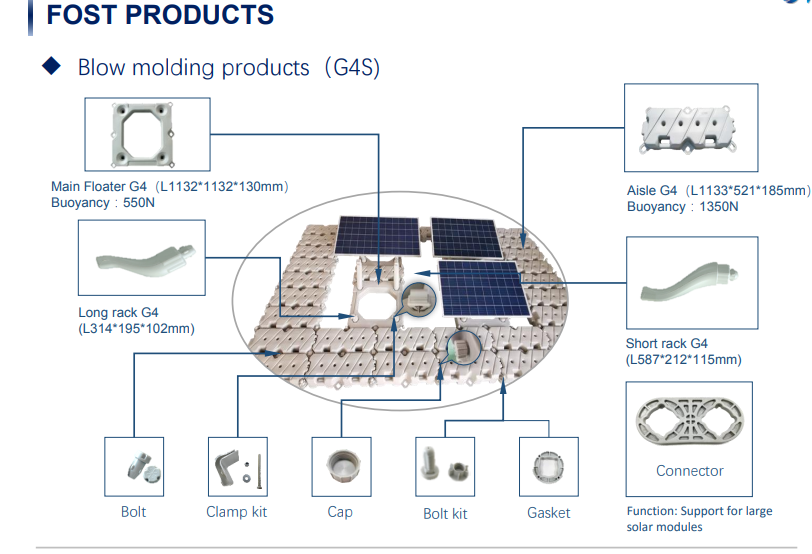
A typical floating PV system includes:
Floating platforms (usually made of HDPE)
Solar panel mounting structures
Anchoring and mooring systems
Cable management systems
Maintenance walkways
Floating solar systems are widely used in utility-scale projects and are becoming increasingly popular in commercial and industrial applications.
Key Components of Floating Solar Systems
1. Floating Platform (HDPE Floats)
The floating base is typically made from high-density polyethylene (HDPE), known for its:
Excellent corrosion resistance
UV resistance
Long service life (20+ years)
Strong load-bearing capacity
2. Mounting Structure
This component supports and secures the solar panels. It is designed to maintain the optimal tilt angle to maximize solar energy generation.
3. Anchoring & Mooring System
The anchoring system ensures that the floating structure remains stable and does not drift due to wind, waves, or water currents.
4. Cable Management System
Proper cable routing ensures safety, reduces wear, and improves overall system reliability.
5. Maintenance Walkways
Walkways provide safe access for installation, inspection, and maintenance.
Advantages of Floating Solar Mounting Systems
1. Maximizing Land Efficiency
Floating solar systems utilize underused water surfaces, making them ideal for regions where land is scarce or expensive.
2. Improved Energy Efficiency
Water naturally cools the solar panels, reducing operating temperatures and improving energy output compared to traditional systems.
3. Reduced Water Evaporation
By covering part of the water surface, floating systems can significantly reduce evaporation—especially valuable in arid regions.
4. Environmental Benefits
Floating solar installations can help:
Reduce algae growth
Improve water quality
Lower carbon emissions
5. Scalable and Flexible
Floating PV systems can be easily expanded based on project requirements.
Applications of Floating Solar Systems
Floating solar mounting systems are suitable for a wide range of applications:
Reservoirs and dams
Irrigation and agricultural ponds
Wastewater treatment plants
Mining and industrial ponds
Aquaculture farms
These applications help businesses and governments make better use of existing resources while generating clean energy.
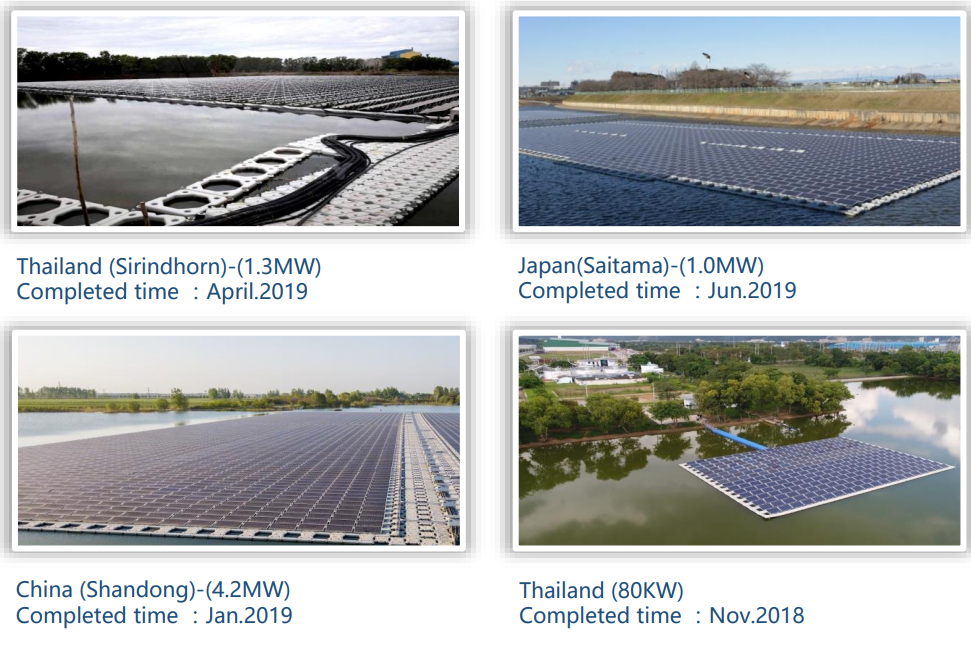
Key Design Considerations for Floating Solar Projects
Designing a floating solar system requires careful engineering and planning. Important factors include:
1. Water Conditions
Water depth
Seasonal water level fluctuations
Wave conditions
2. Wind Load & Weather
Wind speed and extreme weather conditions significantly affect system design and anchoring methods.
3. Panel Layout & Tilt Angle
Optimizing the layout ensures maximum energy generation and structural stability.
4. Anchoring Method
Two main types:
Shore anchoring
Bottom anchoring
5. Material Selection
Corrosion-resistant materials (such as HDPE and aluminum) are essential for long-term durability.
Installation Process of Floating Solar Mounting Systems
The installation process typically includes:
Assembly of floating platforms
Installation of mounting structures
Solar panel installation
Anchoring and mooring setup
Electrical connections and testing
Compared to ground-mounted systems, floating solar installations are often faster and require less land preparation.
Environmental and Economic Benefits
Floating solar systems offer both ecological and financial advantages:
Environmental Impact
Reduced land use
Lower water evaporation
Improved ecosystem balance
Economic Benefits
Higher energy yield
Reduced land acquisition cost
Long-term return on investment
Why Choose Our Floating Solar Mounting System?
At Starwin Solar, we specialize in providing high-quality floating solar mounting solutions tailored to your project needs.
Our Advantages:
Premium HDPE floating structures
Customized engineering design
Strong anti-corrosion performance
Easy installation system
Competitive pricing
Global project experience
We are committed to delivering reliable and efficient floating solar solutions for clients worldwide.
Contact us today to discuss your project requirements and receive technical support, drawings, and a customized quotation.
About Our Company
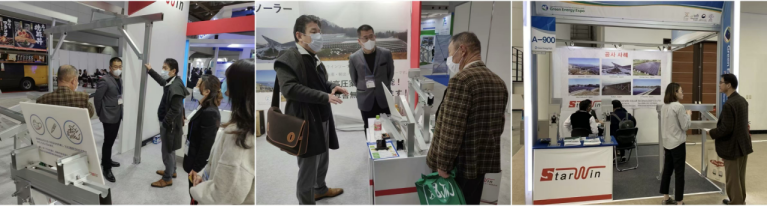
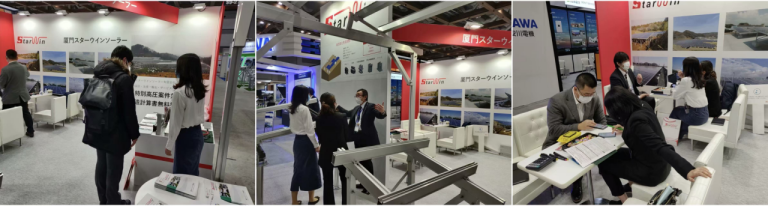
Xiamen Starwin Solar Technology Co., Ltd. is a professional manufacturer of high-quality solar mounting systems for residential, commercial, and utility-scale projects.
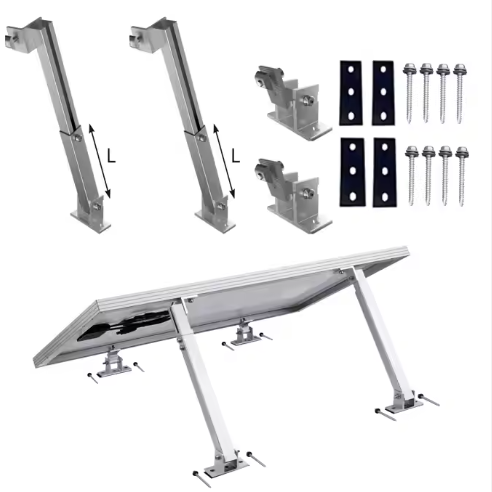
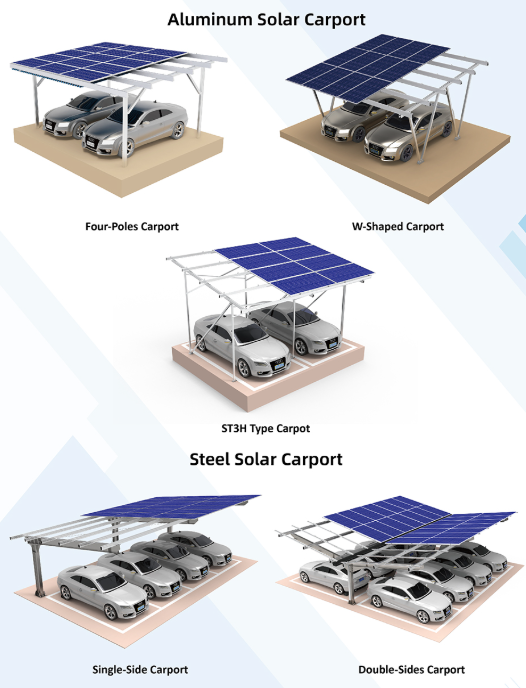
Our main products include roof mounting systems, carport mounting systems, floating photovoltaic mounting systems, solar ground mounting systems, and solar farm mounting systems.
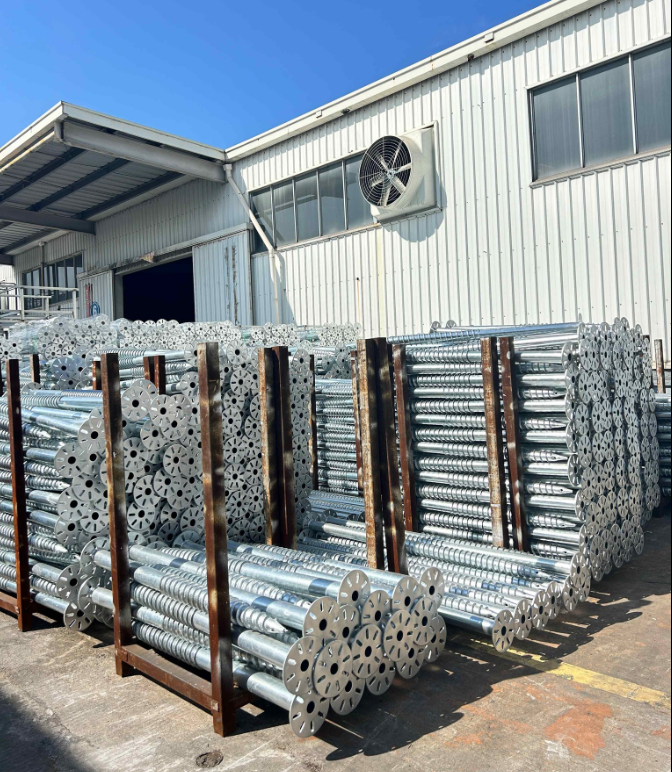
We operate our own manufacturing facilities, enabling strict quality control and ensuring consistent, reliable product quality. In addition, our experienced R&D team provides professional and innovative solar mounting solutions tailored to specific project requirements.
With an annual production capacity exceeding 1 GW, Starwin Solar mounting structures have been successfully supplied to many countries worldwide, including Japan, Singapore, Malaysia, Vietnam, the Philippines, South Korea, Cambodia, the United States, France, and more.
Adhering to the principles of “Quality First” and “Technology Innovation,” we place great emphasis on employee training and development, recognizing our people as the most valuable asset of the company.