
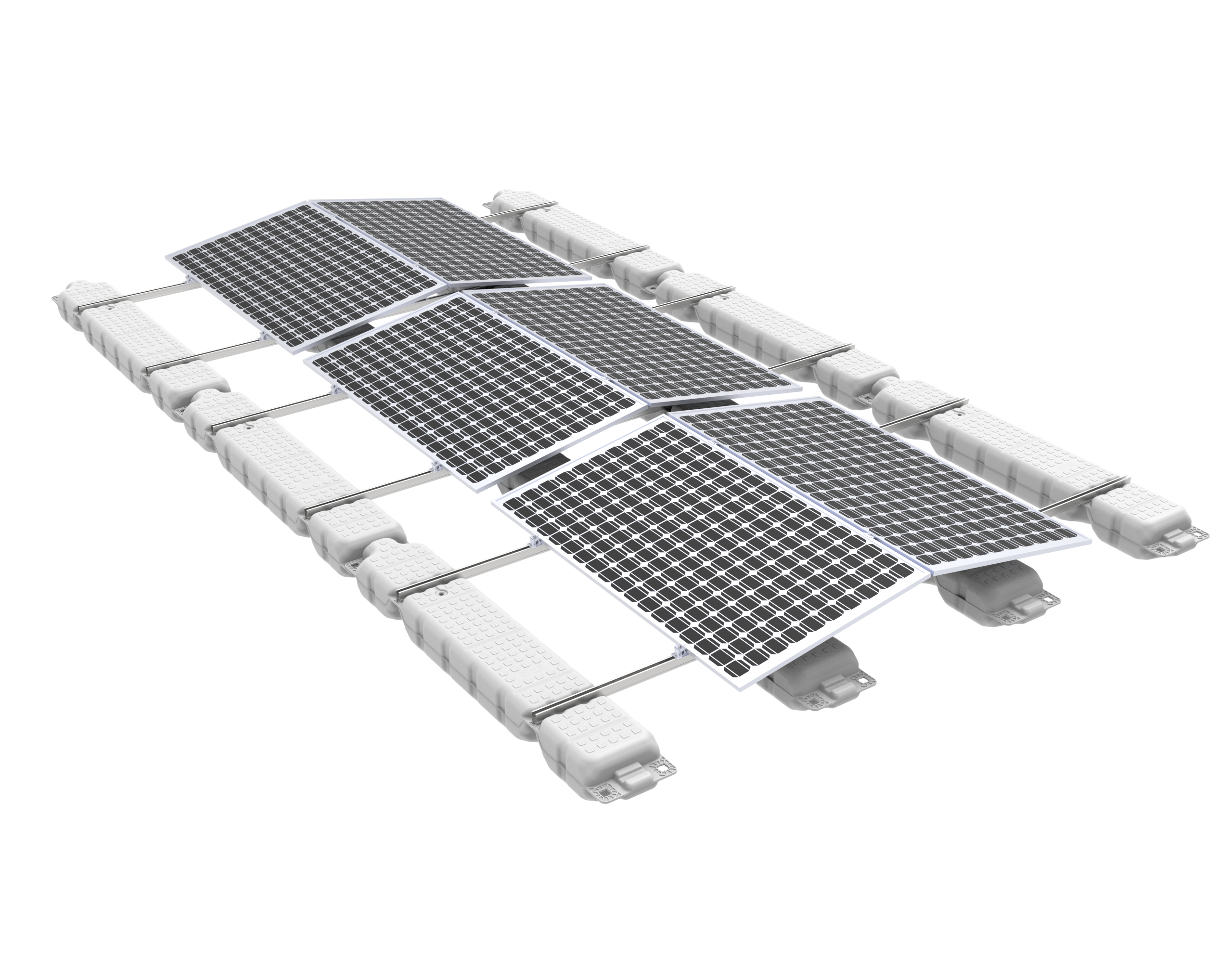
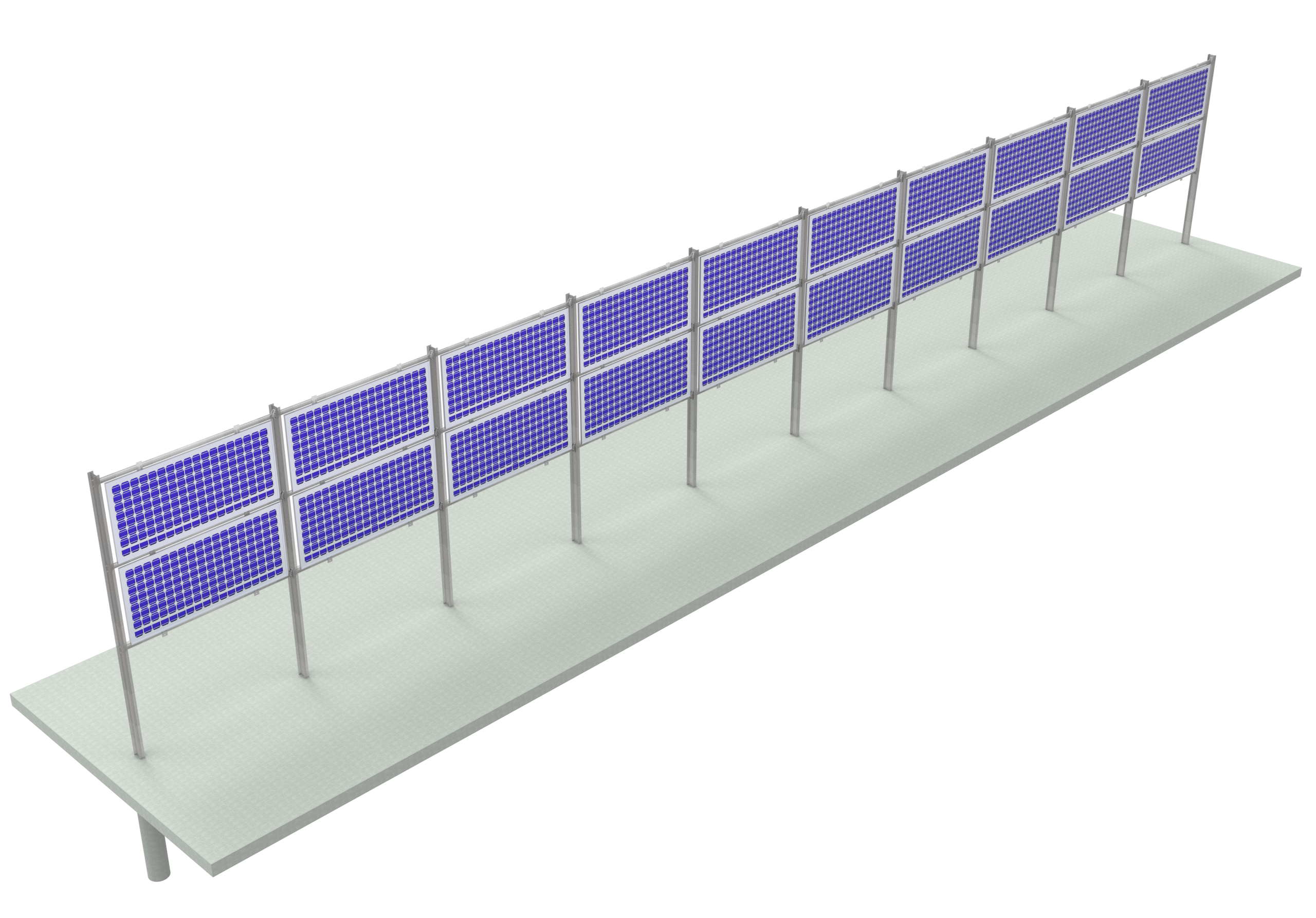
Solar Farm Mounting Structures
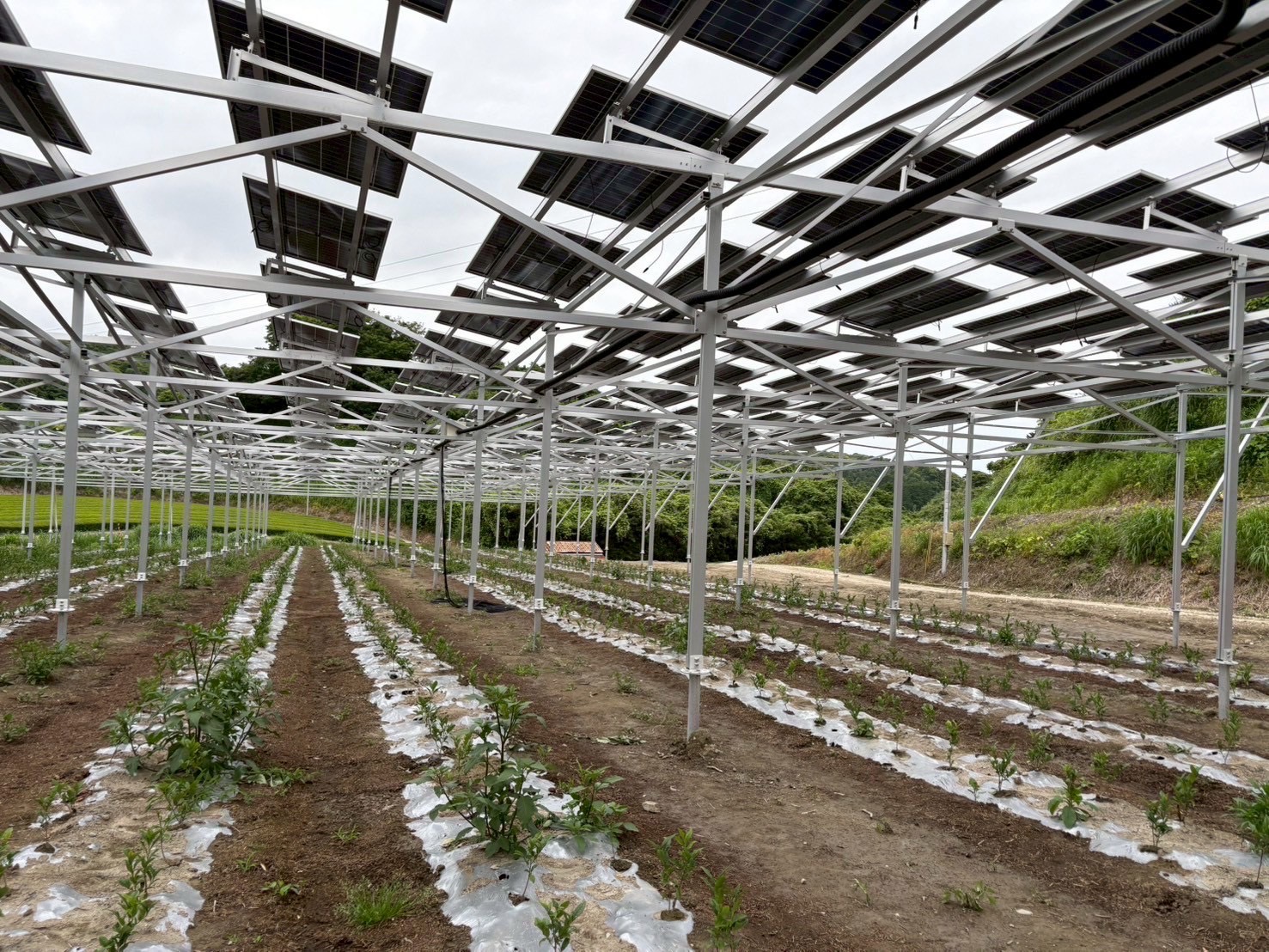
Solar Farm Mounting Systems
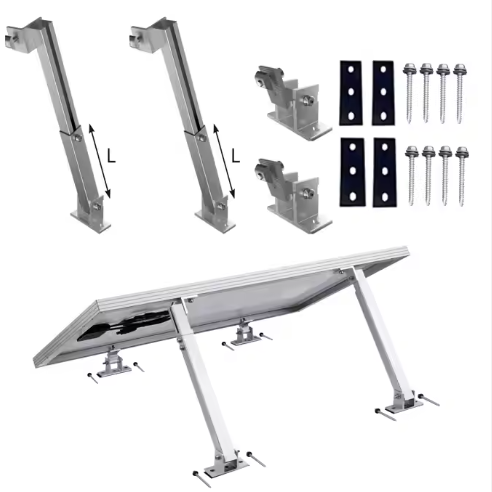
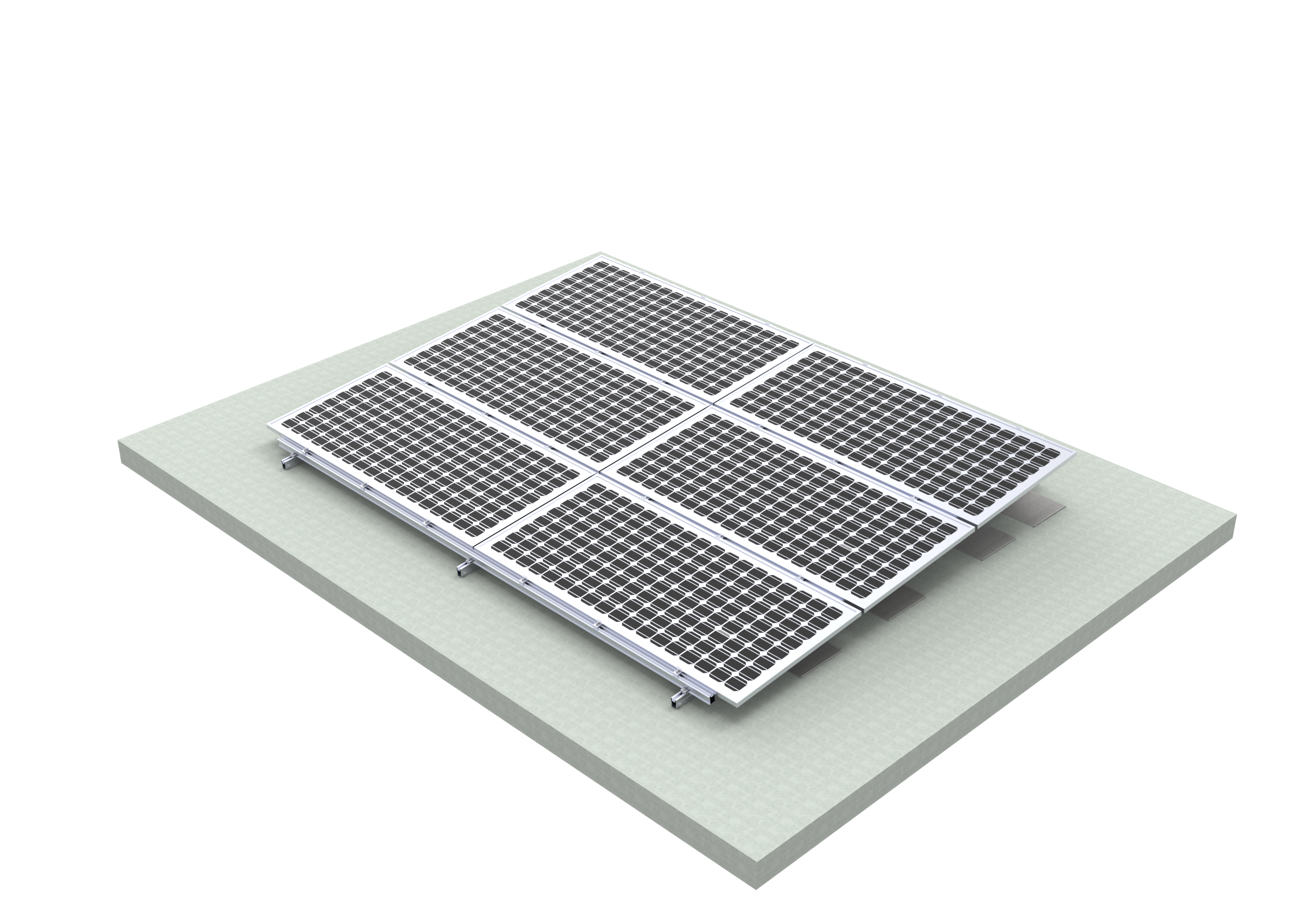
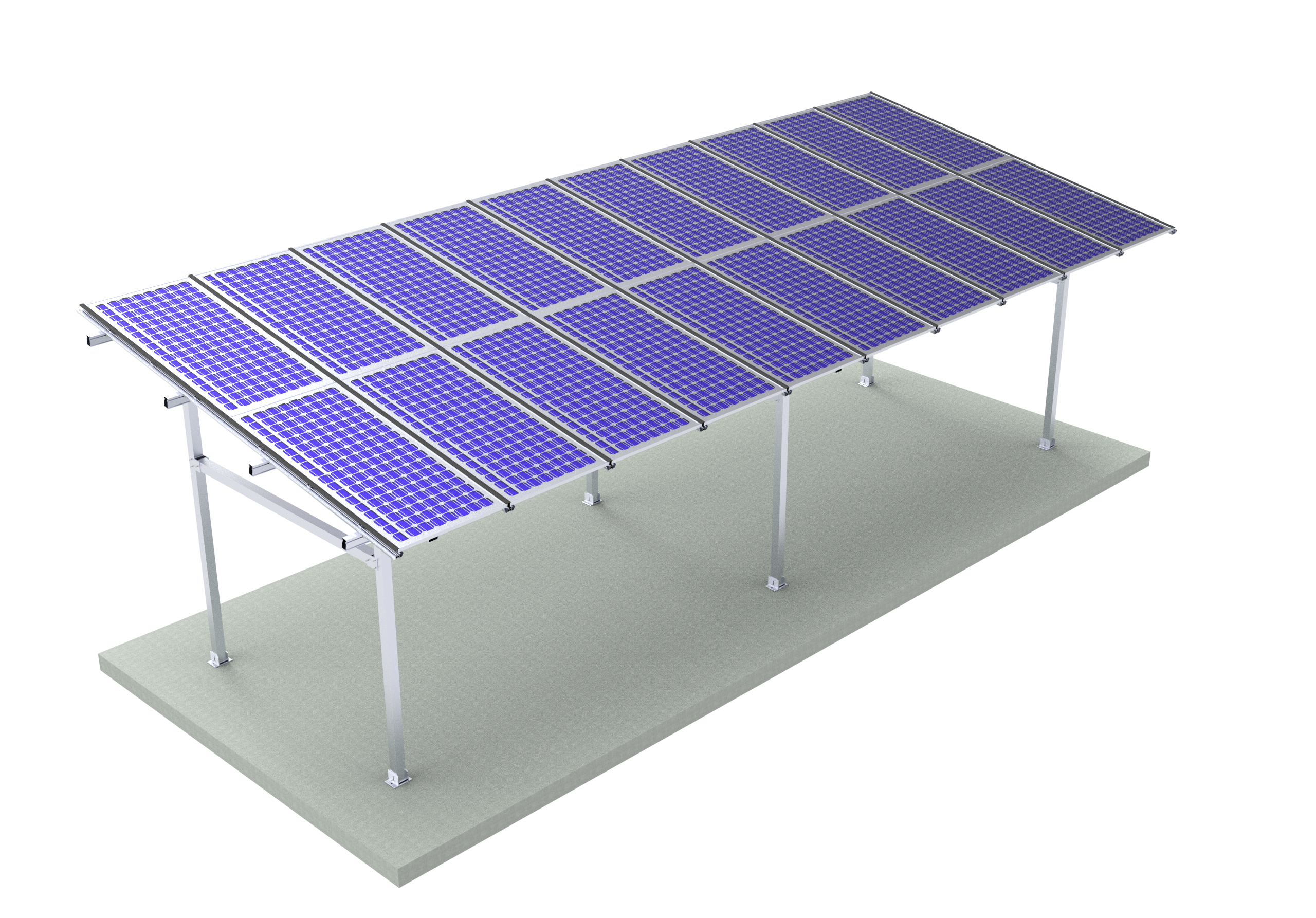
Arrays are mounted at a fixed, optimal angle to maximize annual energy production for a given location. The tilt angle is typically set equal to the site's latitude.
Advantages: Lowest cost, simplest design, minimal maintenance, and high structural reliability.
Best For: Large-scale projects in regions with stable electricity pricing (no time-of-use incentives) or where land is inexpensive.
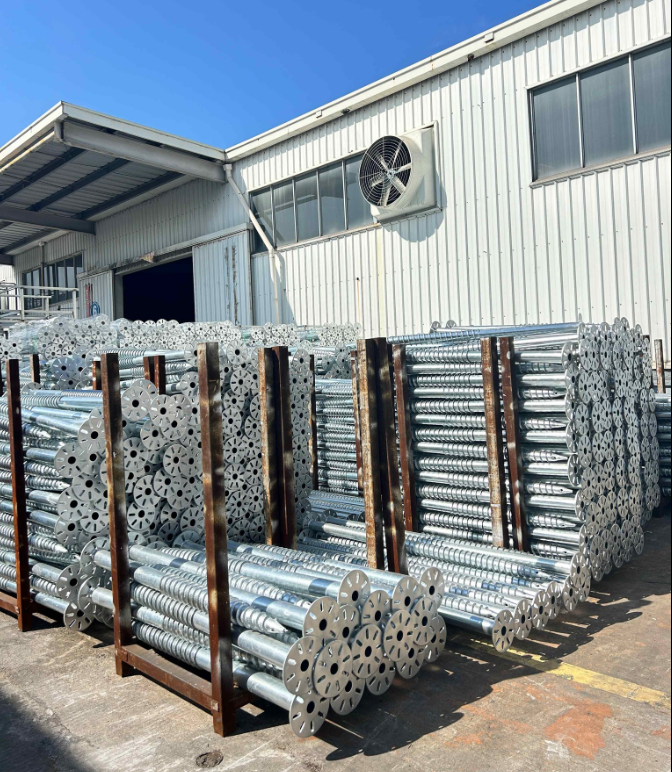
Ground Screw (Helical Pile): Screwed into the earth. Fast installation, minimal site disturbance, reusable.
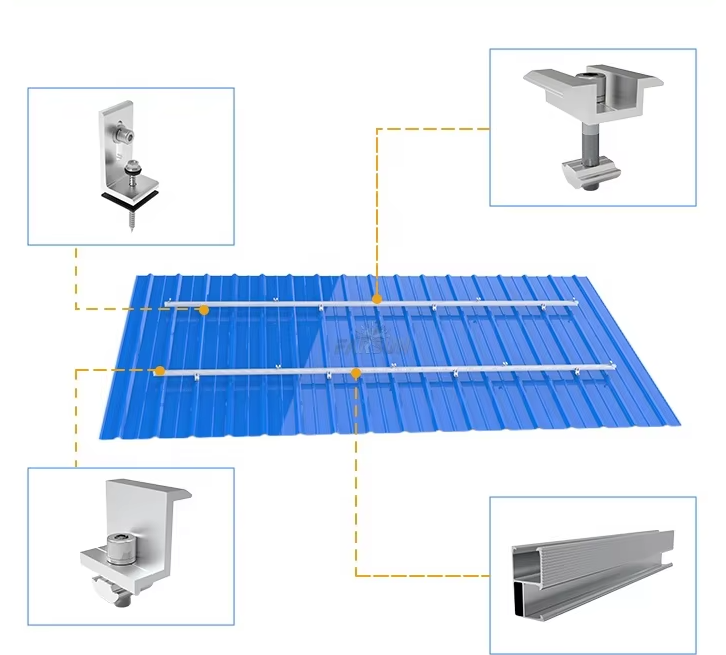
Rails: Long, horizontal members (usually aluminum or steel) that directly support and secure the PV modules. They must resist bending under wind and snow loads.
Clamps: Attach the modules to the rails. Include mid-clamps (between modules) and end-clamps. Must allow for thermal expansion and be compatible with module frame profiles.
Wind Load: The dominant design force. Requires analysis per local building codes (e.g., ASCE 7) and often wind tunnel testing for trackers.
Snow Load is also critical in colder climates.
Soil & Geotech: Determines foundation type, depth, and spacing. Corrosive soils require protective coatings.
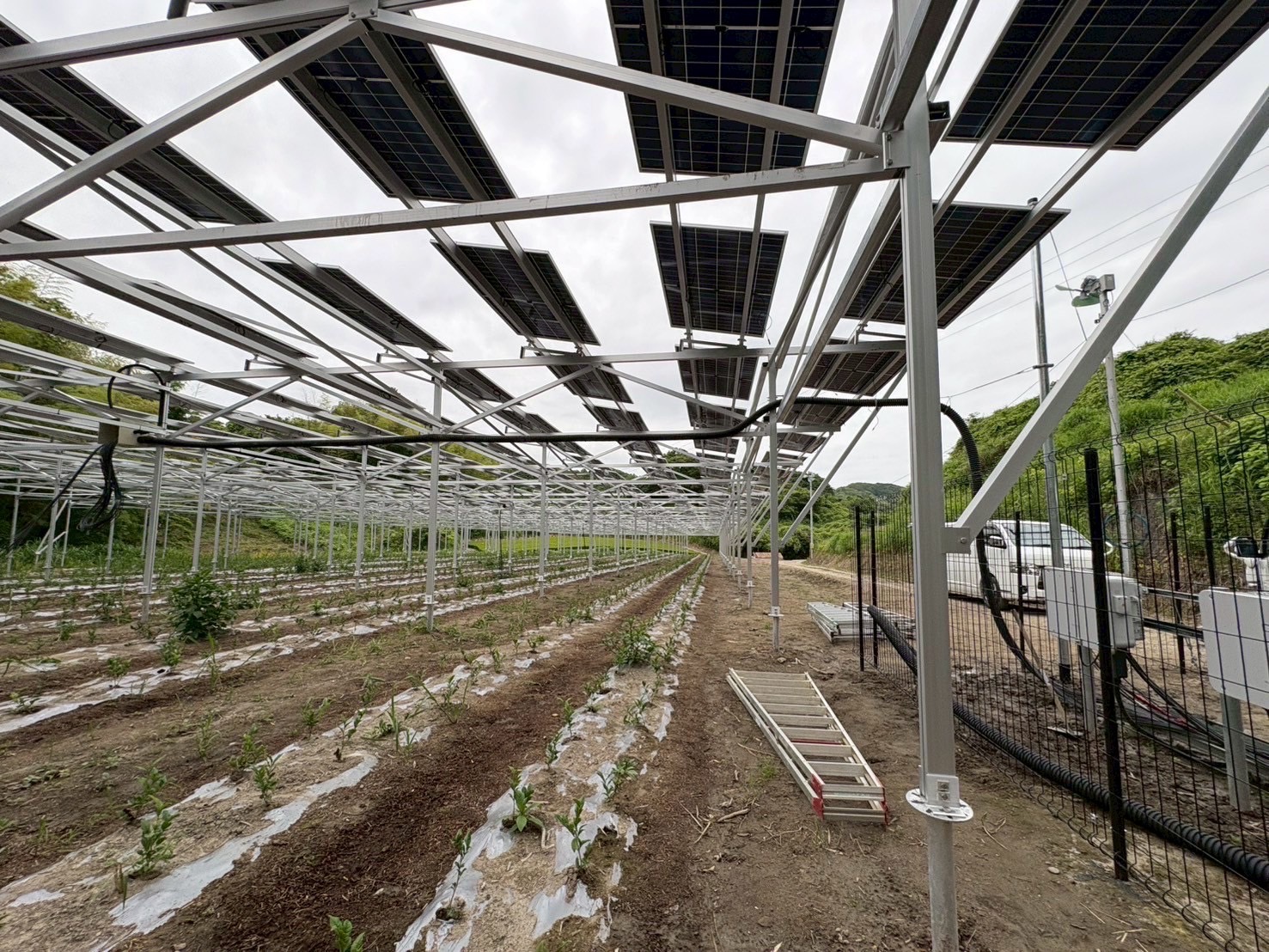
In summary, selecting a solar mounting structure is a complex optimization problem balancing energy yield, capital cost, operational cost, site constraints, and long-term reliability. The industry is moving towards more dynamic systems (single-axis tracking) as their cost premium decreases, but robust, well-engineered fixed-tilt systems remain a cornerstone for many projects worldwide.