
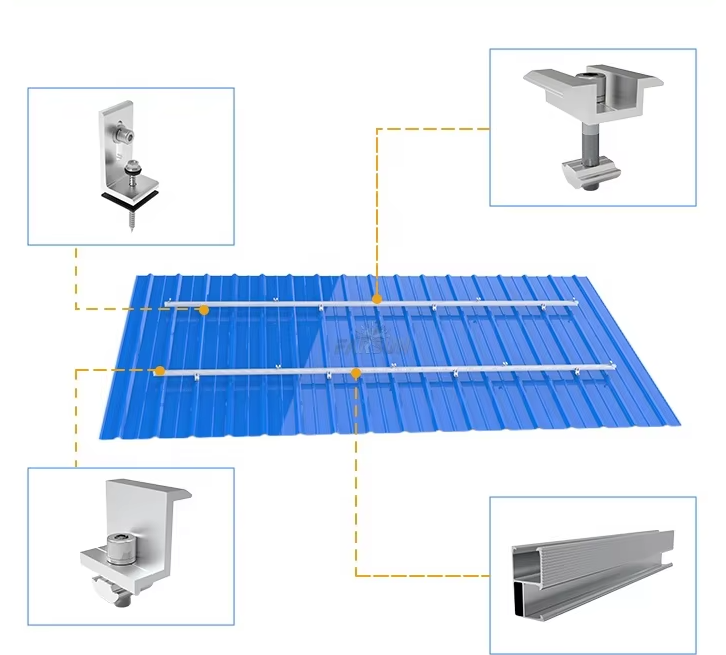

Soundproof guardrail also known as noise barriers or acoustic fences
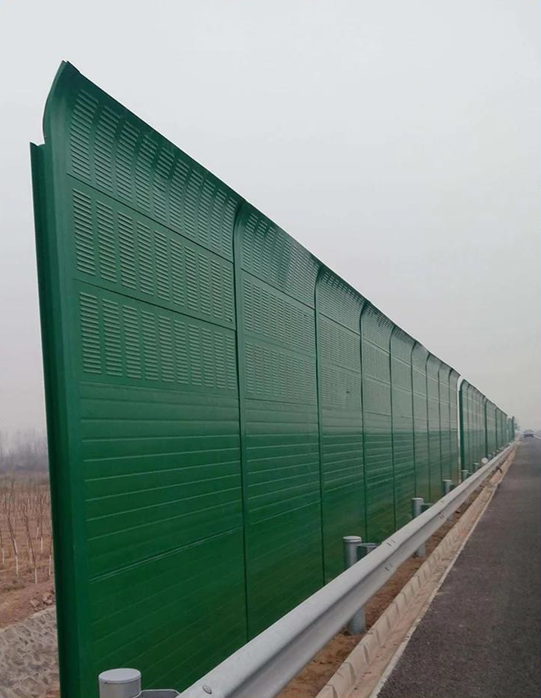
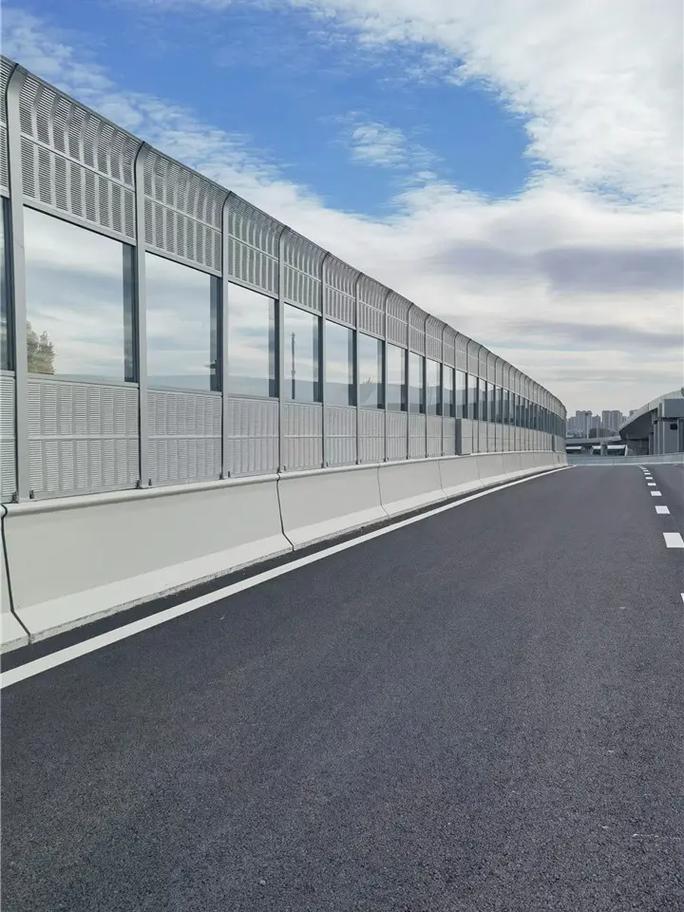
How They Work: The Science of Noise Reduction
The performance of a soundproof guardrail depends on three key mechanisms:
Mass Law (Reflection): This is the most important principle. The heavier and denser a material is, the better it is at blocking sound. Thick, massive materials like concrete prevent sound waves from vibrating through the barrier.
Absorption: Porous materials (like mineral wool or acoustic foam) are added to the barrier's surface facing the noise source. They convert sound energy into negligible heat energy through friction within their pores, reducing the amount of sound that is reflected back or diffracted.
Diffraction: Sound waves bend over the top and around the edges of a barrier. This creates a "shadow zone" behind the barrier where noise levels are lower. The effectiveness is greatest when:
The barrier is as high as possible.
The barrier is as close as possible to either the source or the receiver
The barrier is continuous (no gaps).
Common Types and Materials of Soundproof Guardrails
The choice of material is a balance between cost, effectiveness, durability, and aesthetics.
These combine mass with absorptive material.
Natural/Earth Berm Barriers
Noise Source Characterization: What is the frequency and volume of the noise? (e.g., low-frequency rumble from trucks vs. high-frequency noise from cars).
Barrier Height and Length: The height is the single most important factor. The barrier must be high enough to create an acoustic shadow over the protected area. It must also be long enough to prevent noise from "flanking" around the ends.
Placement: The closer the barrier is to the source or the receiver, the more effective it is.
Aesthetics and Community Acceptance: Barriers can be visually intrusive.
Structural Integrity and Safety: Must withstand wind loads and, if near a road, meet safety standards for vehicle impact (i.e., they should not pose a greater danger to motorists).
Maintenance: Considerations for cleaning (especially transparent barriers), inspecting for damage, and ensuring seals remain intact.
Advanced and Emerging Trends
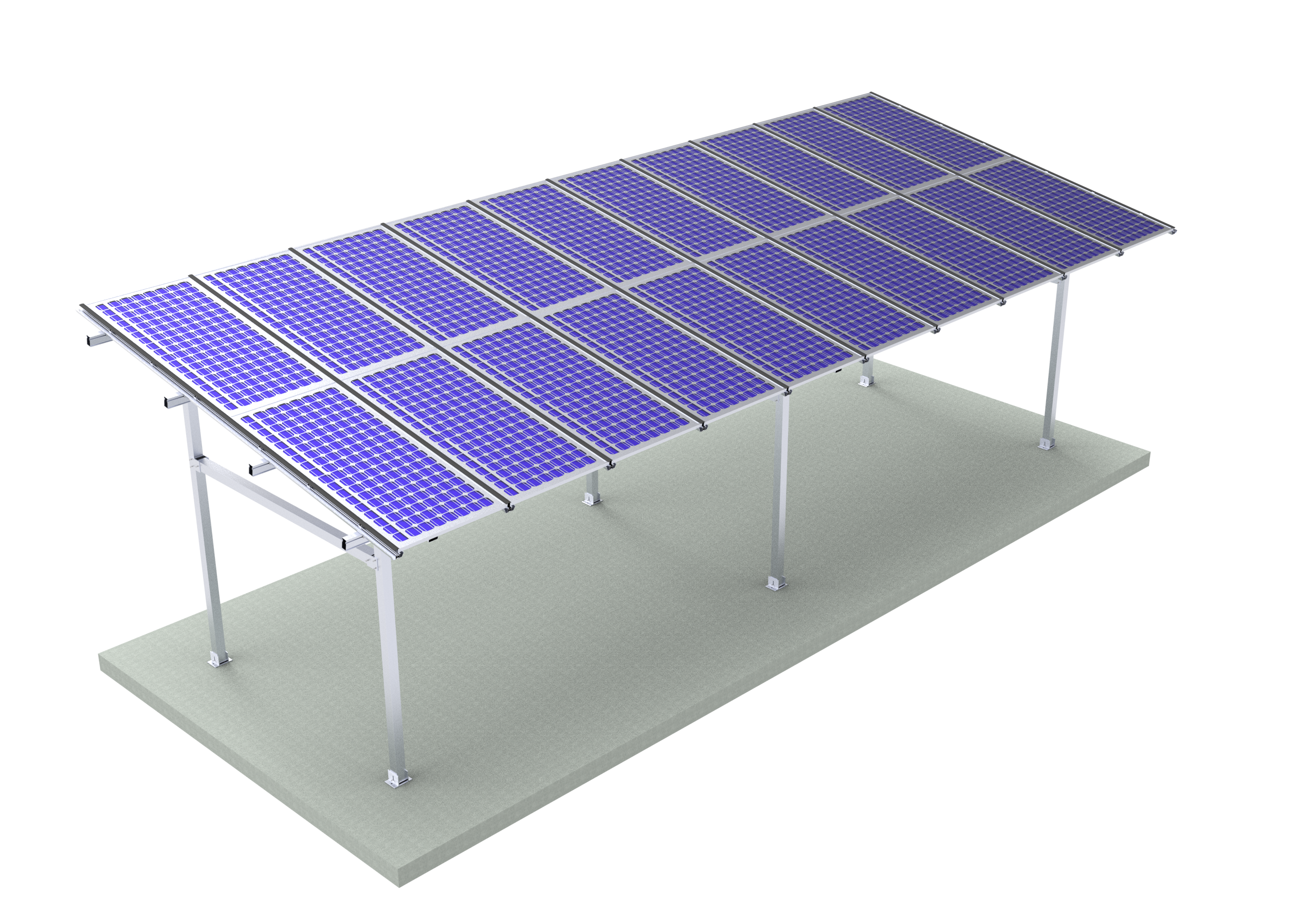
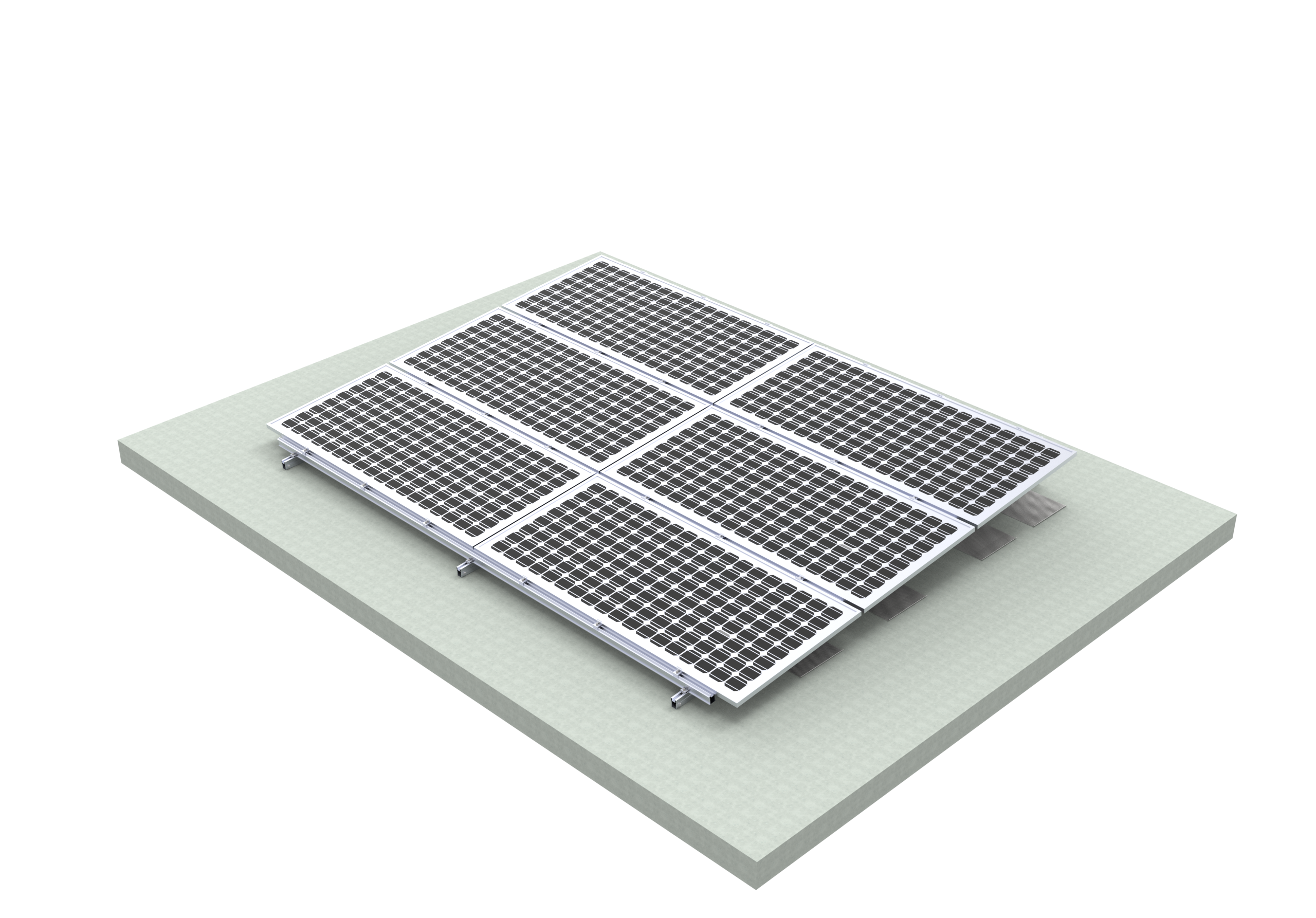
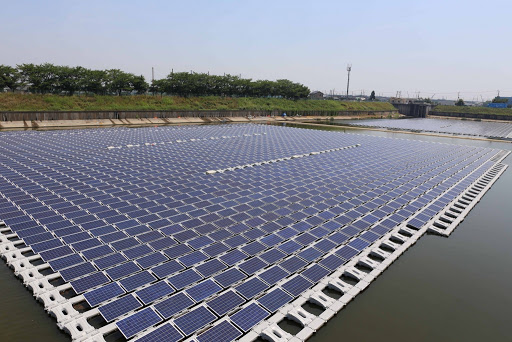
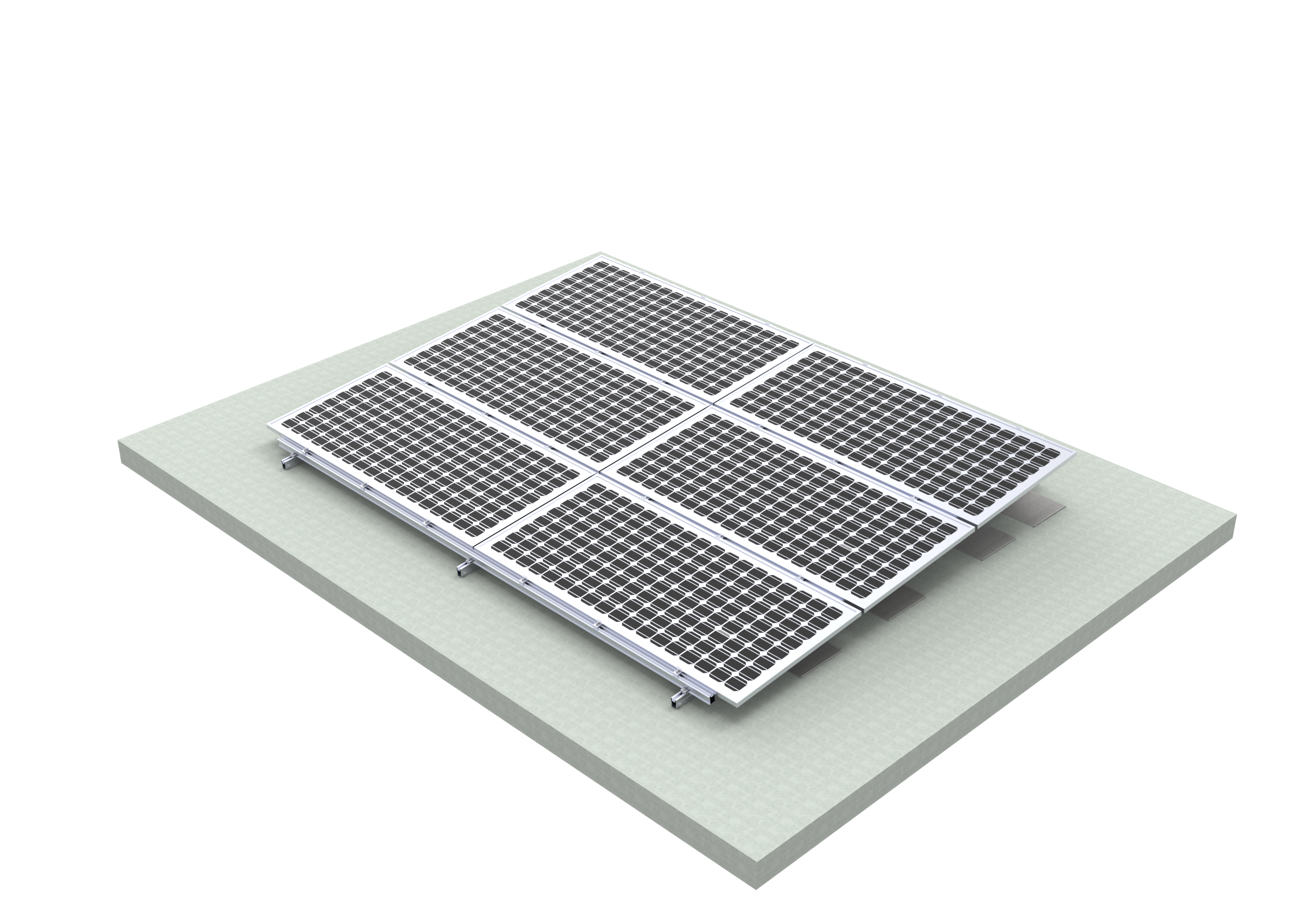
Hybrid Solar Noise Barriers (SONOBs): Integrating solar panels directly into the noise barrier structure. This dual-function infrastructure generates clean energy while mitigating noise pollution. This is a rapidly growing application, especially in Europe.
Active Noise Cancellation (ANC): An experimental technology where microphones pick up incoming noise and speakers emit an "anti-noise" signal to cancel it out. Currently, it's more feasible for enclosed spaces but is being explored for specific barrier applications.
Noise Paths Diagram
(Side-View Cross-Section)
| ↗ Diffraction
| (Over the top)
|
|
============( Road )=============( Noise Source )===============
|
| → Direct Path (BLOCKED)
|
┌──────────────────────────────────────────────────────────────┐
│ █ NOISE BARRIER █ │
│ ████████████████ │
└──────────────────────────────────────────────────────────────┘
|
| → Reflected Path (Back to source)
|
| ✔ Protected "Acoustic Shadow"
| (Area of noise reduction)
|
|
---------------------|---------------------------------------
| Sensitive Area
| (Houses, Schools)
|
Conclusion
Soundproof guardrails are a critical tool in urban planning and environmental engineering for managing noise pollution from essential infrastructure. The trend is moving away from simple, massive walls toward multifunctional, aesthetically integrated systems that provide not just noise reduction, but also energy generation (solar) and visual appeal. Their design is a sophisticated interplay of acoustical science, structural engineering, and landscape architecture.